Introduction: The Green Revolution in Logistics
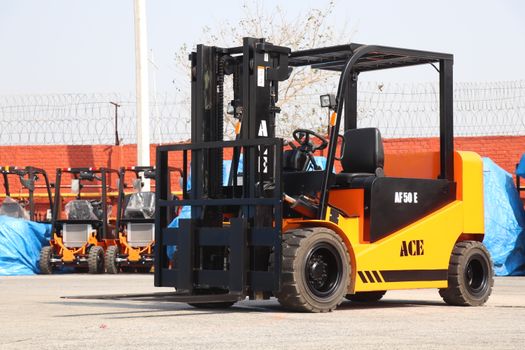
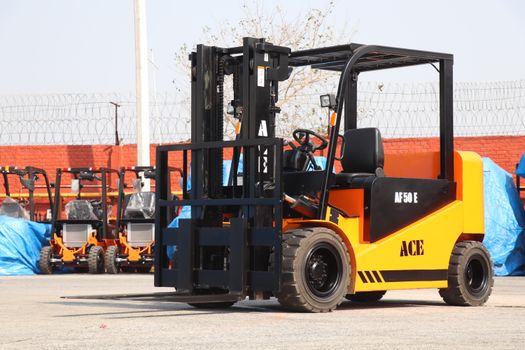
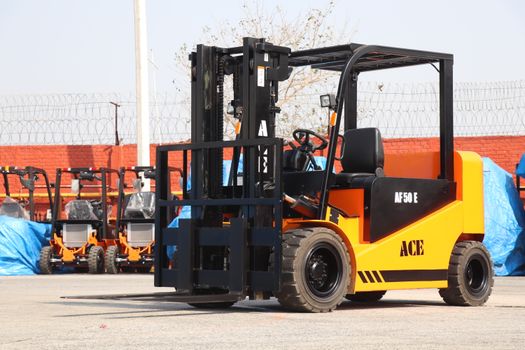
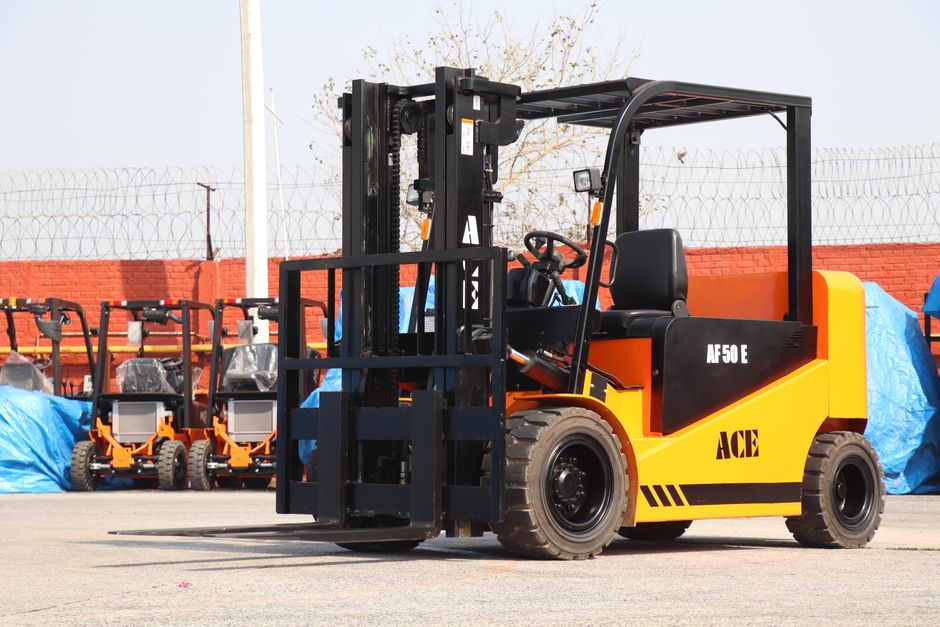
The logistics industry is under increasing pressure to reduce its environmental impact. As one of the largest contributors to global carbon emissions, the sector must adopt sustainable practices. Electric forklifts have emerged as a key solution, offering a cleaner alternative to traditional internal combustion engine (ICE) models. This guide explores how electric forklifts help reduce carbon footprints in logistics, providing practical insights for businesses looking to transition to greener operations.
Understanding Carbon Footprint in Logistics
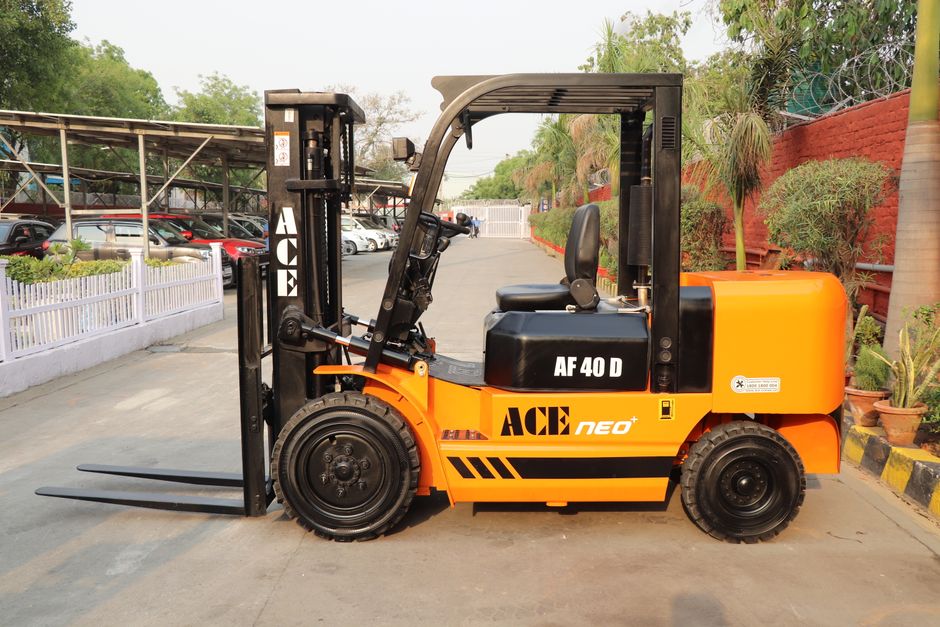
A carbon footprint measures the total greenhouse gas emissions caused directly or indirectly by an activity. In logistics, this includes emissions from warehouse equipment, transportation, and energy use. Forklifts, especially those powered by diesel or LPG, contribute significantly due to their frequent use and high fuel consumption. By switching to electric models, companies can dramatically lower their emissions.
Key Sources of Emissions in Forklift Operations
- Fuel combustion: Diesel and LPG forklifts emit CO2, NOx, and particulate matter.
- Energy production: Even electric forklifts have upstream emissions if powered by fossil fuels, but these are lower than direct emissions from ICE.
- Maintenance: ICE forklifts require more frequent oil changes and filter replacements, generating waste.
How Electric Forklifts Reduce Emissions
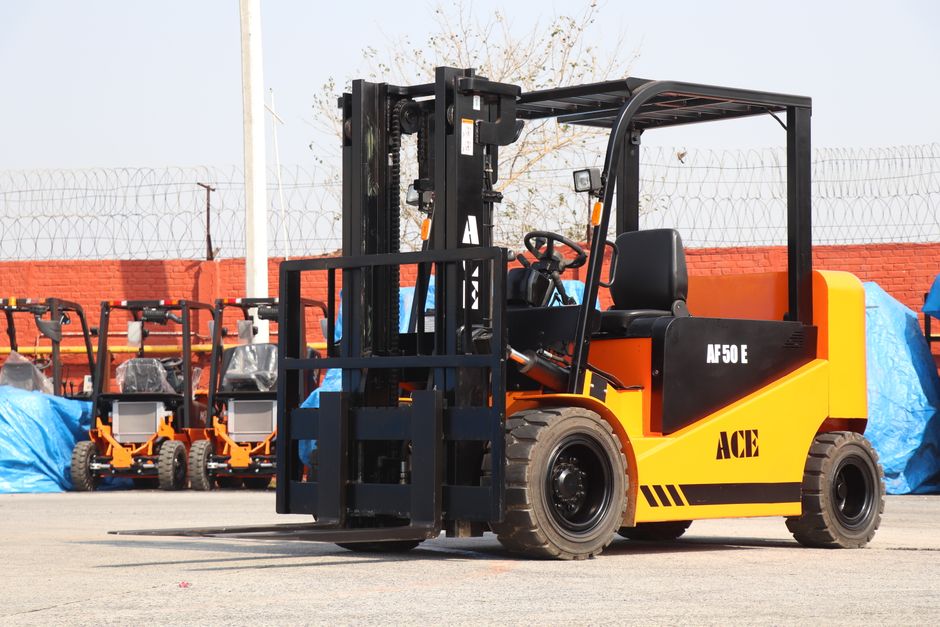
Electric forklifts produce zero tailpipe emissions, meaning no CO2 or harmful pollutants are released during operation. When charged with renewable energy, their lifecycle emissions can be near zero. Additionally, they are more energy-efficient, converting up to 90% of electrical energy into motion, compared to 30-40% for ICE forklifts.
Comparing Electric vs. ICE Forklift Emissions
| Forklift Type | Tailpipe CO2 (kg/hour) | Energy Efficiency | Lifetime Emissions (tons CO2e) |
|---|---|---|---|
| Electric (grid average) | 0 | ~90% | ~45 |
| Electric (renewable) | 0 | ~90% | ~5 |
| Diesel | ~12 | ~35% | ~120 |
| LPG | ~10 | ~40% | ~100 |
Data based on average usage of 1,500 hours/year over 10 years.
Practical Tips for Maximizing Carbon Reduction
Transitioning to electric forklifts is a major step, but optimizing their use can further cut emissions.
1. Choose the Right Battery Technology
Lithium-ion batteries are more efficient than lead-acid, with faster charging and longer lifespan. They also eliminate the need for battery watering and reduce energy waste during charging.
2. Implement Smart Charging Practices
Charge during off-peak hours when grid electricity is cleaner (often from renewable sources) and cheaper. Use opportunity charging during breaks to avoid deep discharges.
3. Regular Maintenance
Keep electric motors and batteries in top condition. Properly inflated tires and clean components reduce energy consumption.
4. Train Operators
Efficient driving techniques, such as smooth acceleration and regenerative braking, can extend battery life and reduce energy use.
The Role of Renewable Energy
Pairing electric forklifts with on-site solar panels or purchasing renewable energy certificates can virtually eliminate operational carbon emissions. Many logistics companies are now installing solar canopies over charging stations, creating a closed-loop system.
Cost Savings and ROI
While electric forklifts have a higher upfront cost, they offer lower operating expenses. Fuel costs are reduced by 50-70%, and maintenance costs by 30-50%. Over a 10-year lifespan, total cost of ownership (TCO) is often lower than ICE models. Additionally, many governments offer tax incentives for adopting green equipment.
Case Study: Green Logistics in Action
ABC Logistics, a mid-sized warehouse operator, replaced its fleet of 20 diesel forklifts with electric models. They also installed solar panels to power the charging stations. Results after one year:
- Carbon emissions reduced by 95% (from 240 to 12 tons CO2e/year)
- Energy costs dropped by 60%
- Maintenance costs halved
- Employee satisfaction improved due to quieter, fume-free operation
Conclusion: Future-Proof Your Logistics
Electric forklifts are a proven way to reduce carbon footprint while improving operational efficiency. As regulations tighten and customers demand sustainability, making the switch is not just environmentally responsible but also a smart business move. Start by auditing your current fleet, calculate potential savings, and explore incentives. The road to green logistics begins with a single electric forklift.