Introduction
In the rapidly evolving world of material handling, the shift toward sustainable energy sources is transforming the forklift industry. For B2B buyers, choosing between new energy (electric battery) forklifts and hydrogen fuel cell forklifts is a critical decision that impacts operational efficiency, total cost of ownership, and environmental compliance. This article provides an in-depth comparison to help you make an informed choice.
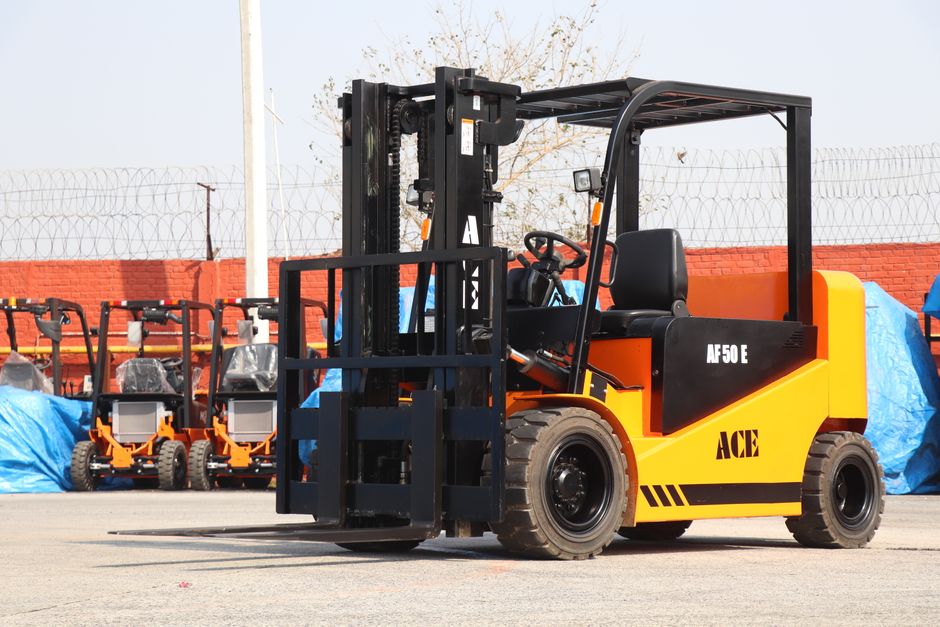
Overview of New Energy Forklifts
New energy forklifts, primarily powered by lithium-ion batteries, have gained significant traction due to their high energy density, fast charging capabilities, and low maintenance requirements. These forklifts are ideal for indoor applications where zero emissions and quiet operation are paramount.
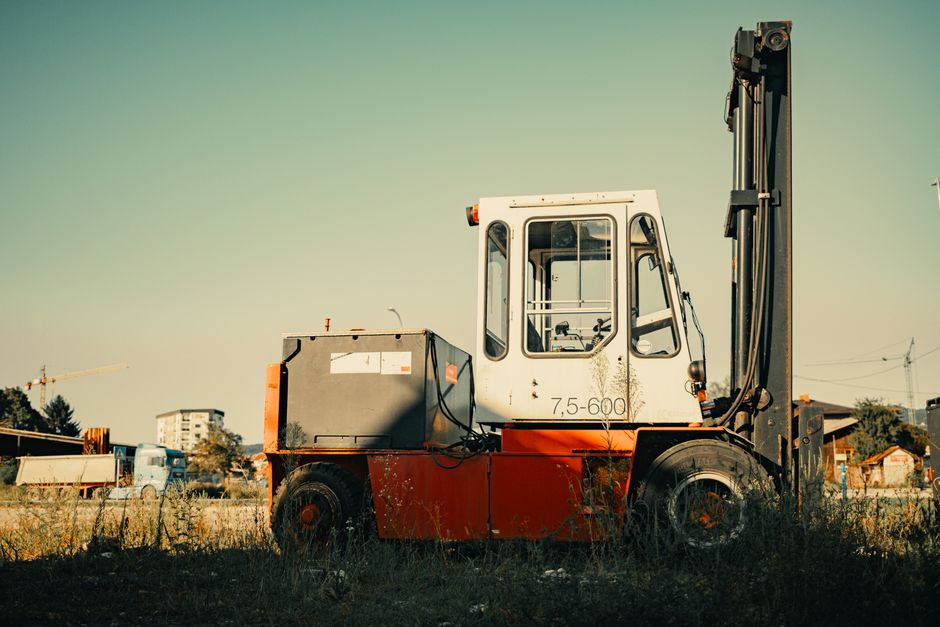
Overview of Hydrogen Fuel Cell Forklifts
Hydrogen fuel cell forklifts generate electricity through a chemical reaction between hydrogen and oxygen, producing only water vapor as a byproduct. They offer rapid refueling (similar to propane) and consistent power output, making them suitable for heavy-duty, multi-shift operations.
Key Comparison Table
| Feature | New Energy (Lithium-Ion) | Hydrogen Fuel Cell |
|---|---|---|
| Energy Source | Electricity (grid or renewable) | Compressed hydrogen gas |
| Refueling/Charging Time | 1-2 hours (fast charge) or 4-6 hours (standard) | 3-5 minutes |
| Emissions | Zero (if renewable energy used) | Zero (water vapor only) |
| Energy Density | Moderate | High (longer runtime) |
| Infrastructure Cost | Low (standard electrical outlets) | High (hydrogen production, storage, dispensing) |
| Maintenance | Low (no engine, fewer moving parts) | Moderate (fuel cell stack replacement, hydrogen system) |
| Lifespan | 2,000-4,000 cycles (battery) | 10,000-20,000 hours (fuel cell stack) |
| Initial Purchase Cost | Lower | Higher (due to fuel cell system) |
| Total Cost of Ownership (5 years) | $45,000 - $60,000 (for a 3-ton forklift) | $55,000 - $75,000 (including hydrogen cost) |
| Best Use Case | Indoor, single-shift, light to medium duty | Outdoor/indoor, multi-shift, heavy duty |
Detailed Analysis
Energy Efficiency
Lithium-ion batteries have an energy efficiency of about 85-95%, while hydrogen fuel cells are around 40-60% when considering the entire well-to-wheel cycle. This means new energy forklifts consume less primary energy per unit of work.
Operational Flexibility
Hydrogen fuel cells excel in applications requiring continuous operation. Refueling takes minutes, enabling 24/7 uptime. In contrast, lithium-ion batteries require charging breaks, though opportunity charging during breaks can mitigate downtime.
Environmental Impact
Both technologies produce zero emissions at the point of use. However, the environmental benefit depends on how the electricity or hydrogen is produced. If renewable energy is used, both are carbon-neutral. Hydrogen production from natural gas (steam methane reforming) has a carbon footprint, whereas green hydrogen (from electrolysis using renewables) is clean but currently expensive.
Infrastructure Considerations
New energy forklifts require charging stations, which are relatively inexpensive and easy to install. Hydrogen fuel cell forklifts need a hydrogen refueling station, which can cost $1-2 million or more, plus ongoing hydrogen supply logistics. For most small to medium warehouses, the infrastructure cost of hydrogen is prohibitive.
Recommendation
For the majority of B2B operations, new energy (lithium-ion) forklifts are the recommended choice due to lower upfront cost, simpler infrastructure, and excellent total cost of ownership. They are ideal for warehouses, distribution centers, and manufacturing facilities with standard shift patterns. However, if your operation runs multiple shifts, requires maximum uptime, and has access to hydrogen infrastructure, hydrogen fuel cell forklifts can be a viable alternative. We advise conducting a detailed ROI analysis based on your specific shift patterns, energy costs, and facility layout.
Conclusion
Both new energy and hydrogen fuel cell forklifts represent the future of sustainable material handling. The decision ultimately hinges on your operational needs and infrastructure capabilities. As a leading manufacturer, we offer both options to suit your requirements. Contact our team for a personalized consultation and quote.