Introduction
As the logistics industry shifts toward sustainability, new energy forklifts—powered by lithium-ion batteries or hydrogen fuel cells—are becoming the backbone of modern warehouses and distribution centers. However, with advanced power systems come unique safety challenges. This comprehensive guide explores the critical safety features and standards that ensure these machines operate reliably, protect operators, and comply with international regulations. Whether you're a fleet manager, safety officer, or procurement specialist, understanding these elements is essential for risk mitigation and operational excellence.
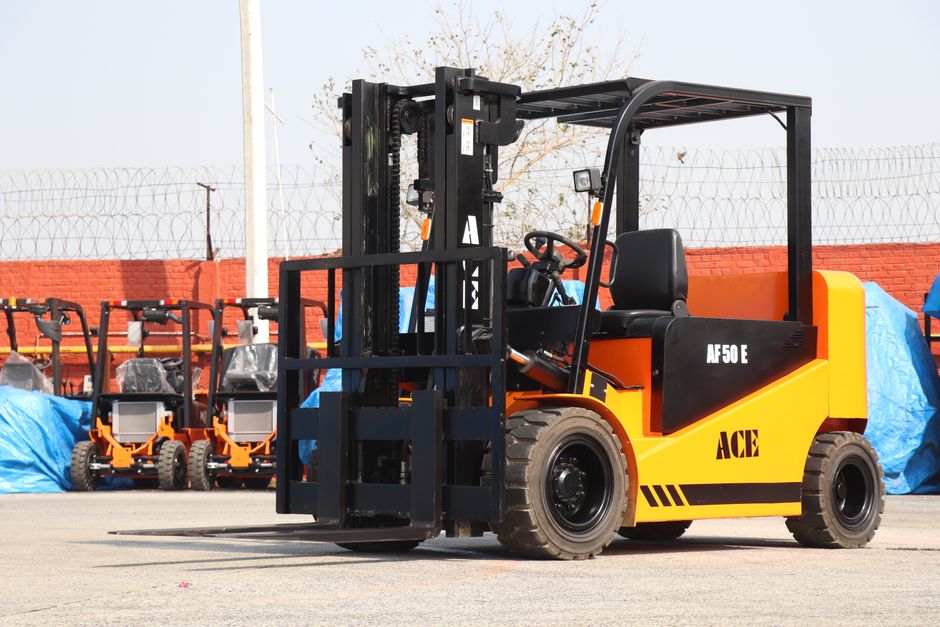
Key Safety Features of New Energy Forklifts
1. Battery Management Systems (BMS)
The BMS is the brain of the battery pack. It monitors voltage, temperature, and state of charge to prevent overcharging, deep discharge, and thermal runaway. Modern BMS also balance cell voltages and provide real-time diagnostics via CAN bus interfaces. For lithium-ion batteries, a robust BMS is mandatory to avoid fires and extend battery life.
2. Thermal Runaway Prevention
New energy forklifts incorporate passive and active thermal management. Passive measures include heat-resistant separators and phase-change materials. Active systems use liquid cooling or forced air to maintain optimal temperature ranges. Some advanced models feature automatic shutdown if temperature exceeds safe thresholds.
3. Insulation Monitoring Devices (IMD)
IMDs continuously check the insulation resistance between high-voltage circuits and the chassis. If resistance drops below a set value (typically 500 Ω/V), the system triggers an alarm or disconnects the battery to prevent electric shock.
4. Emergency Stop and Disconnect
All new energy forklifts must have a clearly marked emergency stop button that cuts power to the motor and auxiliary systems. Additionally, a manual service disconnect allows technicians to isolate the battery pack during maintenance.
5. Operator Presence Detection
Seat switches or pressure sensors ensure the forklift only operates when the operator is seated. Some models also include a deadman pedal that must be depressed for the truck to move, preventing runaway incidents.
6. Load Handling Safety
Hydraulic systems are equipped with overload protection valves, load moment indicators, and automatic fork leveling. Regenerative braking systems recover energy while providing controlled deceleration, reducing wear on mechanical brakes.
7. Visibility and Lighting
LED work lights, strobe beacons, and rear-view cameras improve visibility in dimly lit warehouses. Blue safety lights project a spot on the floor ahead of the forklift to alert pedestrians.
International Safety Standards for New Energy Forklifts
| Standard | Region | Key Requirements |
|---|---|---|
| EN 1175 | Europe | Safety of industrial trucks – Electrical requirements; covers battery connectors, insulation, and emergency disconnects. |
| ISO 3691-1 | International | General safety requirements for powered industrial trucks; includes stability, braking, and control systems. |
| UL 2580 | USA | Standard for batteries for use in electric vehicles; tests for short circuit, overcharge, and crush resistance. |
| UN ECE R100 | UN/ECE | Safety of electric powertrains; covers protection against electric shock and thermal events. |
| GB/T 36980 | China | Safety technical specifications for electric forklifts; includes lithium battery safety requirements. |
Charging Safety Protocols
Designated Charging Areas
Charging must occur in well-ventilated, dry areas away from combustible materials. Fire extinguishers rated for electrical fires (Class C) should be nearby. The charging station should have spill containment for electrolyte leaks.
Connector and Cable Management
Use only manufacturer-approved charging cables and connectors. Inspect for damage before each use. Automatic shutoff when charging is complete prevents overcharging. Some systems require the forklift key to be off during charging.
Battery Handling
Lithium-ion batteries are heavy; use mechanical aids to move them. Never stack batteries without proper racks. Follow manufacturer guidelines for storage temperature and state of charge (typically 30-50% for long-term storage).
Operator Training and Best Practices
Training Programs
Operators must be trained on the specific model they use, covering emergency procedures, charging protocols, and load handling. Certification should be renewed every three years or when new equipment is introduced.
Pre-Operation Checks
Daily inspections should include: tire condition, fluid levels (if applicable), battery charge level, horn, lights, brakes, and safety interlocks. Any defect must be reported immediately.
Safe Operation Tips
- Always wear seat belts (where equipped).
- Never exceed the rated load capacity.
- Travel with the load lowered to 4-6 inches above ground.
- Slow down on wet or uneven surfaces.
- Use horn at blind corners and intersections.
Maintenance and Inspection Guidelines
Battery Maintenance
For lithium-ion: avoid full discharges; maintain firmware updates for BMS; clean terminals with a dry cloth. For lead-acid (older models): check water levels weekly; neutralize acid spills with baking soda.
Electrical System Checks
Inspect high-voltage cables for abrasion or cuts. Verify insulation resistance quarterly. Test emergency disconnect monthly.
Record Keeping
Maintain logs of all inspections, repairs, and battery cycles. This data helps predict failures and comply with audit requirements.
Future Trends in Forklift Safety
Emerging technologies include AI-based collision avoidance, telematics for remote monitoring of battery health, and hydrogen fuel cell systems with leak detection sensors. As automation expands, safety standards will evolve to cover human-robot interaction and cybersecurity.
Conclusion
Investing in new energy forklifts with comprehensive safety features and adhering to international standards is not just about compliance—it's about protecting your workforce and assets. By understanding the technology and implementing rigorous training and maintenance protocols, businesses can fully leverage the benefits of green logistics while minimizing risk. Stay informed about updates to standards and emerging safety innovations to maintain a competitive edge.