1. Enhanced Energy Efficiency and Cost Savings
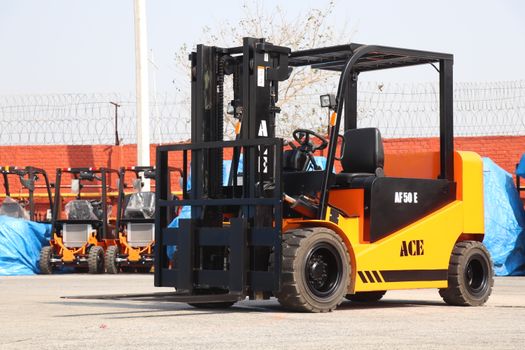
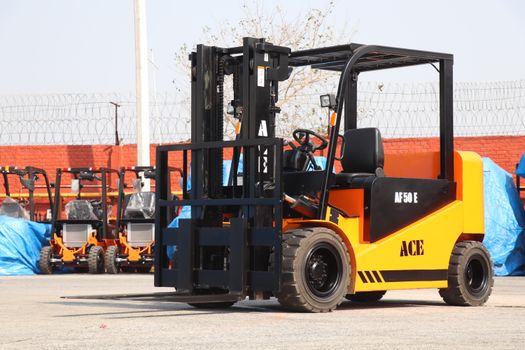
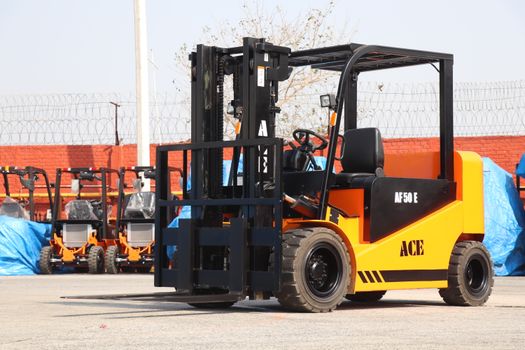
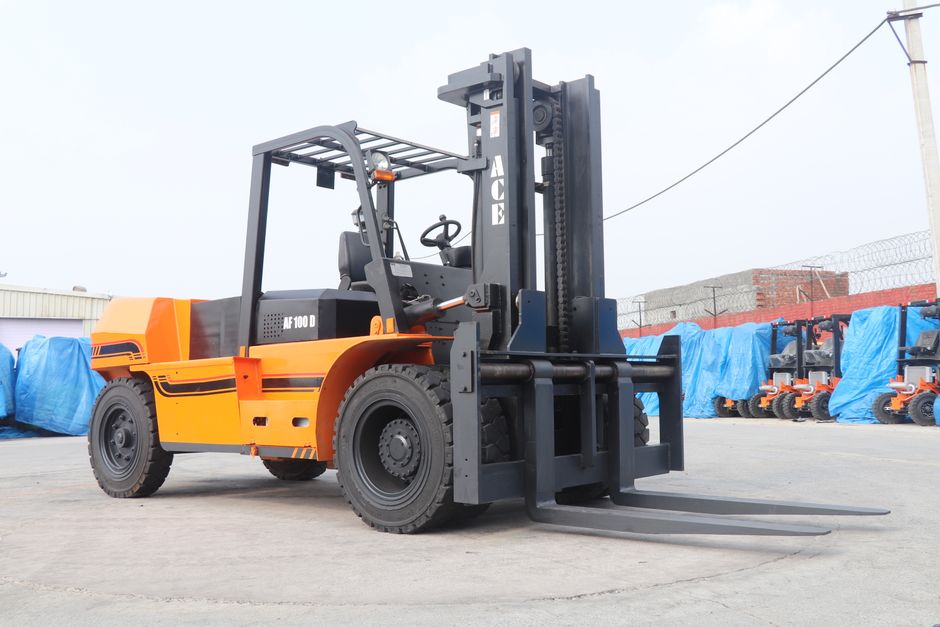
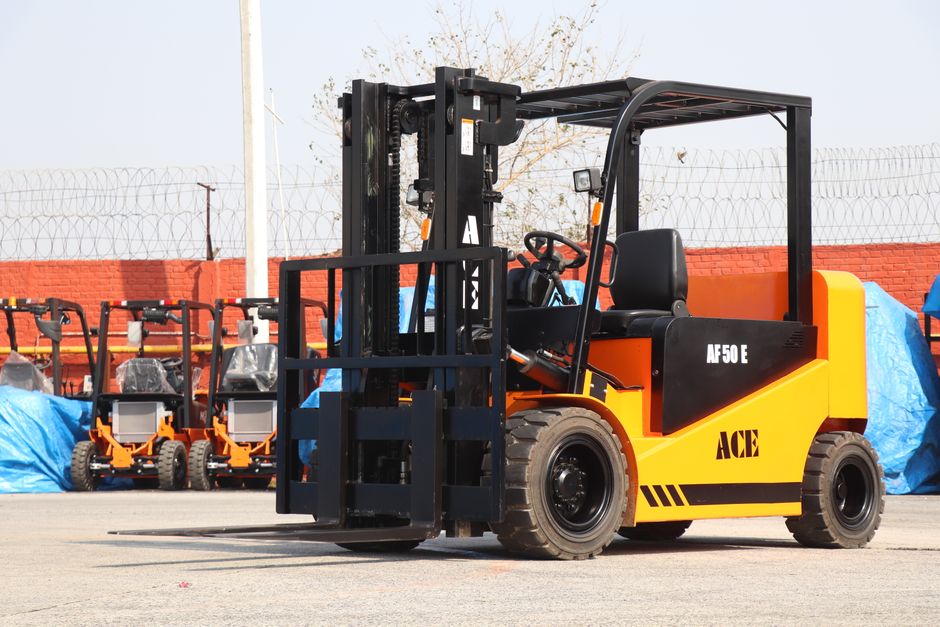
New energy logistics forklifts, primarily powered by lithium batteries or hydrogen fuel cells, offer significantly higher energy efficiency compared to traditional internal combustion (IC) forklifts. Electric drivetrains convert over 90% of stored energy into motion, whereas IC engines waste a large portion as heat. This translates directly into lower operating costs—electricity costs are typically 30-50% less than diesel or LPG per hour of operation.
Additionally, these forklifts require less frequent maintenance because they have fewer moving parts. No oil changes, spark plugs, or exhaust systems mean reduced downtime and lower service expenses. Over a 5-year lifecycle, a fleet of new energy forklifts can save a warehouse or distribution center tens of thousands of dollars in fuel and maintenance costs.
2. Zero Emissions and Improved Indoor Air Quality
One of the most compelling benefits of new energy forklifts is their zero tailpipe emissions. In indoor logistics environments like warehouses, factories, and cold storage facilities, eliminating diesel or LPG exhaust improves air quality dramatically. This reduces health risks for workers, such as respiratory issues and headaches caused by carbon monoxide and nitrogen dioxide.
Moreover, compliance with increasingly strict environmental regulations becomes effortless. Many countries now impose carbon taxes or emission limits on material handling equipment. Adopting new energy forklifts helps B2B buyers meet sustainability goals and avoid penalties, enhancing their corporate social responsibility profile.
3. Lower Noise Levels for Safer Workplaces
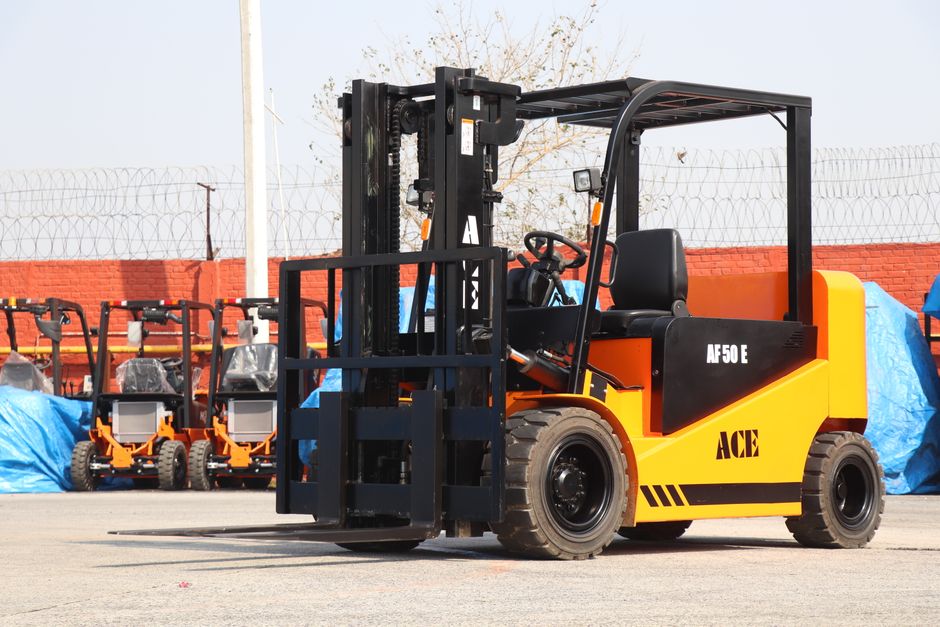
Electric forklifts operate at much lower decibel levels than their IC counterparts. While a diesel forklift can produce 85-90 dB of noise—equivalent to heavy traffic—a new energy forklift typically runs at 60-70 dB. This reduction is critical in 24/7 logistics operations where noise pollution can lead to fatigue, miscommunication, and increased accident risk.
Quieter operation also allows for better verbal communication between drivers and ground personnel, reducing the likelihood of collisions and injuries. In addition, many new energy models feature regenerative braking that further dampens noise during deceleration. For companies that value worker safety and comfort, this is a significant advantage.
4. Superior Performance and Reliability
Modern new energy forklifts are not just eco-friendly; they also deliver outstanding performance. Lithium-ion batteries provide consistent power output throughout the shift, unlike lead-acid batteries that gradually lose voltage. This means full lifting capacity and travel speed from start to finish. Many models also offer fast charging—up to 80% in just one hour—enabling opportunity charging during breaks.
Furthermore, advanced battery management systems (BMS) protect against overcharging, overheating, and deep discharge, extending battery life to 2,000+ cycles. Hydrogen fuel cell forklifts can be refueled in three minutes, rivaling the refueling speed of IC forklifts. This combination of reliability and high uptime makes new energy forklifts ideal for demanding multi-shift operations.
5. Government Incentives and Future-Proofing
Governments worldwide offer generous incentives for adopting green material handling equipment. In the U.S., the Inflation Reduction Act provides tax credits for electric forklifts and charging infrastructure. The EU’s Green Deal includes subsidies for zero-emission machinery. These incentives can reduce the total cost of ownership by 15-30%, making the switch financially attractive.
By investing in new energy logistics forklifts today, B2B buyers future-proof their operations against rising carbon taxes and potential bans on IC engines. As global supply chains increasingly demand sustainable practices, having a green fleet becomes a competitive differentiator. Early adopters also gain access to newer technologies like telematics and IoT integration, which optimize fleet management and energy usage.