Introduction
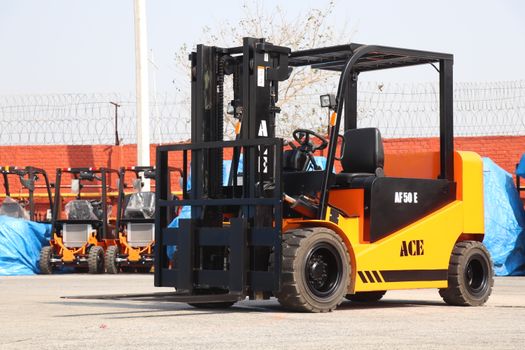
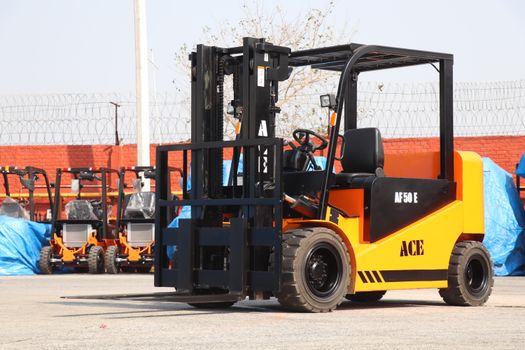
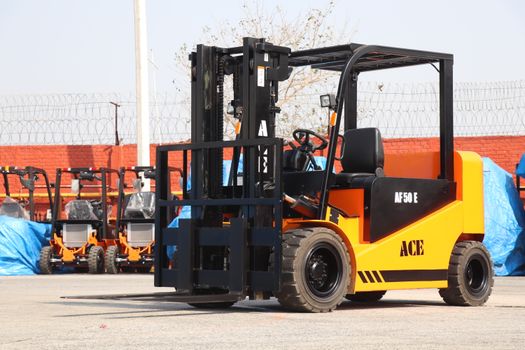
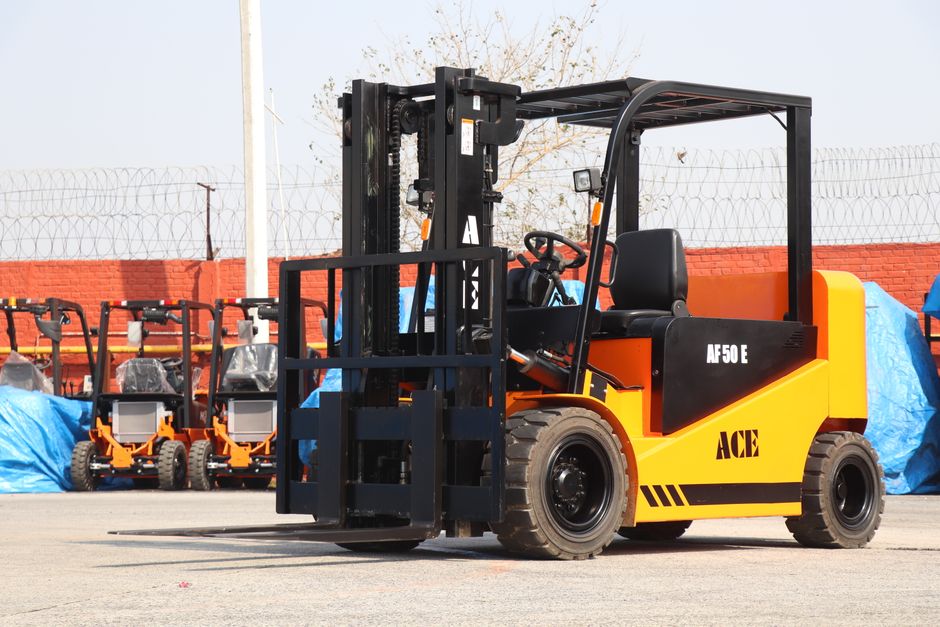
In the fast-evolving world of material handling, new energy forklifts—powered by lithium-ion batteries or hydrogen fuel cells—are rapidly replacing traditional internal combustion (IC) and lead-acid battery models. While the upfront purchase price of these electric forklifts can be higher, the total cost of ownership (TCO) often reveals significant long-term savings. This guide breaks down every component of TCO for new energy forklifts, helping you make an informed investment decision for your warehouse or distribution center.
What Is Total Cost of Ownership (TCO)?
TCO encompasses all costs associated with owning and operating a forklift over its entire lifespan, not just the purchase price. For new energy forklifts, the key TCO categories include:
- Acquisition cost – purchase price, financing, and incentives
- Energy costs – electricity or hydrogen consumption
- Maintenance and repair – parts, labor, and downtime
- Battery and charging infrastructure – battery replacement, chargers, and installation
- Operator productivity – shift runtime, opportunity charging, and ergonomics
- Residual value – resale or trade-in value at end of life
Acquisition Cost: Initial Investment vs. Long-Term Value
New energy forklifts typically cost 20–40% more upfront than comparable IC or lead-acid models. However, many governments offer tax credits, grants, or rebates for zero-emission equipment. Additionally, lower operating costs often offset the higher initial price within 2–3 years. When comparing quotes, consider the total package: forklift, battery, charger, and any installation costs.
Energy Costs: Electricity vs. Hydrogen vs. Diesel/LPG
Energy is the largest variable cost in forklift operations. Below is a comparison based on average US rates (2024 data):
| Forklift Type | Energy Cost per Hour | Annual Cost (2,000 hours) |
|---|---|---|
| Lithium-ion electric | $0.50–$1.00 | $1,000–$2,000 |
| Lead-acid electric | $0.60–$1.20 | $1,200–$2,400 |
| Diesel IC | $3.00–$5.00 | $6,000–$10,000 |
| LPG IC | $2.50–$4.00 | $5,000–$8,000 |
| Hydrogen fuel cell | $1.50–$3.00 | $3,000–$6,000 |
Note: Hydrogen costs vary widely by region; on-site production can reduce rates.
Maintenance and Repair Costs
New energy forklifts have significantly fewer moving parts than IC engines—no engine oil, filters, belts, spark plugs, or exhaust systems. Lithium-ion batteries require no watering, equalizing charges, or terminal cleaning. Typical maintenance savings:
- IC forklifts: $1,500–$3,000 per year (including engine overhauls)
- Lead-acid electric: $800–$1,500 per year (battery watering, cleaning, replacement)
- Lithium-ion electric: $300–$600 per year (minimal)
- Hydrogen fuel cell: $500–$1,000 per year (fuel cell stack replacement every 5–8 years)
Additionally, electric drivetrains experience less vibration and wear, extending the life of tires, hydraulics, and mast components.
Battery and Charging Infrastructure
Battery costs are a major TCO factor. Lithium-ion batteries last 3–4 times longer than lead-acid (3,000–5,000 cycles vs. 1,000–1,500 cycles). Although lithium-ion costs 2–3x more upfront, the cost per cycle is lower. Charging infrastructure for lithium-ion is simpler: opportunity charging during breaks eliminates the need for battery swapping rooms and spare batteries. For hydrogen, the fueling station investment can be $100,000–$500,000, but may qualify for grants.
Operator Productivity and Downtime
New energy forklifts improve uptime and efficiency:
- Lithium-ion batteries charge in 1–2 hours (opportunity charging), allowing multi-shift operation without battery swaps.
- No emissions means indoor operation is safe, reducing ventilation costs.
- Quieter operation reduces operator fatigue and improves communication.
- Regenerative braking recovers energy and reduces brake wear.
Studies show that lithium-ion forklifts achieve 95%+ uptime vs. 85–90% for lead-acid and 80–85% for IC models.
Residual Value and End-of-Life Costs
New energy forklifts retain higher resale value due to longer component life and growing demand for used electric equipment. After 5–7 years, a lithium-ion forklift may sell for 30–40% of its original price, compared to 20–30% for lead-acid and 15–25% for IC. Hydrogen fuel cell forklifts have less established resale markets but offer high value if the fuel cell is still functional.
Calculating Your TCO: A Step-by-Step Approach
- Define your operational profile: hours per shift, shifts per day, lifting capacity, and duty cycle.
- Gather quotes for each forklift type, including battery/charger or fueling equipment.
- Estimate energy costs using local utility rates and projected consumption.
- Factor in maintenance intervals and labor rates.
- Include infrastructure costs: electrical upgrades, charging stations, hydrogen storage.
- Apply any available incentives or tax credits.
- Calculate net present value (NPV) over 5–7 years using your cost of capital.
Many forklift manufacturers offer TCO calculators. Request a customized analysis from your supplier.
Practical Tips to Reduce TCO
- Choose lithium-ion over lead-acid for multi-shift operations to eliminate battery swap labor and spare batteries.
- Implement opportunity charging: charge during breaks and lunch to keep batteries topped up.
- Train operators on proper driving techniques to reduce energy consumption and wear.
- Monitor battery health with telematics to optimize charging cycles and predict replacement.
- Negotiate extended warranties on batteries and drivetrains.
- Consider leasing or forklift-as-a-service (FaaS) models to convert upfront costs to predictable monthly payments.
Conclusion
Total cost of ownership for new energy forklifts is decisively lower than traditional IC or lead-acid models in most applications, despite higher upfront investment. The combination of lower energy costs, reduced maintenance, higher productivity, and longer lifespan delivers a compelling ROI. As battery technology improves and hydrogen infrastructure expands, the gap will only widen. Evaluate your specific needs, use a TCO calculator, and partner with a reputable manufacturer to maximize your savings. The shift to new energy forklifts is not just an environmental choice—it's a smart financial decision.