
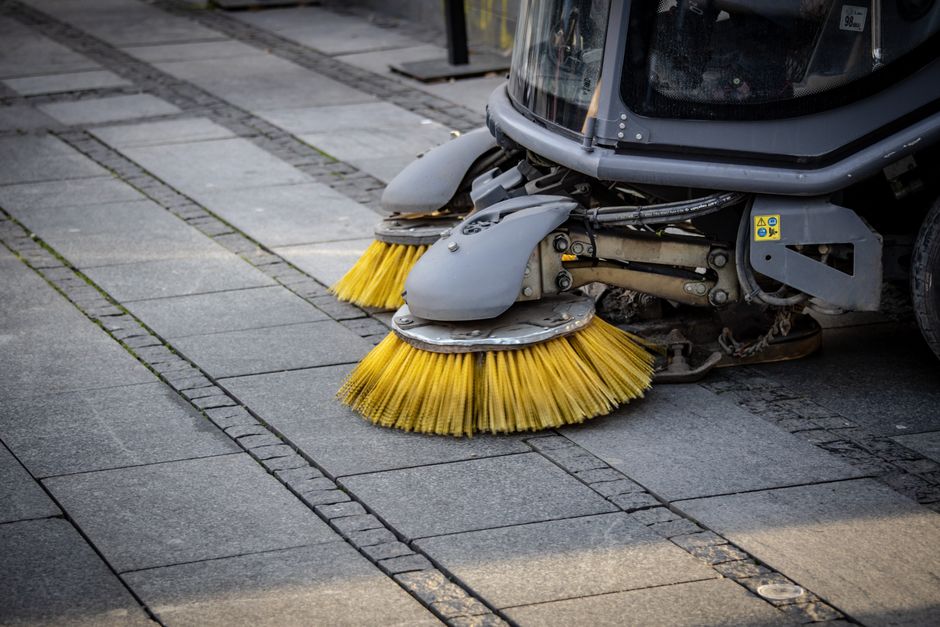
1. Brush Material Compatibility
Ensure the machine can handle the specific brush materials you plan to use—natural bristles, synthetic filaments, or wire. Different materials require different tufting speeds, trimming methods, and heat settings. Check the manufacturer's specifications for material compatibility and ask for test runs with your samples.
A versatile machine that accommodates multiple materials reduces the need for multiple units, saving floor space and capital. For example, a machine with adjustable RPM and temperature control can process both nylon and horsehair brushes without sacrificing quality.
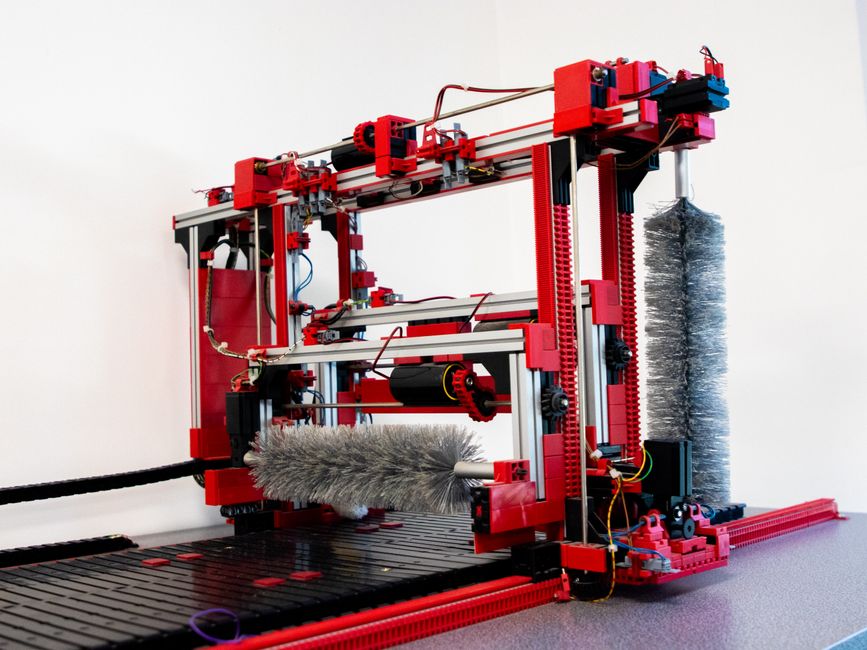
2. Production Speed and Output Capacity
Evaluate the machine's strokes per minute (SPM) or brushes per hour. Higher speed increases throughput but may affect precision for intricate designs. Balance speed with the complexity of your brush patterns.
Consider your current order volume and growth projections. A machine with a modular design allows future upgrades to increase speed. Also, factor in downtime for maintenance; machines with quick-change tooling minimize interruptions.
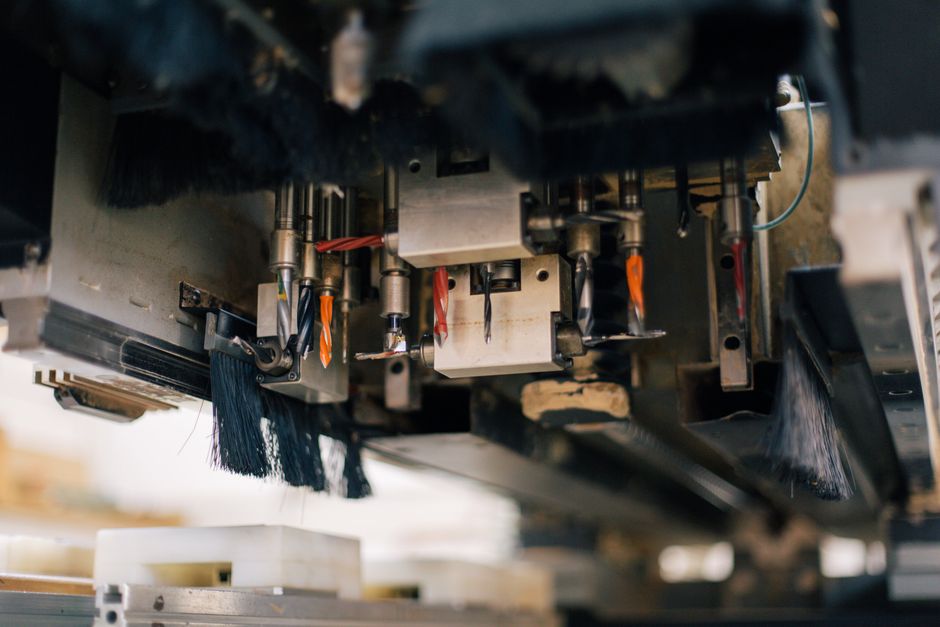
3. Automation and Control Systems
Modern brush machines offer PLC controls, servo motors, and touchscreen interfaces. Automation reduces labor costs and human error. Look for features like automatic tuft feeding, trimming, and quality inspection.
Programmable logic controllers (PLCs) enable storage of multiple brush recipes, allowing quick changeovers between product runs. This is crucial for B2B manufacturers handling diverse client orders.
4. Precision and Tolerances
Brush quality depends on tuft alignment, hole depth, and trim accuracy. Ask for tolerance specifications (e.g., ±0.1mm for tuft placement). High-precision machines reduce waste and rework.
Check if the machine uses linear guides and ball screws for consistent movement. Some manufacturers offer laser alignment tools for setup, ensuring repeatable precision over long production runs.
5. Durability and Build Quality
Inspect the machine's frame construction—heavy-duty steel or cast iron provides stability and vibration dampening. Look for components from reputable brands (e.g., Siemens motors, SKF bearings).
Request information on warranty and spare parts availability. A machine built with off-the-shelf parts is easier to service than one with proprietary components. Consider the manufacturer's reputation for reliability.
6. Ease of Maintenance and Support
Daily maintenance should be straightforward: accessible lubrication points, easy belt tensioning, and simple cleaning. Ask if the manufacturer provides training, manuals, and remote diagnostics.
Response time for technical support is critical in B2B operations. Check if they have local service engineers or a 24/7 hotline. Some offer preventive maintenance contracts to minimize unexpected downtime.
7. Safety Features
Ensure the machine complies with relevant safety standards (CE, UL, etc.). Look for emergency stops, light curtains, and guards that prevent access to moving parts. Safety reduces liability and protects workers.
Automated safety shutdowns in case of jams or misalignment prevent damage to the machine and product. These features also contribute to consistent quality by stopping production immediately upon error detection.
8. Energy Efficiency and Operating Costs
Compare power consumption (kW) and air pressure requirements. Energy-efficient motors and servo systems reduce electricity bills. Some machines use regenerative braking to recover energy.
Calculate total cost of ownership including consumables like brushes, lubricants, and replacement parts. A slightly higher upfront cost for a more efficient machine often pays back within two years through lower operating expenses.
9. Customization Options and Flexibility
Can the machine produce different brush shapes, sizes, and patterns? Look for adjustable worktables, interchangeable tufting heads, and variable stroke lengths. Flexibility allows you to respond to market trends.
Some manufacturers offer custom tooling for unique brush designs. If you serve niche industries (e.g., medical or automotive), ensure the machine can meet specific regulatory requirements like FDA-approved materials.
10. Supplier Reputation and After-Sales Service
Research the manufacturer's track record: years in business, client testimonials, and case studies. A reputable supplier offers installation, commissioning, and ongoing support.
Ask for references from similar B2B operations. Visit their factory if possible, or arrange a virtual demonstration. A supplier that invests in R&D is more likely to provide innovative solutions and long-term partnership.