
Introduction
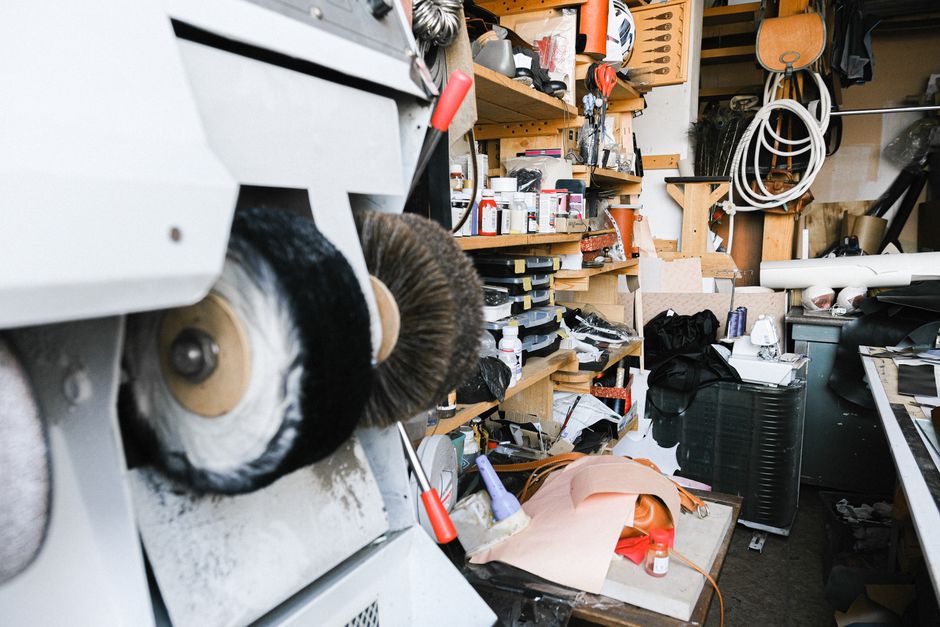
Negotiating with brush machine suppliers is a critical skill for B2B buyers in the manufacturing industry. A well-negotiated deal can reduce costs, improve machine quality, and secure favorable terms. This guide provides actionable strategies to help you achieve the best outcomes.
1. Understand Your Requirements Thoroughly
Before entering negotiations, define your needs clearly. Consider the following factors:
- Production capacity: How many brushes per hour or day do you need?
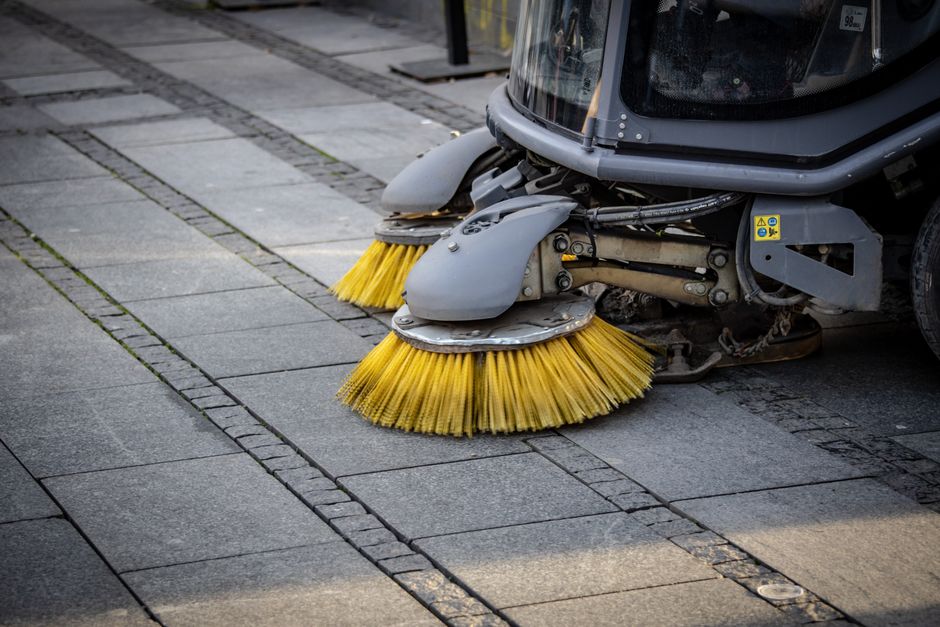
- Machine specifications: Type of brush (e.g., paintbrush, toothbrush, industrial brush), automation level, material compatibility.
- Budget range: Set a realistic budget and identify must-have features versus nice-to-haves.
- After-sales support: Warranty, maintenance, spare parts availability, and training.
Having a detailed requirement sheet will prevent miscommunication and help you compare offers objectively.
2. Research the Supplier Market
Knowledge is power. Investigate potential suppliers by:
- Checking online directories (Alibaba, Made-in-China) and trade shows (Canton Fair, Interbrush).
- Reading reviews and asking for references from other buyers.
- Comparing multiple quotes to understand price ranges and standard terms.
- Verifying certifications (ISO, CE) and production capabilities.
Identify suppliers who specialize in your brush type—they often offer better quality and more flexible negotiation.
3. Build Rapport Before Discussing Price
Establishing a professional relationship can lead to better deals. Communicate politely, show interest in their company, and acknowledge their expertise. Suppliers are more willing to offer discounts or favorable terms to buyers they trust.
4. Leverage Volume and Long-Term Commitment
Suppliers value consistent orders. Use this to your advantage:
- Commit to a larger initial order or a yearly contract in exchange for a lower unit price.
- Negotiate tiered pricing: the more you buy, the lower the cost per machine.
- Offer to become a long-term partner, which may secure priority production slots and better payment terms.
5. Focus on Total Cost of Ownership (TCO)
Price is not the only factor. Consider:
| Cost Element | Negotiation Lever |
|---|---|
| Machine price | Request discounts for bulk or early payment |
| Shipping & insurance | Ask for free or discounted shipping for large orders |
| Installation & training | Include these as part of the package |
| Spare parts & maintenance | Negotiate a discount on first-year spare parts or a service contract |
| Warranty extension | Request an extended warranty at no extra cost |
By addressing TCO, you can achieve savings beyond the initial purchase price.
6. Use Competitive Bids Wisely
Let suppliers know you are considering multiple offers. This encourages them to present their best terms. However, avoid sharing exact quotes from competitors; instead, say something like, 'We have received competitive offers and are evaluating them.' This creates urgency without being confrontational.
7. Negotiate Payment Terms
Payment terms significantly impact cash flow. Typical terms in B2B brush machine trade include:
- 30% deposit, 70% before shipment
- Letter of Credit (L/C) at sight
- Installment plans
Try to negotiate a lower deposit (e.g., 20%) or a longer payment period (e.g., 60 days after delivery for repeat customers). Offering to pay via T/T (wire transfer) can sometimes secure a discount for the supplier due to lower fees.
8. Discuss Quality Assurance and Penalties
Include clauses in the contract that protect your interests:
- Quality standards: Specify acceptance criteria and testing procedures.
- Delivery deadlines: Agree on penalties for delays (e.g., 1% of order value per week).
- Performance guarantees: If the machine doesn't meet specifications, you have the right to reject or demand a refund.
Suppliers who are confident in their product will agree to reasonable terms.
9. Consider Customization and Upgrades
If you need modifications, negotiate the cost upfront. Sometimes suppliers offer free customization for a first order to build a relationship. Alternatively, you can agree on a base model with optional upgrades added later at a fixed price.
10. Finalize with a Written Agreement
Once terms are agreed, put everything in writing. Include all negotiated points: price, delivery schedule, payment terms, warranty, and after-sales support. A clear contract prevents misunderstandings and provides legal protection.
Conclusion
Successful negotiation with brush machine suppliers requires preparation, relationship building, and a focus on total value. By understanding your needs, researching the market, and leveraging volume and long-term commitment, you can secure a deal that benefits both parties. Remember, the goal is not to win at the supplier's expense but to create a mutually beneficial partnership that ensures quality and reliability for years to come.