

1. Integration of AI and Machine Learning for Precision Brushing
Artificial intelligence (AI) and machine learning are revolutionizing brush machine operations by enabling real-time adjustments for optimal performance. In B2B manufacturing, these technologies allow machines to self-correct brush pressure, speed, and angle based on material feedback. For instance, when processing delicate surfaces like automotive parts or electronics, AI-driven sensors detect variations in texture and automatically tweak parameters to prevent damage while ensuring thorough cleaning or finishing.
This trend reduces waste and rework rates, directly impacting the bottom line for manufacturers. A brush machine equipped with AI can learn from thousands of production cycles, predicting maintenance needs and minimizing downtime. B2B buyers should prioritize machines with adaptive learning capabilities to stay competitive in high-volume production environments.
2. Modular and Scalable Machine Designs
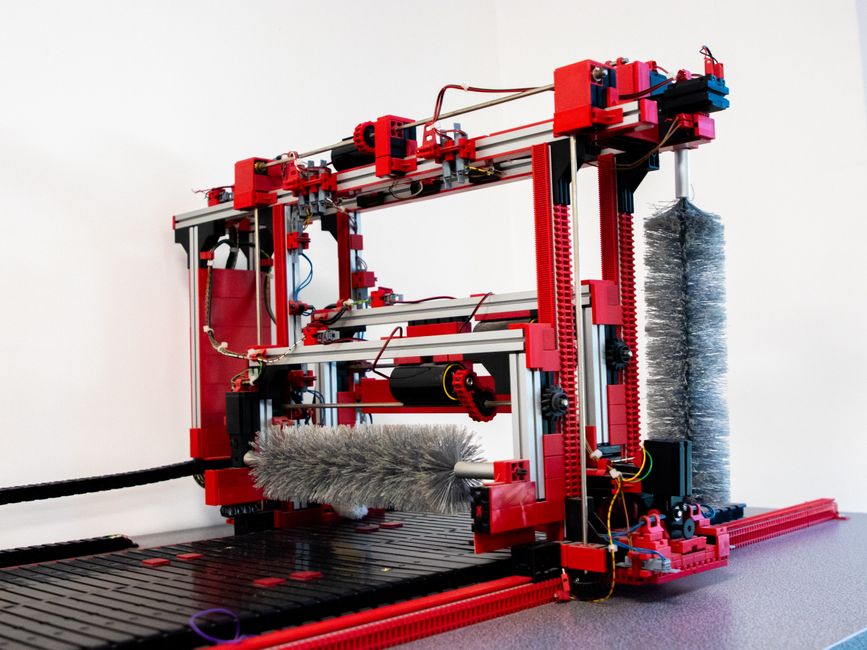
Modern brush machines are shifting from fixed configurations to modular architectures. This allows B2B buyers to start with a core unit and expand capabilities as demand grows. For example, a basic brushing station can be upgraded with additional brush heads, conveyor modules, or integrated drying systems without replacing the entire machine. This flexibility is critical for small to medium enterprises entering new markets.
Scalability also extends to software. Cloud-connected modules enable remote monitoring and firmware updates, ensuring machines stay current with industry standards. Manufacturers can now offer customized solutions by mixing and matching modules, reducing lead times and inventory costs. For B2B trade, this translates to lower capital expenditure and faster return on investment.
3. Advanced Brush Materials for Enhanced Durability
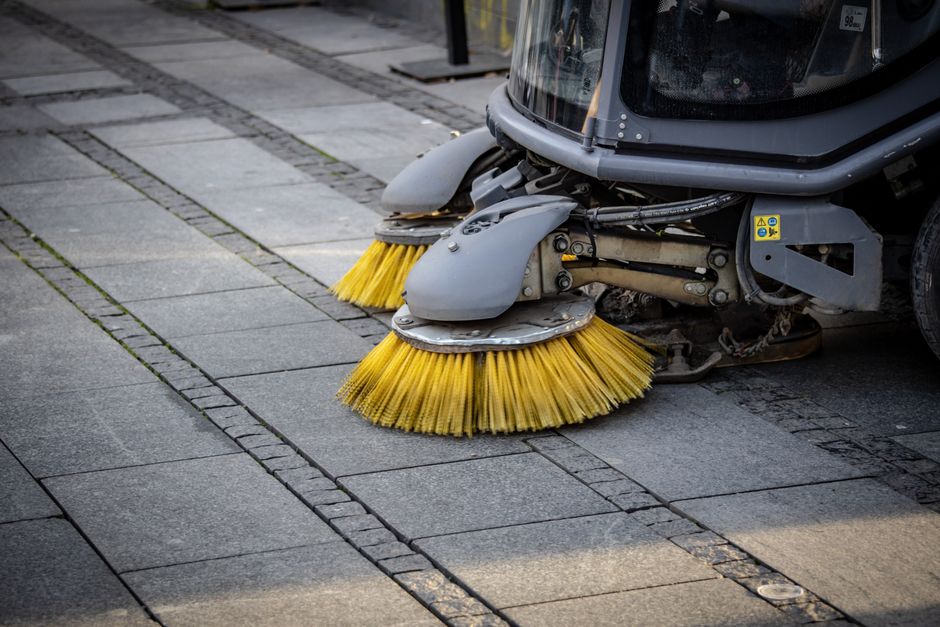
The development of new brush materials, such as diamond-infused filaments and ceramic-coated fibers, is extending brush life and performance. In heavy-duty applications like metal deburring or concrete surface preparation, these materials resist wear and maintain consistent bristle stiffness over longer periods. This reduces the frequency of brush replacements, a major cost factor in automated production lines.
Additionally, hybrid brushes combining abrasive grit with soft polymers are emerging for multi-stage finishing. B2B manufacturers can now achieve both aggressive material removal and fine polishing in a single pass, streamlining operations. When sourcing brush machines, buyers should evaluate the availability of specialized brush materials tailored to their specific substrates and finish requirements.
4. IoT-Enabled Predictive Maintenance and Analytics
Internet of Things (IoT) sensors embedded in brush machines collect data on vibration, temperature, and brush wear in real time. This data is analyzed to predict failures before they occur, scheduling maintenance during planned downtime. For B2B operations, this minimizes unexpected stoppages that can cost thousands per hour in lost production.
IoT platforms also provide dashboards for overall equipment effectiveness (OEE), helping manufacturers identify bottlenecks and optimize brush cycles. Some systems even integrate with enterprise resource planning (ERP) software to automate spare parts ordering. As Industry 4.0 adoption grows, brush machines with robust IoT capabilities will become standard for B2B trade partners seeking data-driven efficiency.
5. Energy-Efficient Drive Systems and Motors
New brush machines are incorporating servo motors and variable frequency drives (VFDs) that reduce energy consumption by up to 30%. These systems adjust power based on load, unlike traditional fixed-speed motors that run at full power regardless of need. In continuous production lines, energy savings translate directly to lower operating costs and a smaller carbon footprint.
Moreover, regenerative braking technology captures energy during deceleration and feeds it back into the plant grid. B2B buyers increasingly require sustainability metrics from suppliers, making energy-efficient machines a competitive advantage. Manufacturers should highlight specific kWh savings and potential green certifications when marketing to eco-conscious clients.
6. Collaborative Robotics Integration
Collaborative robots (cobots) are being paired with brush machines to handle loading, unloading, and part positioning. Unlike traditional industrial robots, cobots are safe to operate alongside human workers without heavy guarding. This allows flexible production cells that can switch between different brush tasks quickly.
In B2B settings, cobot integration reduces labor costs and improves consistency. For example, a cobot can present parts to the brush machine at a precise angle every time, eliminating human error. As cobot prices drop, even small manufacturers can automate brushing processes. When evaluating machine options, look for easy programming interfaces and pre-configured cobot integration packages.
7. Real-Time Quality Control with Vision Systems
Integrated machine vision systems now inspect brushed surfaces immediately after processing, detecting defects like streaks, uneven finish, or bristle marks. High-speed cameras and AI algorithms compare results to predefined quality thresholds, triggering automatic adjustments or reject mechanisms. This closed-loop control ensures consistent output without manual inspection.
For B2B manufacturers serving industries with strict quality standards (e.g., aerospace, medical devices), vision-enabled brush machines provide traceability and documentation. Inspection data can be stored per batch for compliance audits. This trend reduces the risk of shipping non-conforming products and strengthens buyer confidence in the manufacturing process.
8. Customizable Brush Patterns via Digital Control
Digital control systems now allow operators to program complex brush patterns, including variable speeds, oscillation, and pressure profiles across the brush width. This capability is essential for parts with irregular geometries, such as engine blocks or turbine blades. Instead of using multiple fixed machines, a single digital brush machine can handle diverse part families.
B2B buyers benefit from reduced changeover times and inventory of spare parts. Pattern libraries can be stored and recalled instantly, enabling quick switch between product runs. This flexibility is particularly valuable for contract manufacturers who serve multiple clients with varying specifications.
In conclusion, these emerging trends are reshaping the brush machine landscape for B2B trade. By investing in AI, modularity, advanced materials, IoT, energy efficiency, cobotics, vision systems, and digital control, manufacturers can achieve higher productivity, lower costs, and superior quality. As a leading brush machine producer, we are committed to integrating these innovations to help our clients thrive in the global market.