
Introduction
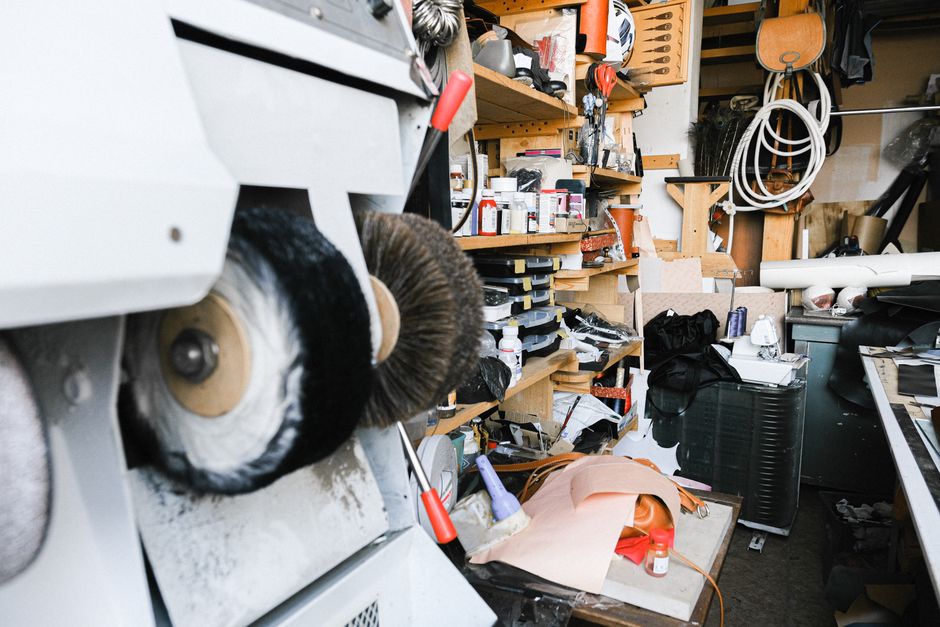
In the brush manufacturing industry, the debate between using automated brush machines and manual brush making is ongoing. As a B2B manufacturer specializing in brush machine production, we understand the nuances of both methods. This article provides a comprehensive comparison to help you decide which approach is better for your business.
Overview of Brush Making Methods
Manual Brush Making
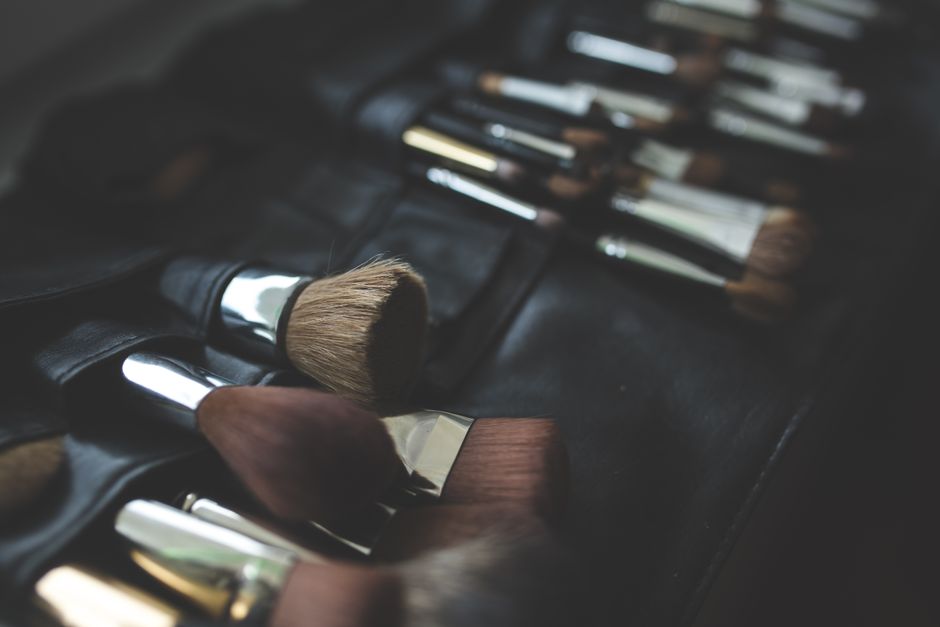
Manual brush making involves handcrafting brushes using traditional tools. Skilled artisans cut, shape, and assemble bristles and handles by hand. This method is labor-intensive and time-consuming but allows for high customization.
Brush Machine Production
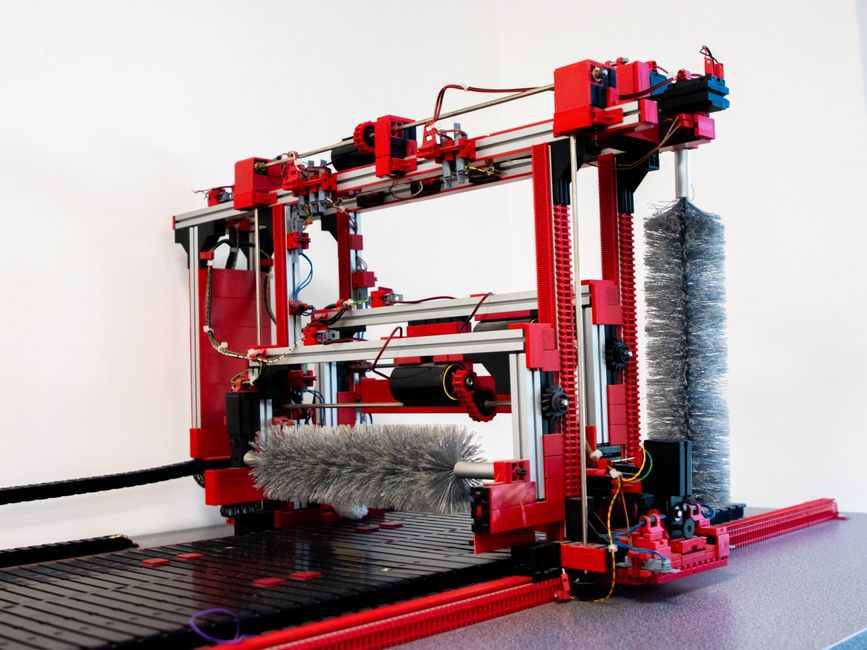
Brush machines automate the process, using advanced technology to perform tasks like tufting, trimming, and finishing. They can produce brushes at a much faster rate with consistent quality, reducing human error and labor costs.
Key Comparison Factors
| Factor | Manual Brush Making | Brush Machine Production |
|---|---|---|
| Production Speed | Slow; 10-50 brushes per day per worker | Fast; up to 5000 brushes per hour |
| Consistency | Variable; depends on skill | High; uniform quality |
| Labor Cost | High; skilled labor required | Low; fewer operators needed |
| Customization | Excellent; easy to modify design | Limited; requires machine setup changes |
| Initial Investment | Low; basic tools | High; cost of machinery |
| Scalability | Difficult; adding workers doesn't scale linearly | Easy; can run multiple machines |
| Quality Control | Subjective; relies on inspector | Automated; sensors and feedback |
| Material Waste | Moderate; manual errors | Low; precise material usage |
| Lead Time | Long; weeks for large orders | Short; days for large orders |
Pros and Cons
Manual Brush Making
- Pros: High flexibility, ideal for small batches, low startup cost, unique artisan quality.
- Cons: Slow production, inconsistent quality, high labor cost, difficult to scale.
Brush Machine Production
- Pros: High speed, consistent quality, lower per-unit cost at scale, less waste, easier compliance with standards.
- Cons: High initial investment, less flexibility, requires technical expertise, maintenance costs.
Cost Analysis
While manual making has lower upfront costs, the per-unit cost remains high due to labor. For example, a manual brush may cost $5 to produce, while a machine-made brush might cost $0.50 after the machine is paid off. For volumes above 10,000 units, machine production is significantly cheaper.
Quality and Consistency
Brush machines ensure every brush meets exact specifications. Manual brushes may have slight variations, which can be a drawback for B2B clients requiring uniformity. However, for premium or bespoke brushes, manual methods offer a unique touch.
Scalability and Lead Times
If you need to ramp up production quickly, brush machines are the clear winner. Manual production requires hiring and training more workers, which takes time. With machines, you can run multiple shifts and increase output overnight.
Recommendation
For most B2B brush manufacturers, investing in brush machines is the superior choice. The initial cost is offset by lower per-unit costs, faster production, and consistent quality. Manual brush making is only recommended for small-scale, high-end, or custom brush production where the artisan value justifies the cost. If you're looking to grow your business and compete globally, automation is the path forward.
Conclusion
Both methods have their place, but for B2B operations aiming for efficiency and scalability, brush machine production is undoubtedly better. Evaluate your order volumes, quality requirements, and budget to make the right decision. Our company offers a range of brush machines tailored to your needs.