

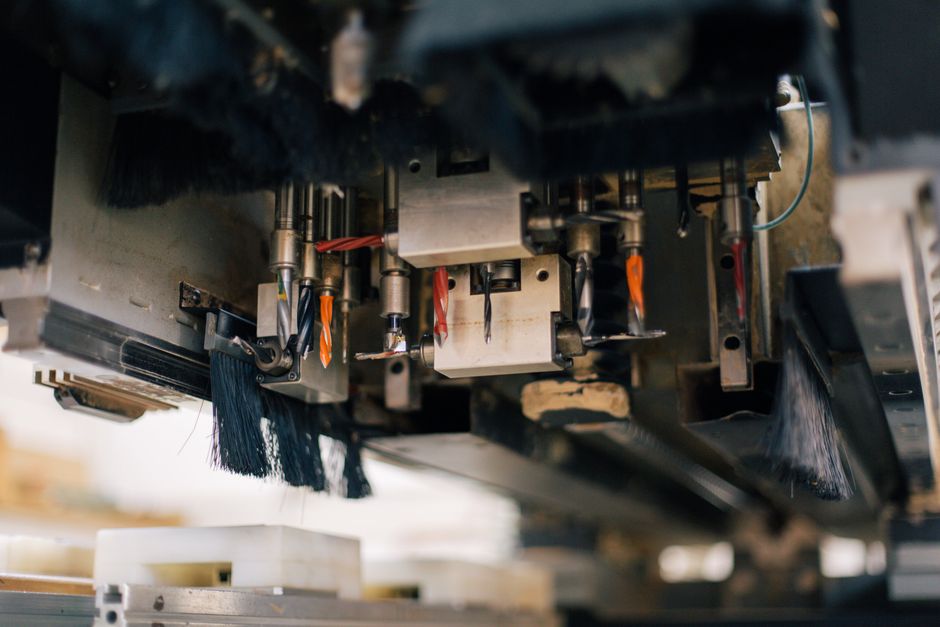
Introduction
In the brush manufacturing industry, the choice between modern brush making machines and traditional manufacturing methods can significantly impact production efficiency, cost, and quality. This article compares the pros and cons of each approach to help B2B buyers make informed decisions.
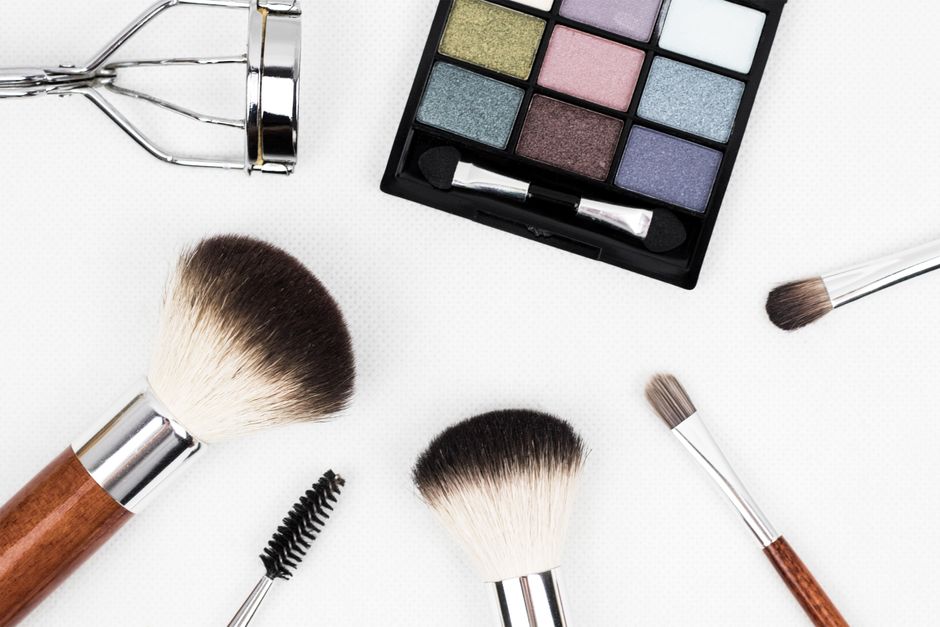
Overview of Brush Making Machines
Brush making machines are automated systems designed to produce various types of brushes, including toothbrushes, paint brushes, industrial brushes, and more. These machines integrate multiple processes such as bristle cutting, trimming, drilling, and filling into a single streamlined operation.
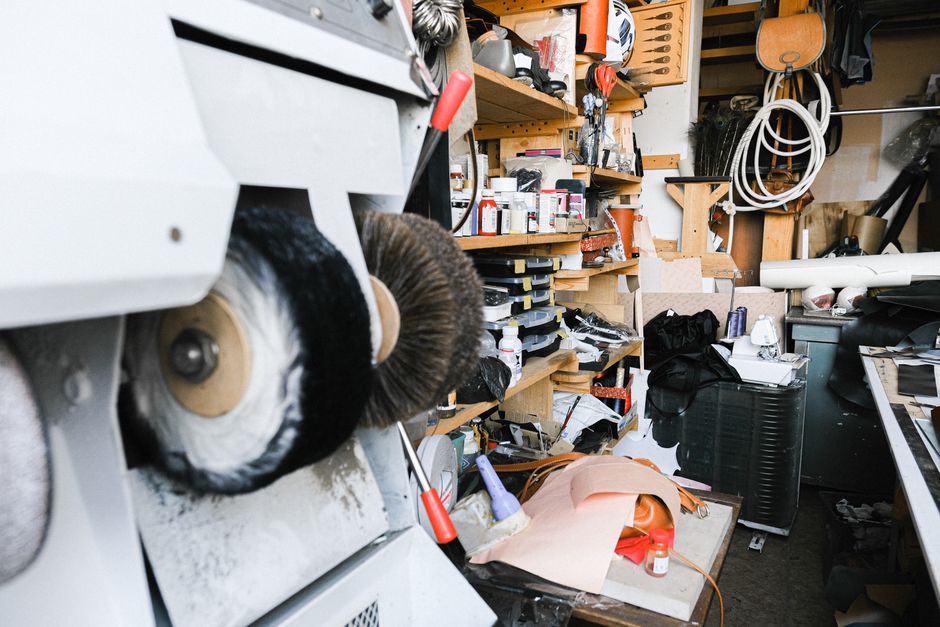
Overview of Traditional Manufacturing
Traditional brush manufacturing relies on manual labor and semi-automated tools. Skilled workers perform tasks like hand-drilling holes, inserting bristles, and trimming. This method is often used for small batches or highly customized brushes.
Comparison Table: Brush Making Machine vs Traditional Manufacturing
| Feature | Brush Making Machine | Traditional Manufacturing |
|---|---|---|
| Production Speed | High (up to 1000 brushes/hour) | Low (50-100 brushes/hour) |
| Consistency | Excellent, uniform quality | Variable, depends on worker skill |
| Initial Investment | High ($50,000 - $500,000+) | Low ($5,000 - $50,000) |
| Labor Cost | Low (1-2 operators) | High (10-20 workers) |
| Flexibility | Limited to standard designs | High, can customize easily |
| Maintenance | Requires skilled technicians | Simple, common tools |
| Quality Control | Automated sensors | Manual inspection |
| Scalability | Easy to scale up | Difficult, requires more labor |
| Waste Material | Low (precision cutting) | Moderate to high |
| Lead Time | Short (days) | Long (weeks) |
Pros and Cons of Brush Making Machines
Pros
- High Efficiency: Automated processes dramatically increase output per hour.
- Consistent Quality: Each brush meets exact specifications, reducing defects.
- Lower Labor Costs: Fewer workers needed, reducing overhead.
- Reduced Waste: Precise material usage minimizes scrap.
- Faster Lead Times: Quick turnaround for large orders.
Cons
- High Initial Investment: Significant capital required for purchase and installation.
- Limited Flexibility: Retooling for new designs is time-consuming and costly.
- Technical Expertise Needed: Requires trained operators and maintenance staff.
- Depreciation: Machinery loses value over time and may become obsolete.
Pros and Cons of Traditional Manufacturing
Pros
- Low Startup Cost: Minimal investment in equipment.
- High Flexibility: Easily switch between different brush types and custom orders.
- Skilled Craftsmanship: Ability to create intricate, hand-finished products.
- Lower Risk: No large capital tied up in machinery.
Cons
- Slow Production: Labor-intensive processes limit output.
- Inconsistent Quality: Human error leads to variations.
- High Labor Costs: Wages, benefits, and training add up.
- Scalability Issues: Increasing production requires hiring and training more workers.
- Longer Lead Times: Manual processes take more time.
When to Choose Brush Making Machines
Brush making machines are ideal for manufacturers who need high-volume production of standard brushes. If your orders are consistent and you prioritize speed, consistency, and cost-efficiency over customization, automation is the best path. Industries such as personal care, household cleaning, and industrial supply often benefit from this approach.
When to Choose Traditional Manufacturing
Traditional manufacturing suits businesses focusing on niche markets, custom brushes, or small batch sizes. If your clients require unique designs, specialty materials, or handcrafted quality, manual methods provide the necessary flexibility. Traditional methods also work well for startups with limited capital.
Hybrid Approach: Combining Both Methods
Some manufacturers adopt a hybrid strategy, using machines for high-volume standard brushes and manual processes for custom orders. This balances efficiency with flexibility, allowing companies to serve a broader market while managing costs.
Recommendation
For B2B brush manufacturers aiming to scale and compete globally, investing in a brush making machine is highly recommended. The long-term savings in labor, improved quality, and faster production outweigh the initial costs. However, if your business focuses on artisanal or custom brushes, traditional manufacturing remains viable. Assess your production volume, budget, and client needs to choose the right approach.
Conclusion
Both brush making machines and traditional manufacturing have distinct advantages. Automation excels in efficiency and consistency, while manual methods offer flexibility and lower entry barriers. By understanding your production goals, you can select the method that aligns with your business strategy.