
Introduction to Brush Machine Production Line Costs
Investing in a brush machine production line is a significant decision for any B2B brush manufacturer. The cost varies widely based on automation level, production capacity, and customization. This guide breaks down every cost component to help you plan your budget effectively.
Key Factors Influencing the Total Cost
Several variables determine the final price of a brush production line:
- Automation Level: Fully automated lines cost more upfront but reduce labor costs long-term.
- Production Capacity: Higher output machines (e.g., 60 brushes/min vs. 20) increase price.
- Brush Type: Toothbrushes, industrial brushes, or paint brushes require different tooling.
- Material Compatibility: Ability to handle various bristles (nylon, PBT, natural) adds cost.
- Brand & Origin: European or Japanese machines are premium; Chinese manufacturers offer competitive pricing.
Breakdown of Cost Components
1. Core Machinery
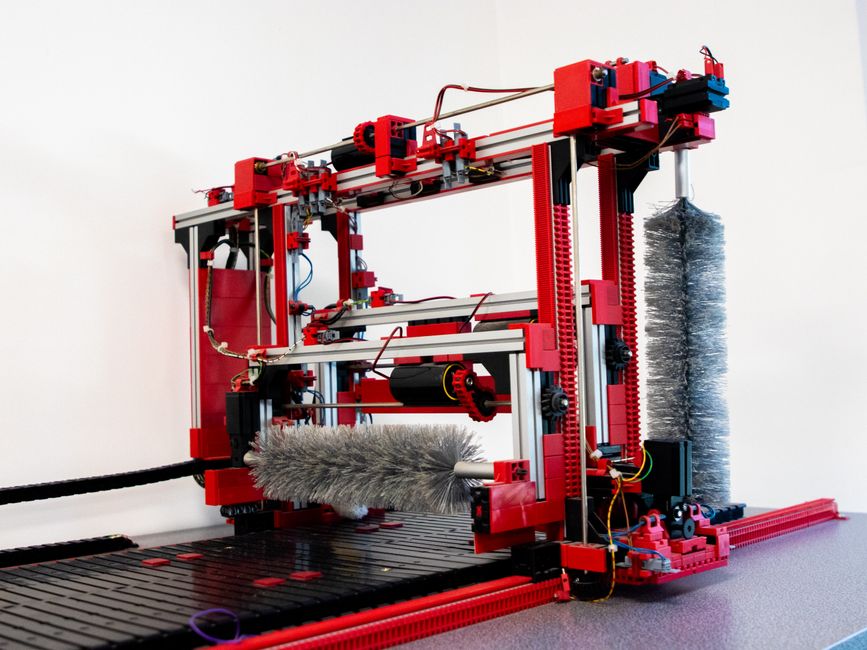
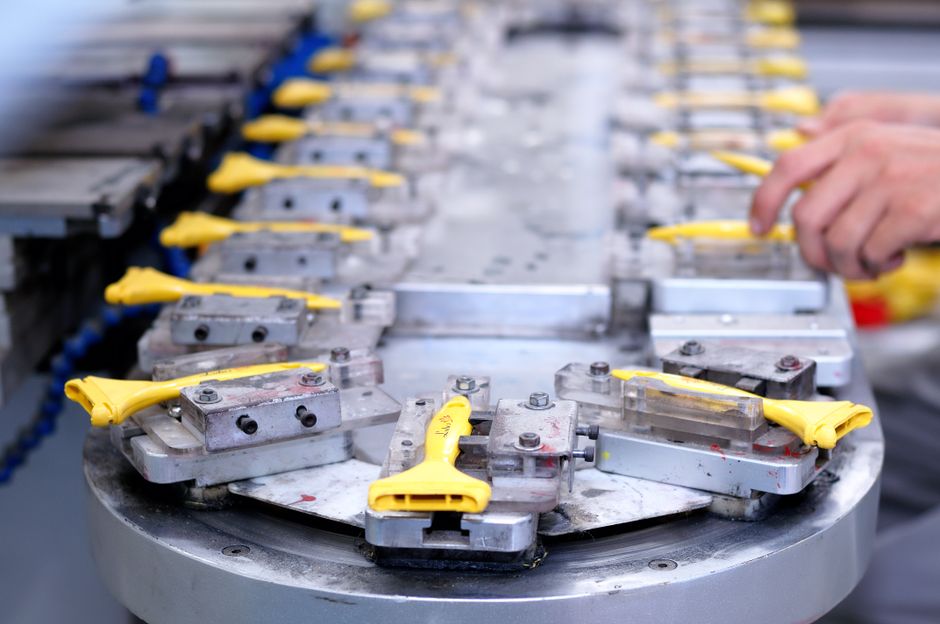
The main equipment includes the tufting machine, trimming machine, and finishing station. Prices range from $50,000 for a semi-automatic tufter to $200,000 for a high-speed servo-driven model.
2. Ancillary Equipment
Additional machines like bristle cutting, handle injection molding, or packaging systems can add $30,000–$100,000.
3. Tooling and Molds
Custom molds for brush heads and handles cost $5,000–$20,000 per design. Multi-cavity molds reduce per-part cost.
4. Installation and Training
Setup fees range from $5,000 to $15,000, plus travel expenses for technicians. Training costs $2,000–$8,000.
5. Shipping and Duties
International shipping for a full line can be $3,000–$10,000, with import duties varying by country (often 5–15%).
6. Maintenance and Spare Parts
Annual maintenance contracts cost $2,000–$5,000. Initial spare parts kit is typically 5% of machine cost.
Cost Comparison: Semi-Automatic vs. Fully Automatic
| Feature | Semi-Automatic | Fully Automatic |
|---|---|---|
| Initial Investment | $80,000–$150,000 | $200,000–$500,000 |
| Output per Minute | 15–25 brushes | 40–60 brushes |
| Labor Required | 3–5 operators | 1–2 operators |
| ROI Period | 2–3 years | 1.5–2 years |
Hidden Costs to Watch Out For
Beyond the purchase price, consider:
- Factory Preparation: Floor reinforcement, electrical upgrades, compressed air lines ($5,000–$20,000).
- Raw Material Inventory: Initial stock of handles, bristles, and packaging.
- Certification and Compliance: CE, UL, or FDA approvals may require audits.
- Financing Interest: Loan or lease interest adds 5–10% annually.
Tips to Optimize Your Investment
- Request a Detailed Quote: Ask for itemized pricing including all components.
- Consider Used Lines: Refurbished machines can save 30–50% with warranty.
- Negotiate Training and Installation: Many suppliers include these if you ask.
- Plan for Scalability: Choose a line that allows modular upgrades.
- Compare Multiple Suppliers: Get quotes from at least three manufacturers.
Conclusion
Understanding the full cost breakdown of a brush machine production line helps you make an informed decision. While initial investment is high, the right line can boost efficiency and profitability. Contact us for a customized quote tailored to your production needs.