
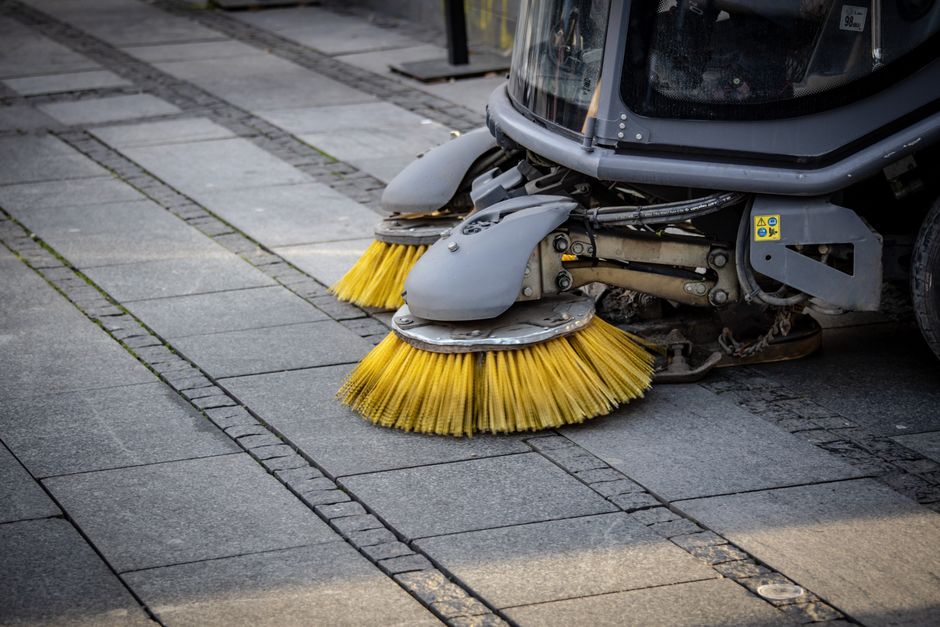
Why a Maintenance Schedule Is Critical for Brush Machine Longevity
In the competitive world of B2B brush manufacturing, your brush machine is the backbone of production. Unplanned downtime not only disrupts order fulfillment but also increases operational costs. A regular maintenance schedule ensures consistent output, high product quality, and extends the machine's lifespan, protecting your capital investment.
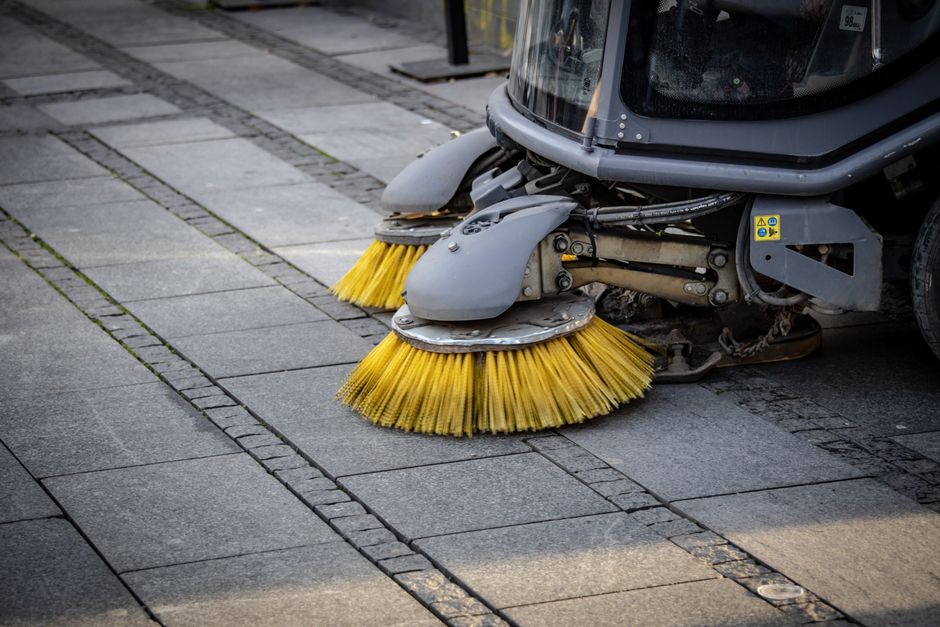
Daily Maintenance Checklist
Daily checks take just minutes but prevent minor issues from escalating. Train operators to perform these tasks at the start or end of each shift.
- Visual Inspection: Look for loose belts, frayed wires, oil leaks, or debris buildup. Check for abnormal vibrations or noises.
- Clean Working Surfaces: Remove dust, brush bristle fragments, and lubricant residue from the machine bed and guide rails. Use a soft brush or compressed air.
- Lubrication Points: Apply grease to bearings and moving parts as per the manufacturer’s manual. Over-lubrication can attract dust, so use the recommended amount.
- Check Safety Devices: Ensure emergency stops, guards, and interlocks function properly. Test them before production begins.
- Monitor Key Indicators: Record temperature, pressure, and vibration readings if sensors are available. Note any deviations.

Weekly Maintenance Tasks
Weekly tasks involve deeper cleaning and inspection to catch wear before it causes failure.
- Inspect Brushes and Tooling: Examine the bristle material, trim length, and fill pattern. Replace worn or damaged brush segments. Check the condition of cutting tools (if applicable) and sharpen or replace as needed.
- Check Electrical Connections: Tighten loose terminals, look for signs of overheating (discolored insulation), and clean dust from control panels with a vacuum.
- Verify Alignment: Use a dial indicator to check spindle runout and ensure the brush mandrel is concentric. Misalignment causes uneven wear and poor product quality.
- Test Pneumatic or Hydraulic Systems: Check for air leaks, hydraulic fluid levels, and filter conditions. Drain moisture from air tanks.
Monthly Maintenance Schedule
Monthly activities are more comprehensive and may require a skilled technician.
- Deep Clean: Disassemble guards and covers to clean hard-to-reach areas. Use a non-abrasive cleaner to remove built-up resin or adhesive.
- Inspect Bearings and Seals: Listen for grinding noises. Replace bearings that have play or roughness. Check seals for wear to prevent contamination.
- Calibrate Sensors and Controllers: Verify that position sensors, timers, and temperature controllers are accurate. Recalibrate if necessary.
- Lubricate Gearboxes: Check oil level and condition. Change gear oil per manufacturer recommendations (typically every 6-12 months).
- Belt Tension and Condition: Adjust belt tension to spec. Replace cracked or glazed belts.
Quarterly Maintenance Procedures
Quarterly tasks involve more extensive checks that can prevent major breakdowns.
- Motor Inspection: Measure winding resistance and insulation resistance with a megohmmeter. Clean motor vents and check cooling fan operation.
- Structural Integrity: Check for cracks or deformation in the machine frame. Tighten foundation bolts.
- Replace Filters: Change air, oil, and coolant filters. Clogged filters reduce efficiency and can damage components.
- Review Vibration Analysis: If you have vibration monitoring equipment, analyze trends. Unusual spikes indicate impending bearing or imbalance issues.
Annual Overhaul and Replacement Planning
Once a year, schedule a full shutdown for a thorough overhaul. This is the time to replace parts with finite lifespans.
- Replace Worn Components: Belts, hoses, seals, bearings, and electrical contacts often need annual replacement.
- Update Software/Firmware: If your machine uses PLCs or CNC controllers, install the latest updates to improve performance and security.
- Professional Calibration: Hire a certified technician to calibrate all measurement systems and verify machine accuracy.
- Document Lessons Learned: Review maintenance logs to identify recurring issues. Adjust the schedule or upgrade components accordingly.
Common Mistakes to Avoid
- Ignoring Small Leaks: A small oil leak can lead to major bearing failure if left unattended.
- Over-Lubrication: Too much grease causes overheating and attracts contaminants. Follow the manual’s quantity and frequency.
- Skipping Calibration: Inaccurate settings produce off-spec brushes, leading to waste and rework.
- Using Wrong Cleaning Agents: Harsh chemicals can damage seals, coatings, and plastic components. Use manufacturer-recommended cleaners.
Creating Your Custom Maintenance Log
Use a digital or paper log to track each task. Include columns for date, task description, performed by, findings, and actions taken. Review logs monthly to spot trends. For example, if a bearing fails every six months, consider upgrading to a higher-grade bearing.
Training Your Team
Invest in training for operators and maintenance staff. They should understand the machine’s operating principles, common failure modes, and proper lubrication techniques. Cross-train at least two people per shift to avoid knowledge gaps.
Conclusion
A disciplined maintenance schedule is the most cost-effective strategy to maximize brush machine longevity. By following daily, weekly, monthly, quarterly, and annual tasks, you reduce unplanned downtime, maintain product quality, and protect your investment. Start implementing these practices today to ensure your brush machine delivers consistent performance for years to come. For OEM support or spare parts, contact our team – we’re here to help you keep production running smoothly.