
Introduction
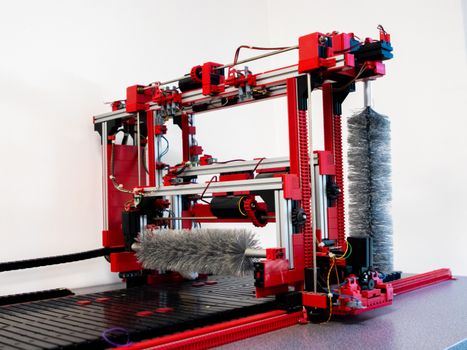
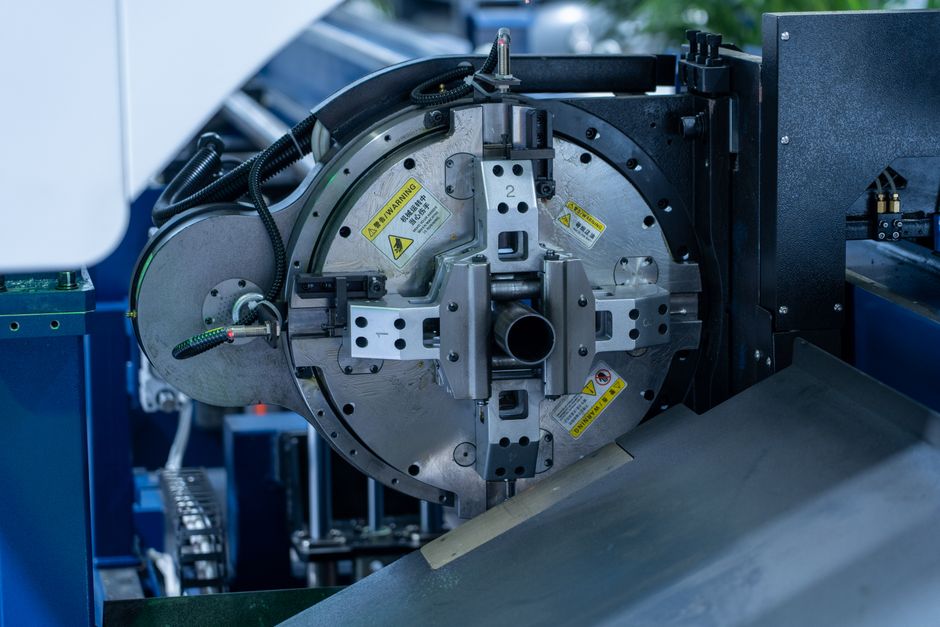
In the competitive landscape of B2B foreign trade, manufacturers are constantly seeking ways to improve efficiency, reduce costs, and meet the high standards of international buyers. Automatic brush machines have emerged as a game-changer for brush manufacturers looking to scale their operations and enter global markets. This comprehensive guide explores why automatic brush machines are ideal for foreign trade, covering key benefits, technical considerations, and practical tips for success.
1. Enhanced Production Efficiency
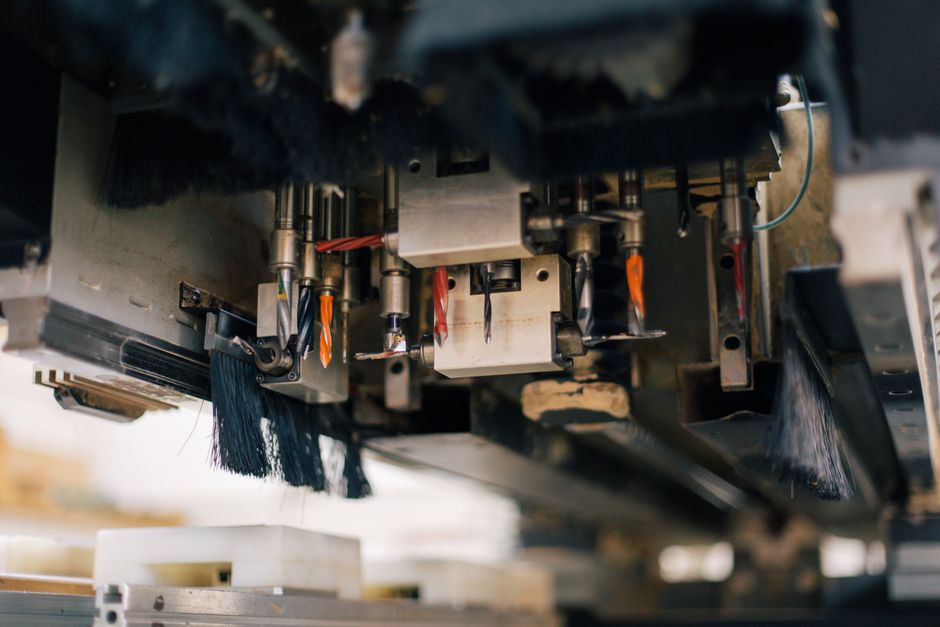
Automatic brush machines significantly boost production speed and consistency. Unlike manual or semi-automatic processes, fully automatic systems can produce hundreds of brushes per hour with minimal variation. This high output is critical for fulfilling large international orders on time. For example, a typical automatic bristle inserting machine can produce up to 600 brushes per hour, compared to 50-80 with manual labor.
Key Efficiency Metrics
- Cycle time reduction: Up to 80% faster than manual methods
- Labor cost savings: One operator can oversee multiple machines
- Consistent quality: Automated tension control ensures uniform bristle density
When targeting foreign buyers, reliability and lead time are paramount. Automatic machines allow you to quote shorter lead times, making your company more competitive.
2. Consistent Quality for International Standards
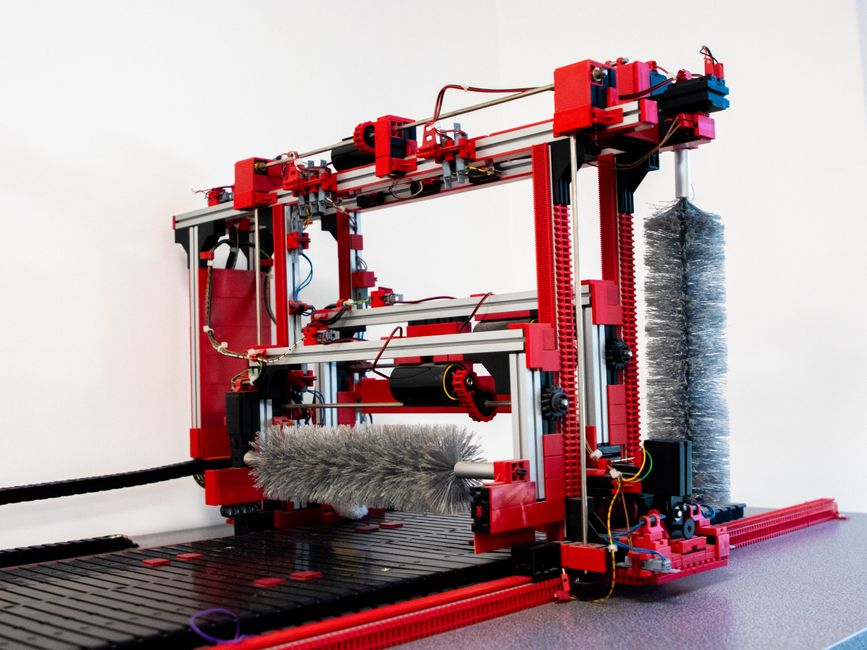
Foreign trade requires adherence to strict quality standards. Automatic brush machines offer precise control over parameters such as bristle length, hole pattern, and trimming angle. This consistency is difficult to achieve with manual labor, especially across large production runs. Many international buyers require ISO 9001 certification, which demands documented quality processes. Automatic machines facilitate this by providing repeatable outputs and easy data logging.
Quality Control Features
- Automated bristle feeding and cutting
- Real-time monitoring of brush dimensions
- Programmable settings for different brush types
By investing in automatic machinery, you demonstrate a commitment to quality that resonates with discerning international clients.
3. Cost-Effectiveness in the Long Run
While the initial investment in automatic brush machines can be substantial, the long-term cost benefits are significant. Lower labor costs, reduced material waste, and higher throughput contribute to a lower cost per unit. This allows you to offer competitive pricing in foreign markets without sacrificing margin. A cost analysis often shows payback periods of 12-18 months for medium-sized manufacturers.
| Cost Factor | Manual Production | Automatic Production |
|---|---|---|
| Labor cost per brush | $0.15 | $0.03 |
| Material waste rate | 5% | 1% |
| Defect rate | 3% | 0.5% |
| Annual maintenance cost | $2,000 | $5,000 |
These savings accumulate over time, making automatic machines a wise investment for export-oriented manufacturers.
4. Flexibility to Meet Diverse Buyer Needs
Foreign trade often involves producing a wide variety of brush types—from toothbrushes to industrial brushes. Automatic brush machines are highly programmable, allowing quick changeovers between different brush designs. This flexibility enables you to serve multiple market segments without dedicated lines for each product. For instance, a single automatic machine can handle different handle shapes, bristle materials, and tuft patterns with simple software adjustments.
Practical Tips for Flexibility
- Invest in modular tooling systems for quick changeovers
- Use machines with intuitive touch-screen interfaces
- Maintain a library of production recipes for repeat orders
This adaptability is a strong selling point when negotiating with overseas buyers who may require small batches of specialized brushes.
5. Compliance with International Regulations
Many countries have strict regulations regarding product safety, especially for brushes used in food processing or personal care. Automatic machines can incorporate features like sanitary design, easy cleaning, and material traceability. For example, machines with stainless steel components and CIP (clean-in-place) capabilities help meet FDA and EU standards. Additionally, automated systems can generate detailed production reports for regulatory audits.
6. Scalability for Growing Export Volumes
As your foreign trade business expands, you need to scale production without proportional increases in labor. Automatic brush machines offer a clear path to scalability. You can start with one or two machines and later add more units or upgrade to higher-speed models. Many manufacturers also integrate robotic palletizing and packaging systems to create a fully automated production line.
Conclusion
Automatic brush machines are not just a manufacturing upgrade—they are a strategic investment for B2B foreign trade success. By improving efficiency, quality, cost-effectiveness, flexibility, and compliance, these machines position your company as a reliable and competitive partner in the global market. If you are ready to take your brush manufacturing to the next level, consider exploring the latest automatic solutions tailored for export-oriented production.