
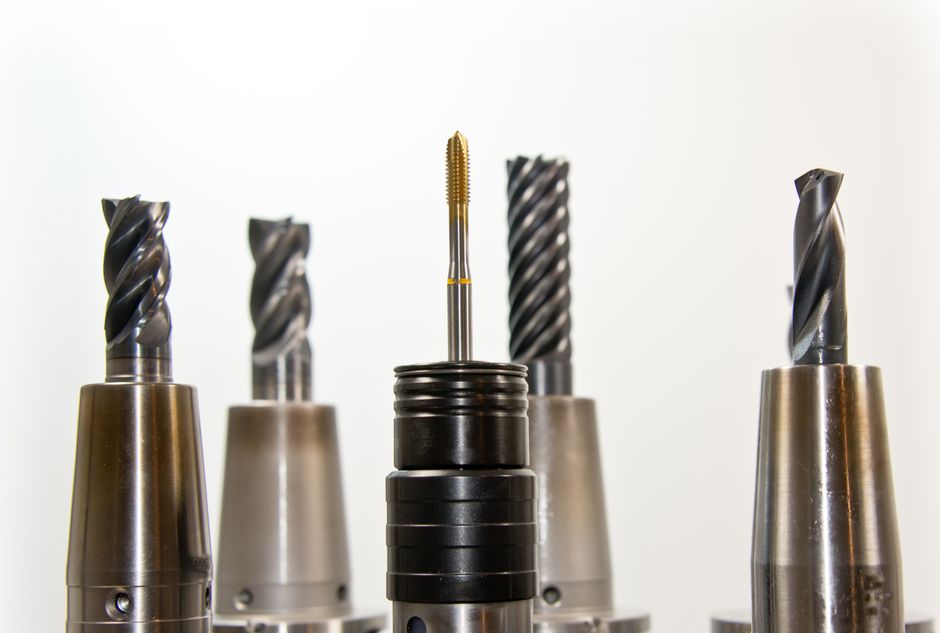
1. The Cutting Die: Precision at Its Core
The cutting die is arguably the most critical component of any nail making machine. It determines the shape, length, and overall quality of the nail. Made from high-grade tool steel, the cutting die must withstand repeated impact without deforming. Regular inspection is necessary because even minor wear can lead to inconsistent nail dimensions, causing rejects and increased material waste.
When replacing a cutting die, always ensure it matches the original manufacturer's specifications. Using a generic or poorly machined die can damage the entire machine. We recommend sourcing dies from reputable suppliers who use CNC machining for precise tolerances. A well-maintained cutting die can produce millions of nails before needing replacement, making it a cost-effective investment.
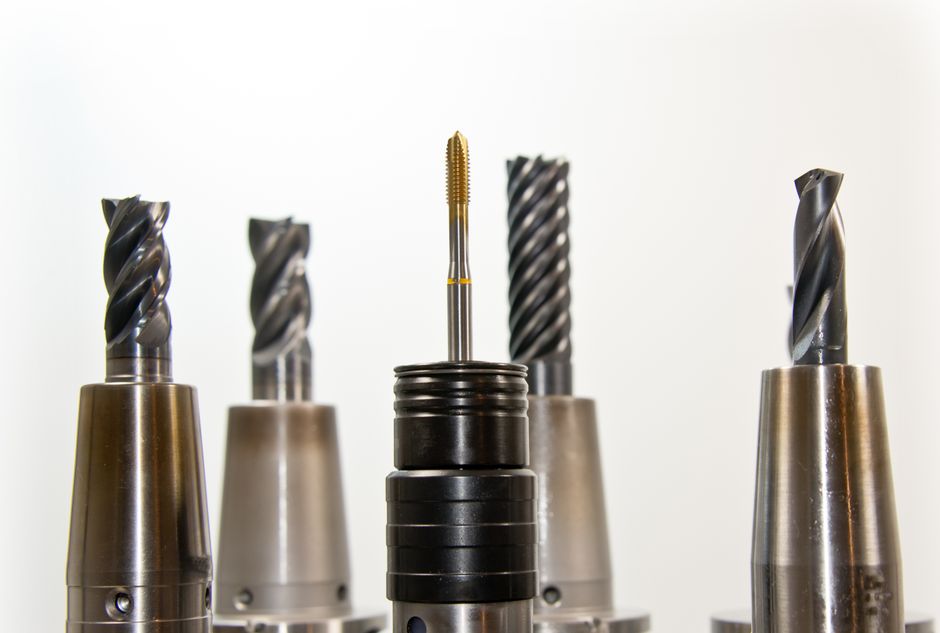
2. The Punch: Delivering Controlled Force
The punch works in tandem with the cutting die to form the nail head. It is subjected to tremendous stress with every cycle. Common wear issues include chipping, cracking, or flattening of the tip. A worn punch can produce nails with irregular heads, leading to poor driving performance in nail guns.
To extend punch life, ensure proper lubrication and alignment. Many modern machines feature adjustable punch guides that compensate for minor wear. When selecting a replacement punch, consider the material—high-speed steel (HSS) offers better wear resistance than standard carbon steel. Always replace punches in sets to maintain balanced operation.
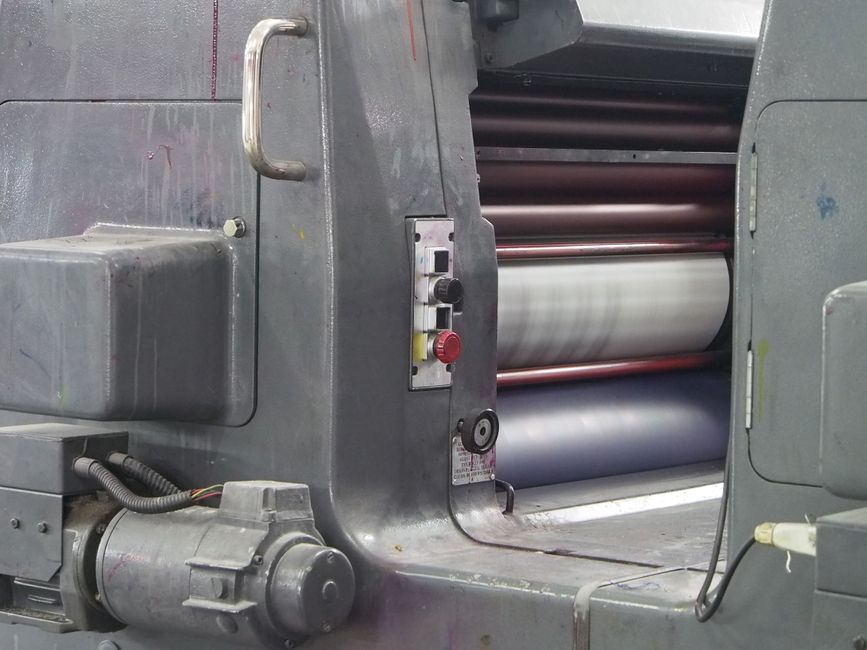
3. Feed Rollers: Consistent Wire Feeding
Feed rollers are responsible for pulling the wire coil into the machine at a precise rate. They are typically made from hardened steel with knurled or grooved surfaces to grip the wire. Over time, the grooves wear down, causing slippage and irregular nail lengths. This is one of the most common causes of production stoppages.
Inspect feed rollers monthly for signs of wear. If you notice the nail length fluctuating, check the roller condition first. Replace both rollers simultaneously to ensure uniform pressure. Some manufacturers offer carbide-coated rollers for extended life, which can be a worthwhile upgrade for high-volume production.
4. Cam Followers: Smooth Motion Transfer
Cam followers are bearing-like components that ride on cam surfaces to convert rotary motion into linear motion. They are found in the feeding, cutting, and heading mechanisms. Because they operate under high loads and speeds, they are prone to fatigue and eventual failure. A failing cam follower can cause erratic machine movements and reduced nail quality.
Regular greasing is essential. Use a high-quality lithium-based grease and follow the manufacturer's schedule. When replacing cam followers, choose units with sealed bearings to keep out contaminants. It's also wise to replace all cam followers in a given mechanism at the same time to ensure even wear.
5. Oil Seals and Gaskets: Keeping Lubrication In
Oil seals and gaskets prevent lubricant leakage and keep dirt out. They are often overlooked until a leak appears. Common failure points include the main shaft seal and the gearbox gasket. A leaking seal can lead to oil starvation, causing rapid wear of gears and bearings.
Replace oil seals at the first sign of leakage. When changing, clean the mating surfaces thoroughly and apply a thin layer of sealant if recommended. Use only seals made from oil-resistant materials like nitrile rubber. For high-temperature applications, consider silicone or fluorocarbon seals.
6. Drive Belts: Power Transmission Efficiency
Drive belts connect the motor to the machine's main shaft. They are subjected to constant tension and flexing, leading to stretching, cracking, or glazing. A slipping belt can cause speed fluctuations, affecting nail quality and cycle time. In severe cases, a broken belt can halt production entirely.
Check belt tension weekly. A properly tensioned belt should deflect about 1/2 inch when pressed firmly at the midpoint. Replace belts in pairs if your machine uses multiple belts. Opt for high-quality, reinforced belts designed for industrial use. Keep spare belts on hand to minimize downtime.
7. Electrical Components: The Nervous System
Modern nail making machines rely on sensors, switches, and controllers for precise operation. Common parts include limit switches, proximity sensors, and PLC modules. These components can fail due to electrical surges, moisture, or simple wear. A faulty sensor can cause the machine to misalign or stop unexpectedly.
Regularly clean sensor lenses and check wiring for fraying. Use surge protectors to safeguard electronics. When replacing electrical parts, always use components with the same specifications from the original manufacturer. After replacement, recalibrate the machine according to the manual to ensure accurate operation.
8. Lubrication System Parts: The Lifeblood
The lubrication system includes pumps, filters, and tubing that deliver oil to moving parts. A clogged filter or failed pump can lead to inadequate lubrication, causing premature wear and overheating. The most common issue is a blocked oil line, often due to sludge buildup.
Change oil filters at recommended intervals, typically every 500 operating hours. Use a high-quality machine oil with the correct viscosity. Inspect oil lines for cracks or kinks. If the pump becomes noisy, it may need rebuilding or replacement. Keeping the lubrication system in top condition is the single best way to extend machine life.
9. Springs: Absorbing Shock and Maintaining Tension
Various springs are used in nail making machines, including return springs, compression springs, and tension springs. They absorb shock and ensure components return to their correct positions. Over time, springs can fatigue and lose tension, leading to misalignment or incomplete cycles.
Replace springs if you notice reduced performance or unusual noises. Always use springs made from high-carbon steel or stainless steel for corrosion resistance. When installing, ensure they are properly seated and not overstretched. Using the correct spring rate is crucial—too stiff can damage parts, too weak can cause malfunction.
10. Guide Bushings: Ensuring Alignment
Guide bushings support moving rods and shafts, maintaining precise alignment. They are found in the heading mechanism and wire straightening section. Wear in guide bushings can cause wobble, resulting in bent nails or uneven heads. This is a common issue in older machines.
Inspect guide bushings during routine maintenance. If you see scoring or excessive clearance, replace them immediately. Bronze or oil-impregnated bushings are popular for their self-lubricating properties. For high-speed machines, consider using linear ball bearings for reduced friction and longer life.