
Introduction to Nail Making Machine Training
Proper training for operators of nail making machines is critical for maximizing production efficiency, ensuring product quality, and maintaining workplace safety. As a B2B manufacturer in the foreign trade sector, providing comprehensive training programs helps your clients reduce downtime, minimize waste, and extend machine lifespan. This guide covers essential training components, from machine fundamentals to advanced troubleshooting.
Understanding the Nail Making Machine
Machine Components and Their Functions
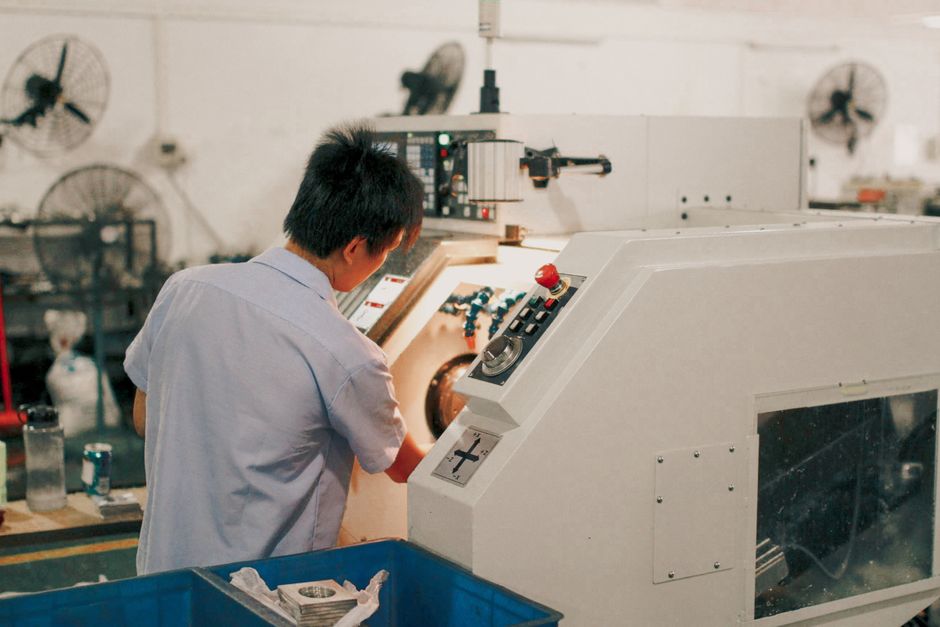
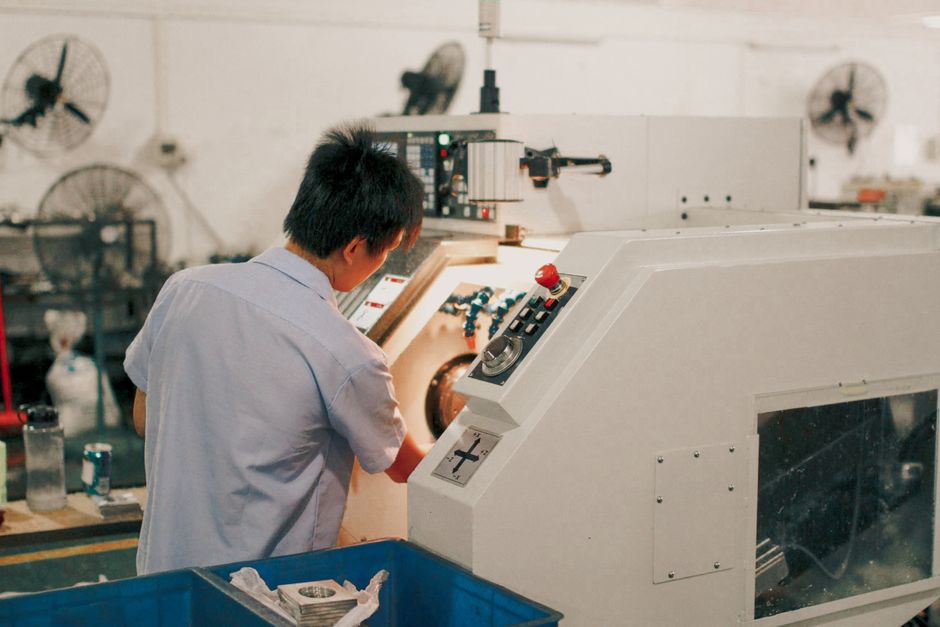
Operators must first understand the key parts of a nail making machine: wire straightening unit, feeding mechanism, cutting die, heading die, and discharge system. Each component plays a vital role in producing consistent nails. Training should include hands-on identification and explanation of how adjustments affect nail quality.
Safety Protocols and PPE
Safety is paramount. Operators should be trained on emergency stop procedures, lockout/tagout, and proper use of personal protective equipment (PPE) such as safety glasses, gloves, and hearing protection. Regular safety drills reinforce these practices.
Step-by-Step Operation Training
Machine Setup and Calibration
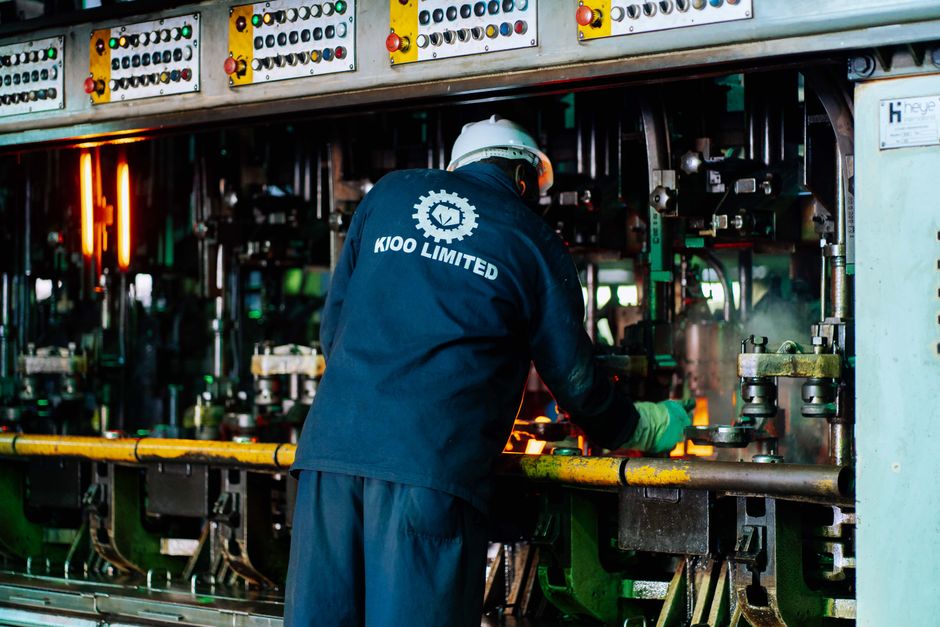
Teach operators how to select the correct wire diameter, set the feed length, and adjust the cutting and heading dies. Calibration ensures nail dimensions meet specifications. Use a checklist to verify settings before production runs.
Material Handling and Feeding
Proper wire coil loading and threading through the straightener prevent jams. Operators should learn to monitor tension and detect wire defects. Emphasize the importance of clean, rust-free wire for optimal performance.
Quality Control Checks
Train operators to measure nail length, head diameter, and point angle using calipers and gauges. Set acceptable tolerance ranges and establish a sampling frequency. Implement a pass/fail system to catch defects early.
Advanced Troubleshooting Techniques
Common Issues and Solutions
| Issue | Cause | Solution |
|---|---|---|
| Nail head cracking | Excessive heading pressure | Reduce die pressure; check die alignment |
| Inconsistent length | Feed roller slippage | Tighten feed rollers; clean debris |
| Wire jamming | Bent wire or worn straightener | Replace straightener rollers; check wire quality |
| Poor point shape | Dull cutting die | Sharpen or replace cutting die |
Preventive Maintenance
Daily lubrication, cleaning, and inspection of wear parts extend machine life. Create a maintenance schedule covering tasks like oil changes, belt tensioning, and die replacement. Operators should log maintenance activities.
Efficiency and Productivity Tips
- Optimize machine speed based on nail size and material hardness.
- Batch similar orders to reduce changeover time.
- Use quick-change die sets for faster product switches.
- Implement real-time monitoring systems to track output and downtime.
Building a Training Program
Training Materials and Documentation
Provide manuals, video tutorials, and quick-reference cards. Include machine-specific diagrams and troubleshooting flowcharts. Update materials as machine upgrades occur.
Hands-On Practice and Assessment
Combine classroom theory with practical sessions. Assess operators through written tests and practical demonstrations. Certify operators after successful completion, and offer refresher courses annually.
Conclusion
Investing in thorough nail making machine training pays off through higher productivity, fewer defects, and safer operations. By equipping your clients' operators with these skills, you enhance your reputation as a reliable partner in foreign trade. Encourage continuous learning and provide ongoing support to ensure long-term success.