
Introduction
Air compressors are vital equipment in many industries, from manufacturing to construction. For export buyers, sourcing the right spare parts is crucial to maintain performance, reduce downtime, and extend equipment life. This guide covers everything you need to know about essential air compressor spare parts, including selection tips, quality checks, and supplier considerations.
1. Air Filter
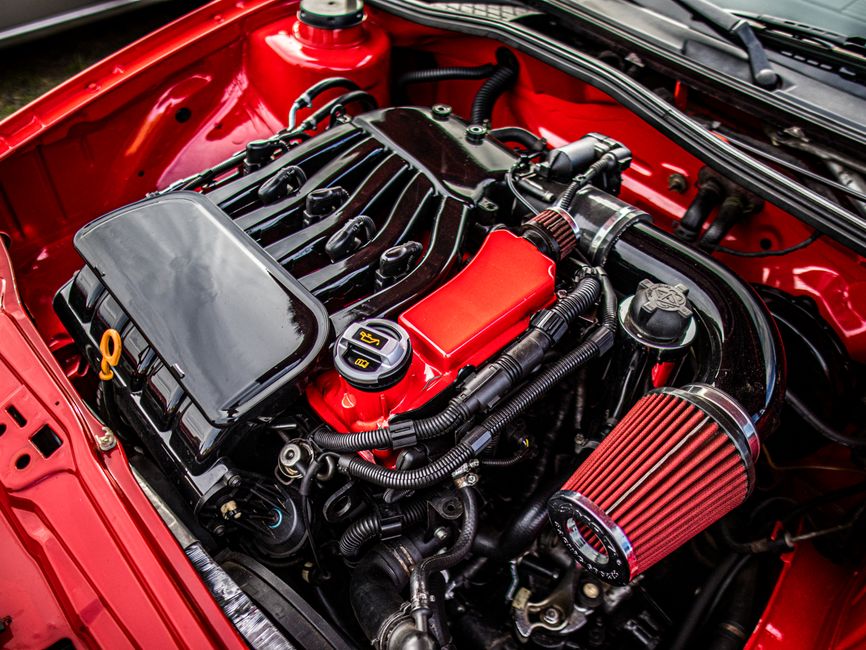
The air filter prevents dust and debris from entering the compressor system. A clogged filter reduces efficiency and can cause damage. Export buyers should choose filters with high dust-holding capacity and proper micron rating. Replace every 500-1000 hours or as recommended.
2. Oil Filter
Oil filters remove contaminants from lubricating oil, ensuring smooth operation and long compressor life. Use OEM or high-quality aftermarket filters. Check bypass valve setting and filtration efficiency. Change oil filter every oil change interval.
3. Separator Element
The oil separator removes oil from compressed air. A faulty separator leads to oil carryover, contaminating downstream equipment. Look for low pressure drop and high separation efficiency. Replace annually or after 2000-3000 hours.
4. Intake Valve
The intake valve controls air intake and unloads the compressor. Common types include butterfly, poppet, and slide valves. Ensure compatibility with your compressor model. Regular inspection prevents leaks and ensures proper load/unload cycling.
5. Pressure Relief Valve
Safety-critical component that protects against overpressure. Must meet local regulations and have correct set pressure. Test periodically and replace if stuck or leaking.
6. Check Valve
Prevents backflow of compressed air. Essential for system integrity. Choose durable materials like brass or stainless steel. Check for proper seating and sealing.
7. Gaskets and Seals
Prevent leaks in joints and connections. Use materials compatible with oil and temperature. Common types: O-rings, flat gaskets, lip seals. Replace during major overhauls.
8. Belts and Pulleys
For belt-driven compressors, belts transmit power from motor to pump. Inspect for wear, tension, and alignment. Replace in sets. Use OEM or high-quality replacements.
9. Motor Bearings
Electric motor bearings support rotating parts. Worn bearings cause noise and vibration. Use sealed or shielded bearings with proper grease. Replace when noise or play is detected.
10. Cooling System Parts
Includes fans, radiators, and coolant. Overheating reduces efficiency. Clean fins regularly and check coolant levels. Replace damaged fans or clogged radiators.
Quality Considerations for Export Buyers
- Certifications: Look for ISO 9001, CE, ASME, or other relevant standards.
- Material Quality: Ensure parts are made from corrosion-resistant materials suitable for your environment.
- Supplier Reputation: Choose established suppliers with good reviews and after-sales support.
- Warranty: Prefer parts with at least 12-month warranty.
- Packaging: Proper packaging for long-distance shipping to prevent damage.
Maintenance Tips
- Follow manufacturer's maintenance schedule.
- Keep a log of part replacements and inspections.
- Use genuine parts for critical components.
- Train maintenance staff on proper installation.
- Stock critical spares to minimize downtime.
Conclusion
Investing in high-quality air compressor spare parts is essential for export buyers to ensure reliable operation and long equipment life. By understanding the key components and following best practices, you can optimize performance and reduce total cost of ownership. Always partner with trusted suppliers and prioritize quality over price.