
Introduction to High-Pressure Air Compressors
High-pressure air compressors are essential in industrial applications where standard compressors fall short. They generate compressed air at pressures typically ranging from 100 to over 5000 psi, enabling operations that require extreme force, precision, or specialized gas handling. This guide explores their working principles, key applications, and selection criteria for B2B buyers.
How High-Pressure Compressors Work
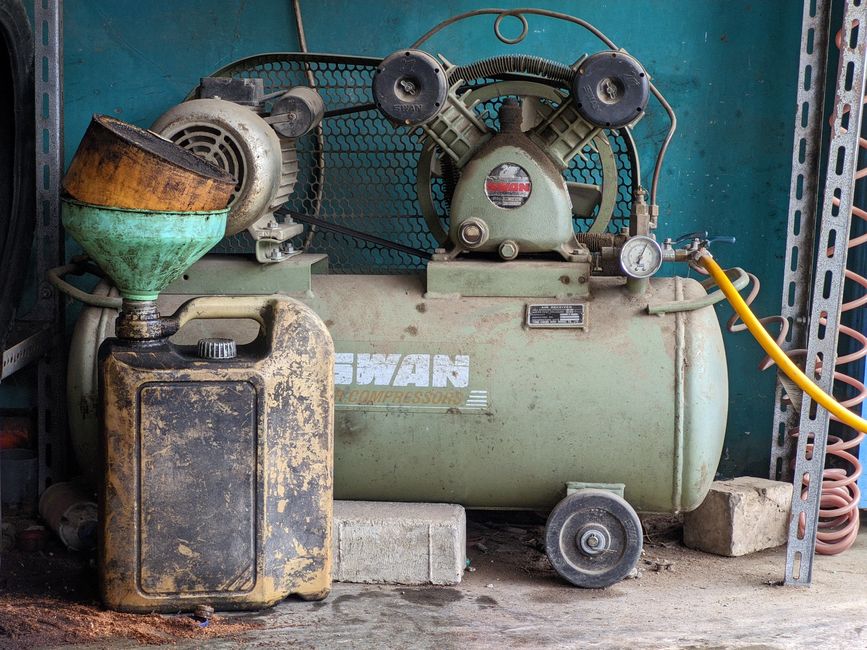
Unlike low-pressure units, high-pressure compressors use multi-stage compression. Air is compressed in stages, with intercooling between stages to manage heat and improve efficiency. The final stage achieves the desired high pressure. Common designs include reciprocating piston compressors and diaphragm compressors, each suited for different purity and pressure needs.
Reciprocating Piston Compressors
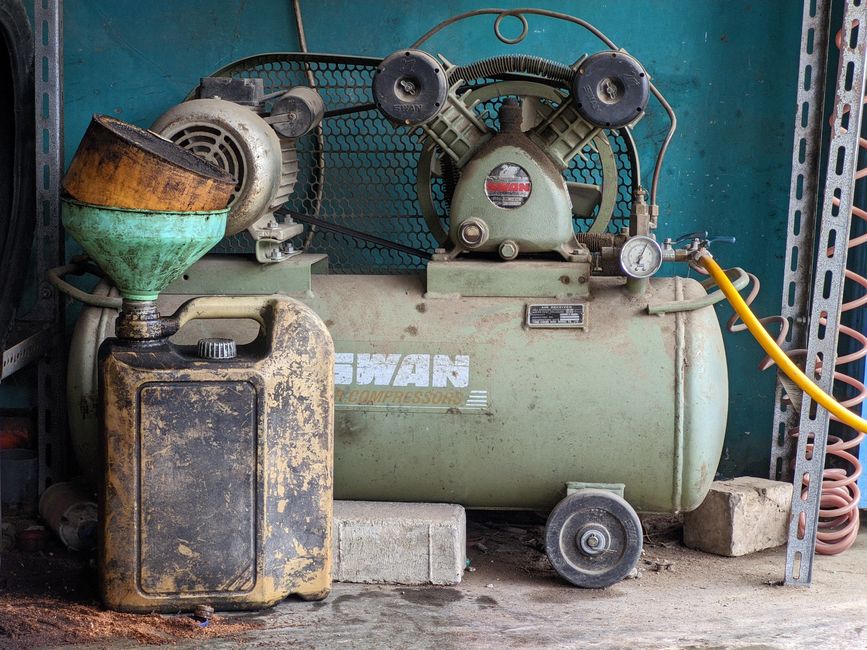
These are the most common for high-pressure applications. They use pistons driven by a crankshaft to compress air in cylinders. Multi-stage versions can reach up to 5000 psi. They are robust but require regular maintenance of valves and rings.
Diaphragm Compressors
For applications requiring oil-free air, diaphragm compressors use a flexible membrane to compress gas. They achieve high purity and are ideal for breathing air or food processing, though typically limited to lower flow rates.

Key Industrial Applications
High-pressure air compressors serve diverse industries. Below is a table summarizing common uses:
| Industry | Application | Pressure Range (psi) |
|---|---|---|
| Oil & Gas | Pipeline testing, gas injection | 2000-5000 |
| Manufacturing | Pneumatic tools, pressurizing systems | 100-1000 |
| Medical | Breathing air, ventilators | 2000-3000 |
| Diving | Scuba tank filling | 3000-4500 |
| Food & Beverage | Carbonation, packaging | 100-200 |
Selecting the Right Compressor
Choosing a high-pressure compressor requires evaluating several factors:
- Pressure Requirement: Determine the maximum psi needed for your application. Oversizing increases cost and energy use.
- Flow Rate: Measured in CFM (cubic feet per minute). Match to your tool or process demand.
- Air Quality: Consider oil-free vs. lubricated. For breathing or food, oil-free is mandatory.
- Duty Cycle: Continuous operation requires heavy-duty models with robust cooling.
- Power Source: Electric vs. diesel. Electric is cleaner; diesel suits remote sites.
Practical Tips for Buyers
- Always request a performance curve from the manufacturer to verify output at required pressure.
- Inspect the cooling system: air-cooled is simpler, water-cooled is more efficient for high heat loads.
- Check for compliance with ISO 8573 for air purity standards if needed.
- Plan for maintenance access: high-pressure compressors need frequent valve and seal checks.
Maintenance Best Practices
Proper maintenance extends compressor life and ensures safety. High-pressure systems pose risks if neglected.
- Change oil and filters per manufacturer schedule (typically 500-1000 hours).
- Inspect safety relief valves monthly to prevent overpressure accidents.
- Drain condensate daily from intercoolers and receivers to avoid corrosion.
- Monitor vibration and temperature; abnormal readings indicate wear.
- Keep a log of operating hours and maintenance actions for warranty compliance.
Safety Considerations
High-pressure air can be dangerous. Follow these guidelines:
- Install pressure relief valves on all receivers and downstream equipment.
- Use proper piping rated for maximum pressure.
- Never exceed the compressor's rated pressure.
- Provide adequate ventilation for heat dissipation.
- Train operators on emergency shutdown procedures.
Conclusion
High-pressure air compressors are vital in many industrial settings. By understanding your pressure, flow, and quality needs, and by following maintenance and safety protocols, you can achieve reliable operation. For B2B buyers, partnering with a reputable manufacturer ensures custom solutions and ongoing support. Evaluate your application carefully and invest in quality equipment for long-term productivity.