
 English
 简体中文
简体中文 Русский
 Español
 لالعربية

Introduction: Why Material Matters for Baby Cloth Dolls
When choosing a baby cloth doll toy, the material is just as important as the design. Babies explore the world through touch, and their sensitive skin demands softness, safety, and durability. Two of the most popular options are cotton and fleece. But which one is better for your little one? In this article, we compare cotton and fleece across key factors like softness, breathability, durability, ease of cleaning, safety, and cost. We'll also provide a clear recommendation to help you make an informed decision.
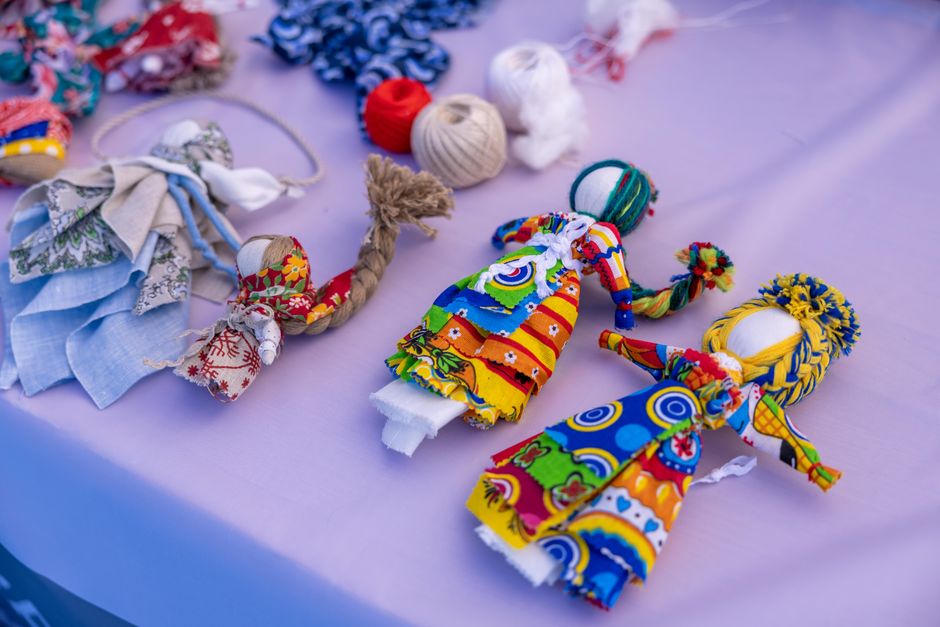
Overview of Cotton and Fleece
Cotton
Cotton is a natural fiber harvested from the cotton plant. It is breathable, hypoallergenic, and gentle on a baby's skin. Cotton dolls often have a classic, handmade look and feel. They can be woven or knit, and organic cotton is increasingly popular for its eco-friendly and pesticide-free properties.
Fleece
Fleece is a synthetic fabric made from polyester. It is known for its plush, velvety texture and excellent insulation. Fleece dolls are incredibly soft and cuddly, often resembling stuffed animals. They are lightweight, quick-drying, and resistant to wrinkles and shrinking.
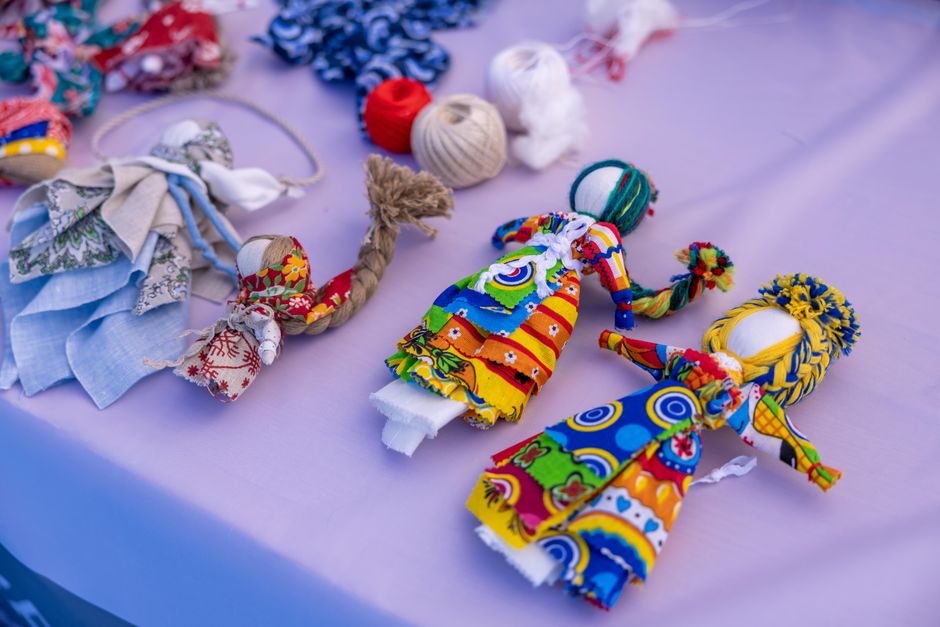
Comparison Table: Cotton vs Fleece
| Feature | Cotton | Fleece |
|---|---|---|
| Softness | Soft, but may feel rougher after multiple washes | Extremely soft and plush, retains softness well |
| Breathability | Highly breathable, ideal for warm climates | Less breathable, can trap heat |
| Durability | Durable if well-made, but can pill over time | Very durable, resists pilling and fading |
| Ease of Cleaning | Machine washable, may shrink if not pre-shrunk | Machine washable, quick-drying, resists stains |
| Hypoallergenic | Yes, especially organic cotton | Generally yes, but some babies may be sensitive to synthetic fibers |
| Safety | Natural, no harmful chemicals if organic | Must be checked for flame retardants and dyes |
| Cost | Moderate to high (organic is pricier) | Low to moderate |
| Eco-Friendliness | Biodegradable, sustainable if organic | Not biodegradable, made from petroleum |
Detailed Analysis
Softness and Comfort
Fleece wins in the softness category. Its synthetic fibers create a plush, fuzzy surface that babies love to snuggle. Cotton, while soft, can become slightly stiff after repeated washing unless it's a high-quality, long-staple variety. However, some babies prefer the cool, smooth feel of cotton, especially in hot weather.
Breathability and Temperature Regulation
Cotton is highly breathable, allowing air to circulate and keeping your baby cool. This makes it an excellent choice for summer or for babies who tend to overheat. Fleece, on the other hand, is insulating and can trap heat. While great for winter, it may cause discomfort in warm environments.
Durability and Longevity
Fleece is more durable than cotton. It resists pilling, fading, and shrinking, and it holds its shape well over time. Cotton can pill and may shrink if not pre-shrunk, but high-quality cotton dolls can last for years with proper care. Both materials can withstand regular machine washing, but fleece dries faster.
Hypoallergenic Properties
Cotton is naturally hypoallergenic and dust-mite resistant, making it a safe choice for babies with allergies or eczema. Fleece is generally hypoallergenic, but some babies may be sensitive to synthetic fibers or the dyes used in production. Always check for certifications like OEKO-TEX if you choose fleece.
Safety Considerations
Both materials can be safe, but cotton has a natural advantage: it doesn't require chemical flame retardants. Fleece, being synthetic, may be treated with flame retardants or other chemicals. Look for fleece dolls labeled as non-toxic and free from harmful substances. Also, ensure that any embellishments (buttons, eyes) are securely attached.
Ease of Cleaning
Both cotton and fleece dolls are typically machine washable. However, fleece dries much faster and resists stains better. Cotton may need more careful washing to avoid shrinkage and can take longer to dry. For busy parents, fleece is more convenient.
Cost and Value
Fleece dolls are generally more affordable than cotton dolls, especially organic cotton ones. However, cotton dolls often have a higher perceived value due to their natural, handmade aesthetic. If budget is a concern, fleece offers good value, but cotton can be a worthwhile investment for longevity and eco-friendliness.
Environmental Impact
Cotton, especially organic, is biodegradable and renewable. Conventional cotton uses pesticides, but organic cotton avoids them. Fleece is made from polyester, a petroleum-based plastic that does not biodegrade and contributes to microplastic pollution. For eco-conscious parents, cotton is the clear winner.
Recommendation
There is no one-size-fits-all answer, but based on the comparison, we recommend the following:
- Choose cotton if: You prioritize breathability, natural materials, hypoallergenic properties, and eco-friendliness. Cotton is ideal for babies with sensitive skin or allergies, and for warmer climates. It's also a better choice if you want a doll that can be passed down.
- Choose fleece if: You want maximum softness and cuddliness, durability, and easy care. Fleece is perfect for winter, for babies who love plush textures, and for parents looking for an affordable, low-maintenance option.
For most families, a cotton doll for daytime play and a fleece doll for bedtime comfort could be the perfect combination. Ultimately, consider your baby's needs, the climate, and your values to make the best choice.
Conclusion
Both cotton and fleece have their merits. Cotton offers breathability, naturalness, and eco-friendliness, while fleece provides unmatched softness, durability, and convenience. By understanding the differences, you can select a baby cloth doll toy that is safe, comfortable, and loved for years to come. Always check for safety certifications and wash the doll before giving it to your baby. Happy cuddling!
Ask us anything about design, materials, safety or shipping — we answer personally.