
 English
 简体中文
简体中文 Русский
 Español
 لالعربية
Introduction: The Great Doll Debate
When it comes to choosing the perfect doll for your baby or toddler, parents often face a tough decision: should you go with a traditional baby cloth doll toy or a plastic doll? Both have their merits, but they cater to different needs and stages of development. In this comprehensive comparison, we'll analyze multiple options—cloth dolls, plastic dolls, and even hybrid designs—to help you make an informed choice. We'll examine safety, durability, developmental benefits, and more, so you can decide which is better for your little one.
What Is a Baby Cloth Doll Toy?
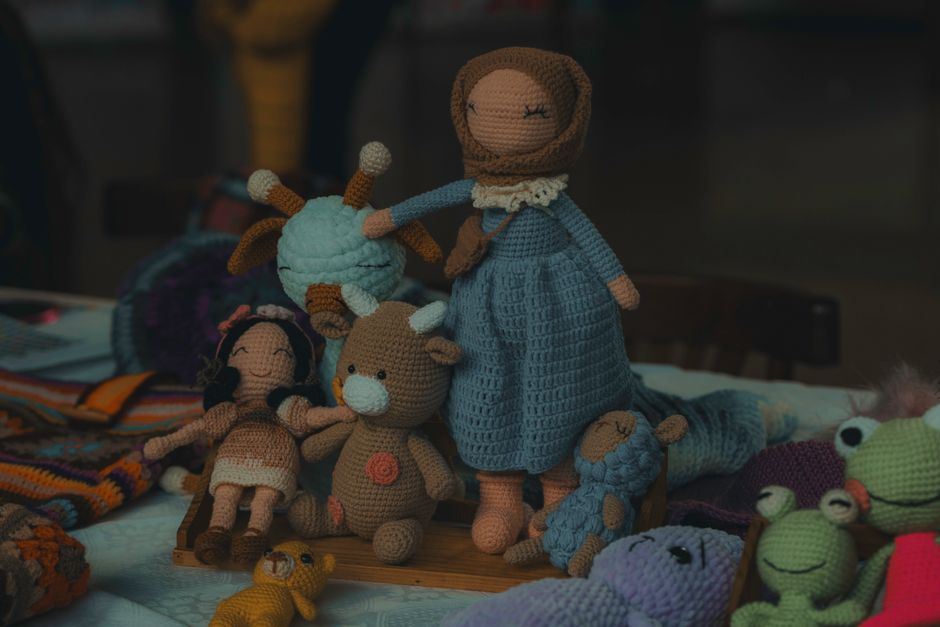
A baby cloth doll toy is typically made from soft fabrics like cotton, fleece, or organic linen. These dolls are stuffed with hypoallergenic materials, making them lightweight and huggable. They often have embroidered or printed facial features instead of plastic parts, reducing choking hazards. Cloth dolls are machine washable, which is a huge plus for parents dealing with spit-up, drool, and spills.
Key Features of Cloth Dolls
- Soft, plush texture that's gentle on a baby's skin
- No hard parts, making them safe for infants
- Machine washable and easy to clean
- Lightweight and easy for small hands to grasp
- Often made from organic or natural materials
What Is a Plastic Doll?
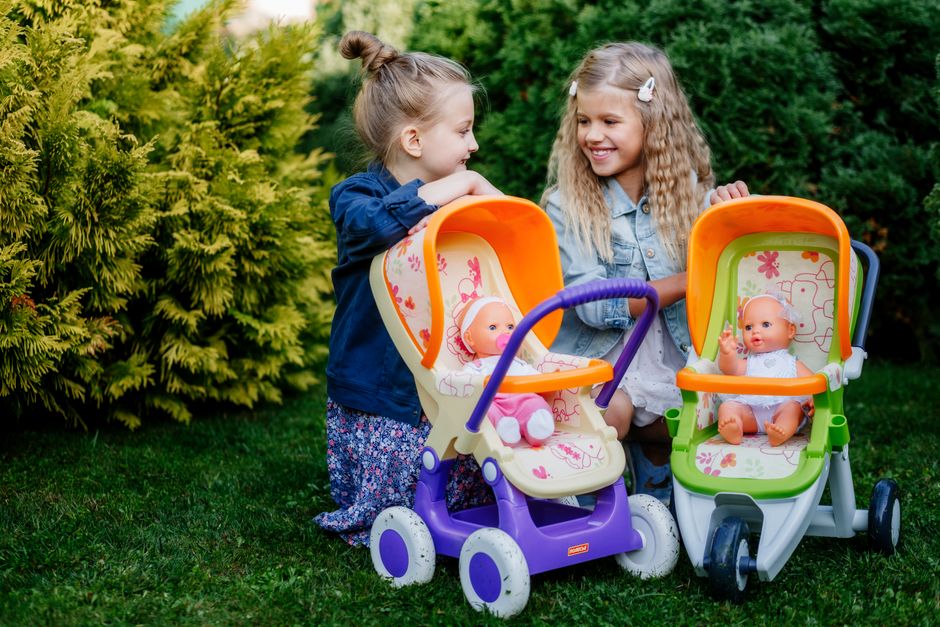
Plastic dolls are the classic toy store staple. They have hard bodies, rooted hair, and often come with accessories like bottles, diapers, and outfits. They can be made from vinyl, polyethylene, or other plastics. While they offer realistic features and more interactive play for older children, they may not be suitable for babies due to small parts and harder surfaces.
Key Features of Plastic Dolls
- Durable and long-lasting
- Realistic details and movable limbs
- Often come with accessories for imaginative play
- Easy to wipe clean
- Available in a wide range of sizes and styles
Comparison: Baby Cloth Doll Toy vs Plastic Doll
To make the decision easier, let's compare these two types of dolls across several important factors.
| Factor | Baby Cloth Doll Toy | Plastic Doll |
|---|---|---|
| Safety for Babies | Excellent – no hard parts, no small pieces | Moderate – may have small parts, harder surfaces |
| Durability | Good – can wear out with heavy use | Excellent – withstands rough play |
| Washability | Machine washable | Surface wash only |
| Developmental Benefits | Promotes sensory exploration, comfort | Encourages role-play, fine motor skills |
| Age Range | 0–3 years | 3+ years |
| Eco-Friendliness | Often biodegradable, organic options | Plastic – less eco-friendly |
| Cost | Generally affordable | Varies widely, often pricier with accessories |
Safety Considerations
Safety is the top priority for any baby toy. Cloth dolls are inherently safer for infants because they have no detachable parts. Plastic dolls, on the other hand, may have small accessories like shoes or hair clips that can pose choking hazards. Additionally, some plastic dolls may contain phthalates or BPA, though reputable brands now offer phthalate-free options. For babies under 3, cloth dolls are the clear winner.
Developmental Benefits
Both types of dolls offer developmental advantages, but they differ in focus. Cloth dolls provide tactile stimulation and comfort, which is crucial for emotional development. They become a lovey or security object. Plastic dolls, meanwhile, are better for pretend play as children grow. They allow kids to mimic caregiving, dress the doll, and create stories. So, while cloth dolls are ideal for babies, plastic dolls shine for preschoolers.
Durability and Maintenance
Plastic dolls are champions of durability. They can be dropped, dragged, and left in the sun without losing shape. However, they can crack or fade over time. Cloth dolls, while sturdy, may develop loose seams or stuffing shifts. But their washability is a game-changer—just toss them in the washing machine. Plastic dolls require meticulous cleaning, especially in crevices where bacteria can grow.
Environmental Impact
If you're eco-conscious, cloth dolls are the better choice. Many are made from organic cotton or recycled materials and are biodegradable. Plastic dolls contribute to landfill waste and are made from non-renewable resources. Some brands offer recycled plastic dolls, but they still have a larger carbon footprint than cloth.
Cost Comparison
Cloth dolls are generally more budget-friendly, with prices ranging from $10 to $40. Plastic dolls can start at $10 but quickly climb to $100+ for collectible or interactive versions. Accessories also add up. For budget-minded parents, cloth dolls offer great value.
Which Is Better? Our Recommendation
There's no one-size-fits-all answer, but we recommend a two-stage approach:
- For babies (0–2 years): Choose a baby cloth doll toy. It's safe, soft, washable, and provides comfort.
- For toddlers (2–5 years): Introduce a plastic doll to encourage imaginative play and fine motor skills.
If you want a single doll that grows with your child, consider a cloth doll with removable clothes or a hybrid doll with a soft body and plastic head. But for the baby stage, cloth is undeniably better.
Final Thoughts
Both baby cloth doll toys and plastic dolls have their place. Cloth dolls win on safety, washability, and eco-friendliness, making them perfect for infants. Plastic dolls offer durability and interactive play for older children. By understanding your child's age and needs, you can choose the best option. Remember, the ideal toy is one that sparks joy and supports development—and both types can do that when chosen wisely.
Ask us anything about design, materials, safety or shipping — we answer personally.