
 English
 简体中文
简体中文 Русский
 Español
 لالعربية
Baby Cloth Doll Toys That Boost Sensory Development
Discover how baby cloth doll toys boost sensory development. Learn features, safety tips, and age-by-age advice to choose the best soft doll for your baby.

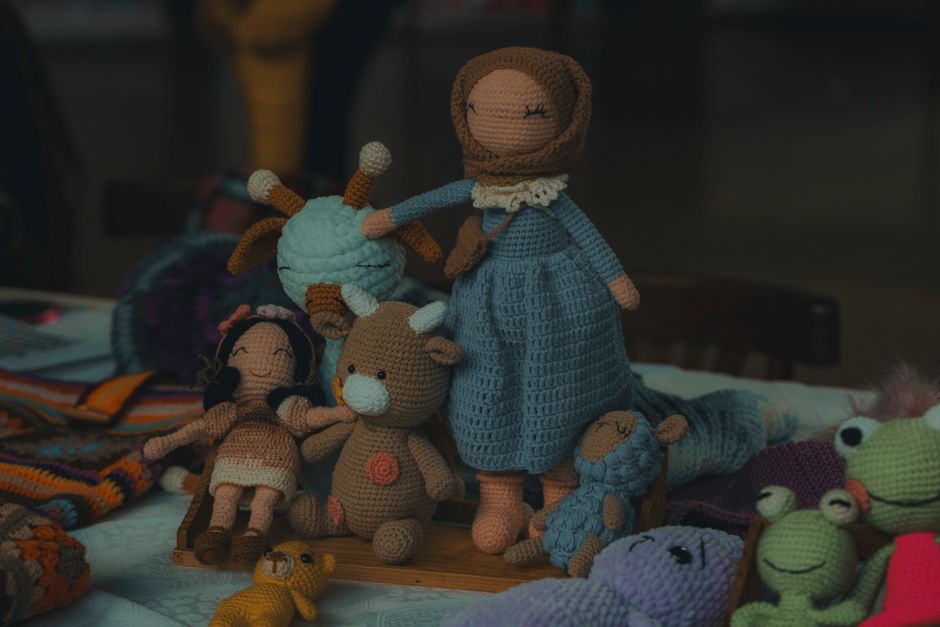
Why Baby Cloth Doll Toys Are a Sensory Powerhouse
From the moment a newborn wraps tiny fingers around a soft fabric arm, sensory learning begins. Baby cloth doll toys are more than cute companions — they are carefully designed tools that stimulate touch, sight, sound, and even smell. Unlike hard plastic figures, cloth dolls offer a gentle, huggable experience that supports the rapid brain development happening in the first three years of life.
In this guide, we will explore how cloth dolls boost sensory development, what features to look for, and how to choose the right doll for each stage of your baby's growth.

Understanding Sensory Development in Babies
Sensory development refers to the way a child's brain learns to receive, process, and respond to information from the five senses. During infancy, neural pathways form at an astonishing rate — roughly one million connections per second in the early months. Each new texture, sound, and color helps strengthen these pathways.
The Five Senses and Cloth Dolls
- Touch: Cloth dolls expose babies to varied fabrics such as cotton, fleece, corduroy, and satin. Each texture sends different signals to the brain.
- Sight: High-contrast faces, embroidered eyes, and soft pastel palettes support visual tracking and color recognition.
- Sound: Built-in rattles, crinkle paper, or squeakers teach cause and effect — squeeze the doll, hear a sound.
- Smell: Some cloth dolls include lavender sachets or are made from naturally scented organic cotton, offering calming olfactory input.
- Taste: Safe, teether-friendly fabric corners let babies explore with their mouths, which is a normal and important part of sensory learning.
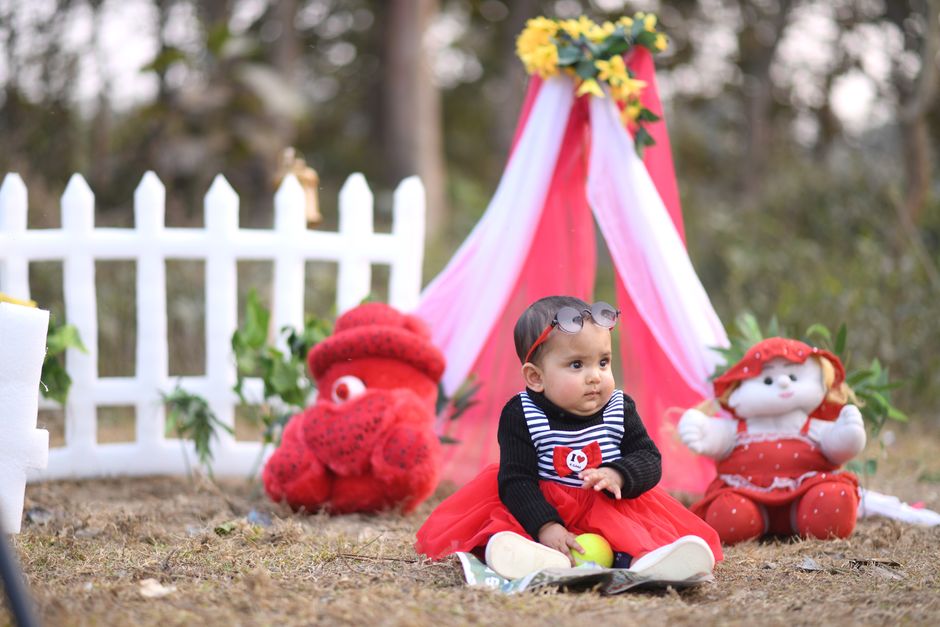
Key Features of Sensory-Boosting Cloth Dolls
Not all cloth dolls are created equal. When shopping for a sensory doll, look for these design elements:
| Feature | Sensory Benefit | Best Age |
|---|---|---|
| Multiple fabric textures | Develops tactile discrimination | 0–6 months |
| Crinkle sounds | Encourages auditory tracking | 3–9 months |
| High-contrast patterns | Supports visual focus | 0–4 months |
| Rattle inserts | Teaches cause and effect | 4–12 months |
| Teether corners | Soothes gums, oral exploration | 5–18 months |
| Detachable accessories | Fine motor practice | 12–24 months |
How Cloth Dolls Support Cognitive and Emotional Growth
Sensory development does not happen in isolation. When a baby cuddles a cloth doll, they also build emotional security and early social skills. The soft weight of the doll against the chest can mimic the feeling of being held, reducing stress hormones like cortisol.
Object Permanence and Attachment
Around 8 months, babies begin to understand object permanence — the idea that things exist even when out of sight. A cloth doll that reappears during peek-a-boo games reinforces this concept. Later, the same doll may become a transitional object, offering comfort during separation from parents.
Language and Imaginative Play
By 18 months, toddlers start babbling to their dolls, naming body parts, and mimicking caregiving. This early pretend play is linked to stronger language acquisition and empathy skills.
Choosing the Right Cloth Doll for Each Stage
0–6 Months: Gentle Exploration
Choose lightweight dolls with soft, undyed organic cotton and minimal embellishments. Avoid small parts that could detach. Black-and-white or red-and-white patterns are ideal for newborn eyes.
6–12 Months: Active Discovery
This is the age of grabbing, shaking, and chewing. Look for dolls with crinkle wings, knotted limbs, and BPA-free teether rings. The doll should be machine washable because it will end up in your baby's mouth daily.
12–24 Months: Interactive Play
Toddlers enjoy dolls with removable hats, shoes, or velcro accessories. These build fine motor skills and introduce dressing routines. Consider a doll with a soft body and a slightly weighted bottom so it can sit upright during play.
24–36 Months: Imaginative Role Play
At this stage, the cloth doll becomes a character in your child's stories. Choose dolls with expressive faces and simple clothing that toddlers can take on and off independently.
Practical Tips for Maximizing Sensory Benefits
- Rotate dolls: Keep two or three cloth dolls in rotation to prevent sensory habituation.
- Talk through textures: Say "soft," "bumpy," and "smooth" as your baby touches the doll. This builds vocabulary alongside sensory awareness.
- Play sound games: Shake the doll's rattle and pause. Wait for your baby to react, then shake again. This teaches anticipation.
- Wash regularly: Use fragrance-free, baby-safe detergent to protect sensitive skin and preserve fabric texture.
- Supervise mouthing: Even safe fabrics should be checked for loose threads or buttons that could come off.
Safety Standards to Check Before Buying
Always verify that a cloth doll meets safety certifications such as ASTM F963 (US), EN 71 (Europe), or equivalent local standards. Embroidered features are safer than plastic eyes or buttons for babies under three. Check seams for durability, and avoid dolls with long ribbons or cords that pose a strangulation risk.
DIY Sensory Cloth Dolls: A Budget-Friendly Option
If you enjoy crafting, a homemade cloth doll lets you customize every sensory element. Use a sewing machine or hand-stitch a simple pattern, then add:
- A crinkle layer made from a clean chip bag sealed inside the fabric
- A small bell or rattle inserted in the head
- Different fabric patches on the body for texture variety
- Embroidery floss for safe, secure facial features
Always test small parts by tugging firmly, and wash the finished doll before giving it to your baby.
Common Mistakes Parents Make
Even well-meaning parents can overlook sensory needs. Avoid these pitfalls:
- Buying dolls that are too large or heavy for tiny hands
- Choosing dolls with overwhelming lights and loud electronic sounds, which can overstimulate rather than soothe
- Ignoring your baby's cues — if they turn away, the doll may be too intense for now
- Forgetting to clean the doll, which can harbor bacteria and allergens
Frequently Asked Questions
At what age can a baby use a cloth doll?
Cloth dolls are safe from birth, provided they have no detachable small parts. Newborns enjoy the soft texture, while older babies interact more actively.
Are cloth dolls better than plastic dolls for sensory development?
Cloth dolls excel at tactile and emotional sensory input, while plastic dolls may offer more rigid features. For babies, cloth is generally the better choice because it is soft, lightweight, and washable.
How many cloth dolls does a baby need?
One or two high-quality sensory dolls are enough. Rotating them keeps the experience fresh and prevents boredom.
Final Thoughts
Baby cloth doll toys are simple, affordable, and remarkably effective at nurturing sensory development. By choosing dolls with varied textures, gentle sounds, and safe construction, you give your baby a daily invitation to explore the world through touch, sight, and sound. Whether store-bought or handmade, the right cloth doll can become a beloved companion that grows with your child — one snuggle at a time.
Share your market, quantities and packaging idea — we reply with a sample plan and timeline.