
 English
 简体中文
简体中文 Русский
 Español
 لالعربية
1. The Craft Behind Every Stitch: What Makes Handmade Baby Cloth Doll Toys Special
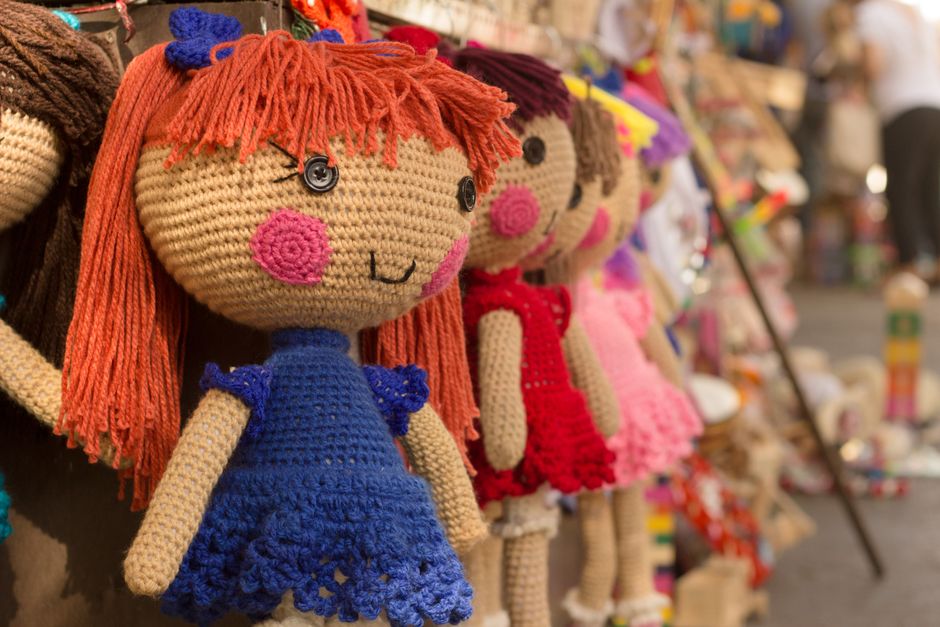
Handmade baby cloth doll toys are more than just playthings. Each one begins as a sketch on paper, then becomes a pattern cut from soft fabric, and finally takes shape through hours of careful stitching. Unlike mass-produced plastic toys that roll off an assembly line, every handmade cloth doll carries the fingerprint of the person who made it — quite literally, since artisans shape, stuff, and sew each doll by hand.
This level of craftsmanship matters for babies. Handmade dolls are typically made from natural materials like cotton, linen, and wool felt, which are gentle on a newborn's sensitive skin. Artisans often use organic fabrics and non-toxic, water-based dyes, reducing the risk of irritation or exposure to harsh chemicals. The result is a toy that is safe to cuddle, chew, and drag everywhere.
When you choose a handmade cloth doll, you are also choosing a toy with slight variations — a crooked smile, a slightly different fabric pattern, a unique embroidered name. These small imperfections are proof of human hands at work, and they make each doll a one-of-a-kind keepsake that can be passed down through generations.
2. Why Supporting Artisans Matters for Families and Communities
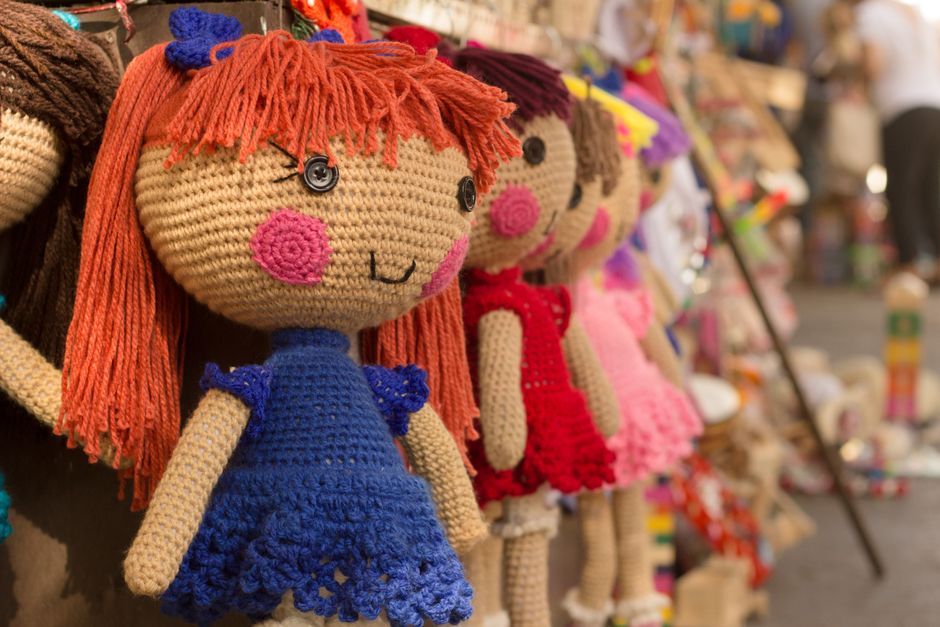
Buying handmade baby cloth doll toys directly supports artisans, many of whom are parents working from home studios or small workshops. For these makers, each order translates into fair pay, flexible working hours, and the ability to care for their families while doing work they love. Unlike factory workers who may be paid by the piece under difficult conditions, independent artisans set their own prices and pace.
Supporting artisans also keeps traditional textile skills alive. Embroidery, appliqué, quilting, and hand-stuffing techniques have been passed down for generations in many cultures. When demand for handmade goods grows, these skills are valued and taught to new makers rather than disappearing.
There is a ripple effect as well. Artisan-run businesses often source fabric from local suppliers, use eco-friendly packaging, and reinvest in their communities. By choosing a handmade doll over a cheap imported alternative, you cast a vote for a more humane and sustainable toy industry.
3. How to Identify Genuinely Handmade Baby Cloth Doll Toys
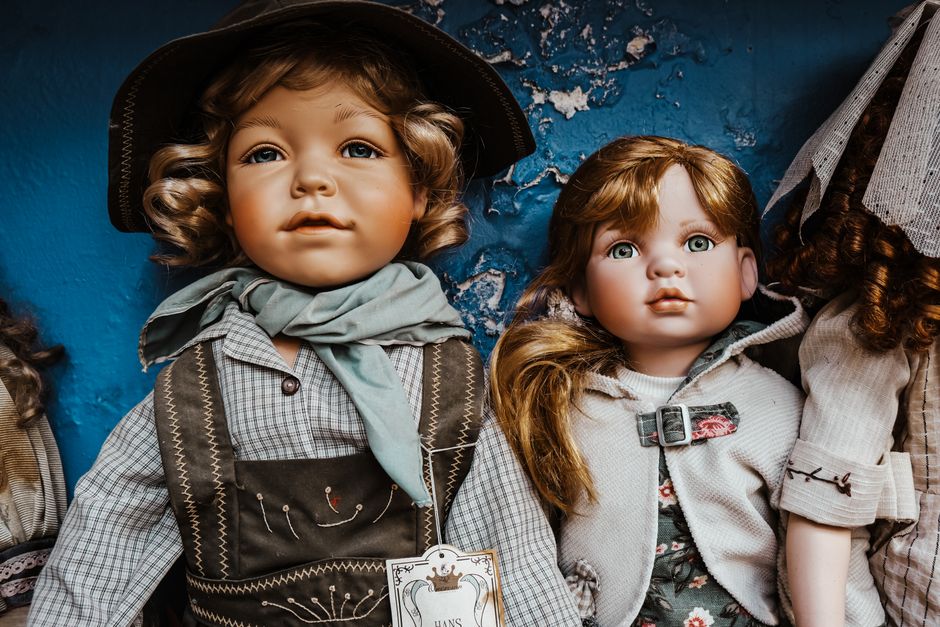
Not every product labeled "handmade" lives up to the word. To find authentic artisan-made dolls, look for sellers who share photos of their workspace, describe their materials in detail, and explain their process. A true handmade seller will happily tell you which fabric they used, how the doll is stuffed, and whether it is machine-washable.
Check the stitching. Hand-sewn dolls often show slightly uneven, characterful stitches, especially around the face and limbs. Look for embroidered features rather than plastic eyes or buttons, which can be choking hazards for babies. Safe handmade dolls use stitched or embroidered facial details and securely attached limbs.
Read reviews and ask questions. Genuine artisans welcome inquiries about safety, materials, and care instructions. If a seller cannot answer basic questions about how the doll was made, that is a red flag. Trust your instincts — a real maker is proud to talk about their craft.
4. Materials That Make Handmade Dolls Baby-Safe
The best handmade baby cloth dolls use materials chosen with infants in mind. Cotton and bamboo blends are breathable and soft, while wool felt adds warmth and durability. Organic fabrics certified by standards like GOTS give extra peace of mind because they are grown and processed without harmful pesticides.
Stuffing matters too. High-quality dolls use hypoallergenic polyester fiberfill or natural wool, both of which hold their shape after washing. Avoid dolls stuffed with foam beads or loose pellets, which can shift and create lumps. For babies, a firmly but gently stuffed doll is easiest to grasp and cuddle.
Dyes and embellishments should be non-toxic and firmly attached. Water-based, azo-free dyes are a good sign. Any ribbons, tags, or appliqués should be sewn down securely, not glued, since glue can loosen over time and become a choking risk.
5. The Environmental Benefits of Choosing Cloth Over Plastic
Plastic toys dominate the market, but they come with a heavy environmental cost. They are made from petroleum, often packaged in more plastic, and can take centuries to break down. Handmade cloth dolls offer a gentler alternative. They are typically made from renewable fibers, use minimal packaging, and can be repaired rather than replaced.
Many artisans go further by using fabric scraps from other projects, upcycling old textiles, or offering repair services. A cloth doll with a loose seam can be stitched back together in minutes, while a broken plastic toy usually ends up in the trash. This repairability extends a doll's life for years, sometimes decades.
Choosing handmade also reduces the carbon footprint associated with long-distance shipping and mass production. Small-batch makers often ship locally or use compostable mailers, keeping the entire lifecycle of the toy kinder to the planet.
6. How to Care for a Handmade Baby Cloth Doll
Handmade dolls are durable, but they need gentle care. Always check the maker's washing instructions first. Most cloth dolls can be hand-washed in cool water with mild, fragrance-free detergent, then air-dried away from direct sunlight. Machine washing is possible for some dolls, but place them in a pillowcase or laundry bag to protect delicate stitching.
Spot-clean small messes with a damp cloth rather than washing the whole doll. For stuffed dolls, squeeze gently rather than wringing, which can distort the shape. Reshape the doll while it is damp and let it dry fully before giving it back to your baby.
Inspect the doll regularly for loose threads, worn fabric, or weakened seams. A quick repair with a needle and thread can prevent small problems from becoming big ones. Storing the doll in a dry place away from pets and direct heat will also help it last.
7. Building a Meaningful Collection: Tips for Parents and Gift-Givers
Handmade baby cloth dolls make thoughtful gifts because they carry personal meaning. Consider commissioning a doll that matches your baby's nursery colors, features a name embroidered on the tummy, or is made from fabric that belonged to a family member. These personal touches turn a toy into an heirloom.
When building a collection, focus on quality over quantity. One well-made doll that your child loves is worth more than a shelf full of forgettable toys. Rotate dolls so each gets attention, and keep a spare in the diaper bag for outings.
For gift-givers, pair a handmade doll with a small card explaining who made it and where the materials came from. This story adds value and helps the recipient appreciate the artisan behind the toy. It also encourages more people to seek out handmade options in the future.
8. The Future of Handmade Toys: Trends to Watch
The demand for handmade and eco-friendly toys is growing. Parents are increasingly aware of what goes into their babies' toys and are willing to pay a little more for safety, sustainability, and craftsmanship. This shift is creating new opportunities for artisans around the world.
Online marketplaces and social media have made it easier than ever for small makers to reach global customers. Many artisans now share behind-the-scenes videos, live sewing sessions, and customization options, building loyal communities around their work. Personalization — embroidered names, birth stats, matching blankets — is a particularly strong trend.
At the same time, artisans face challenges like rising material costs and competition from imitation products. Supporting them means buying directly when possible, leaving honest reviews, and spreading the word. Every purchase helps keep this meaningful craft alive for the next generation of babies and makers.
Ask us anything about design, materials, safety or shipping — we answer personally.