English
 简体中文
简体中文 Русский
 Español
 Deutsch
Automatic Transfer Switch for Solar: What You Need
Discover how an automatic transfer switch for solar ensures seamless backup power during outages. Learn types, selection tips, and installation best practices.
Introduction to Automatic Transfer Switches for Solar Systems
As solar power becomes a mainstream energy solution for homes and businesses, the need for reliable, safe, and seamless power management has never been greater. An automatic transfer switch (ATS) is a critical component in any solar installation that includes battery backup or a generator. It ensures that your electrical loads are powered by the correct source—solar, battery, grid, or generator—without manual intervention. In this comprehensive guide, we'll explore everything you need to know about automatic transfer switches for solar, from how they work to how to choose the right one for your system.

What Is an Automatic Transfer Switch?
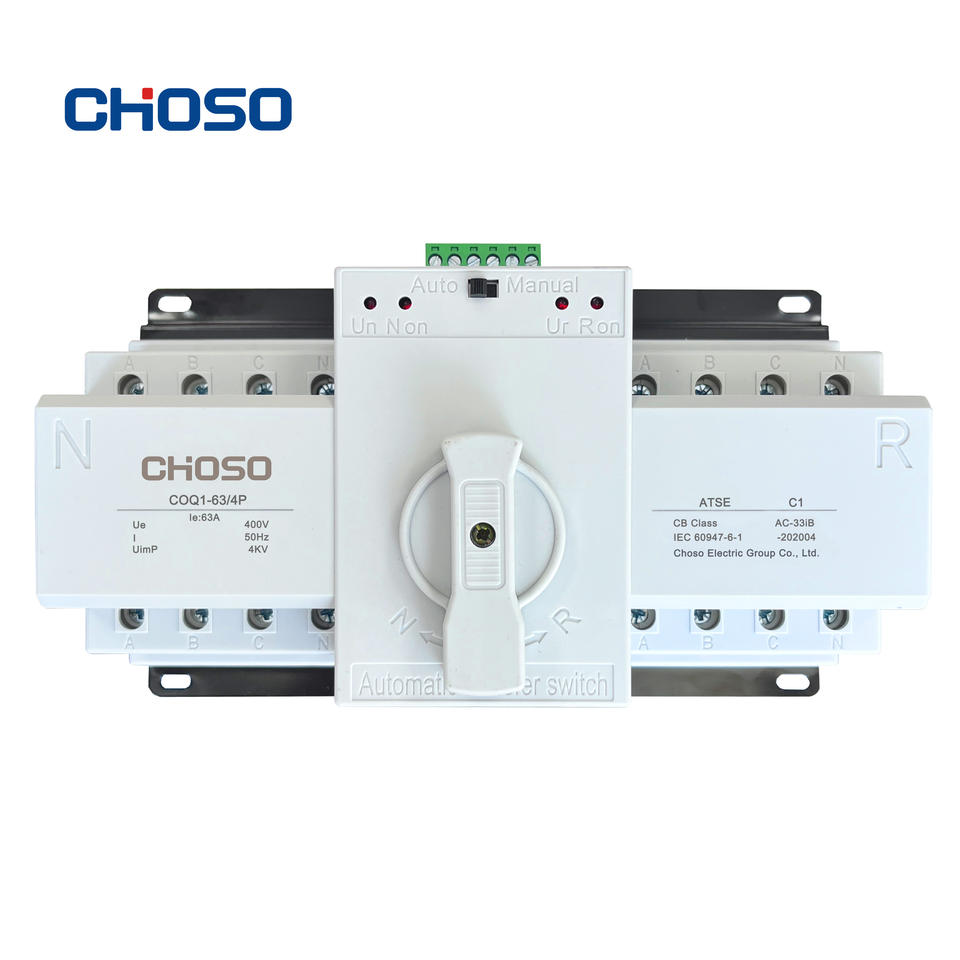
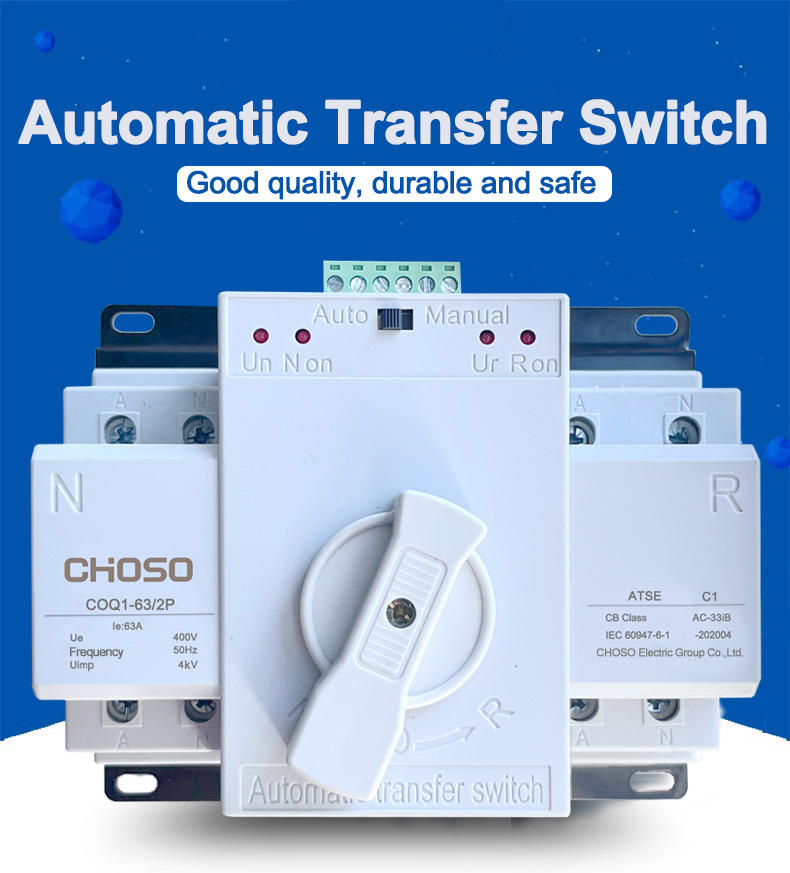
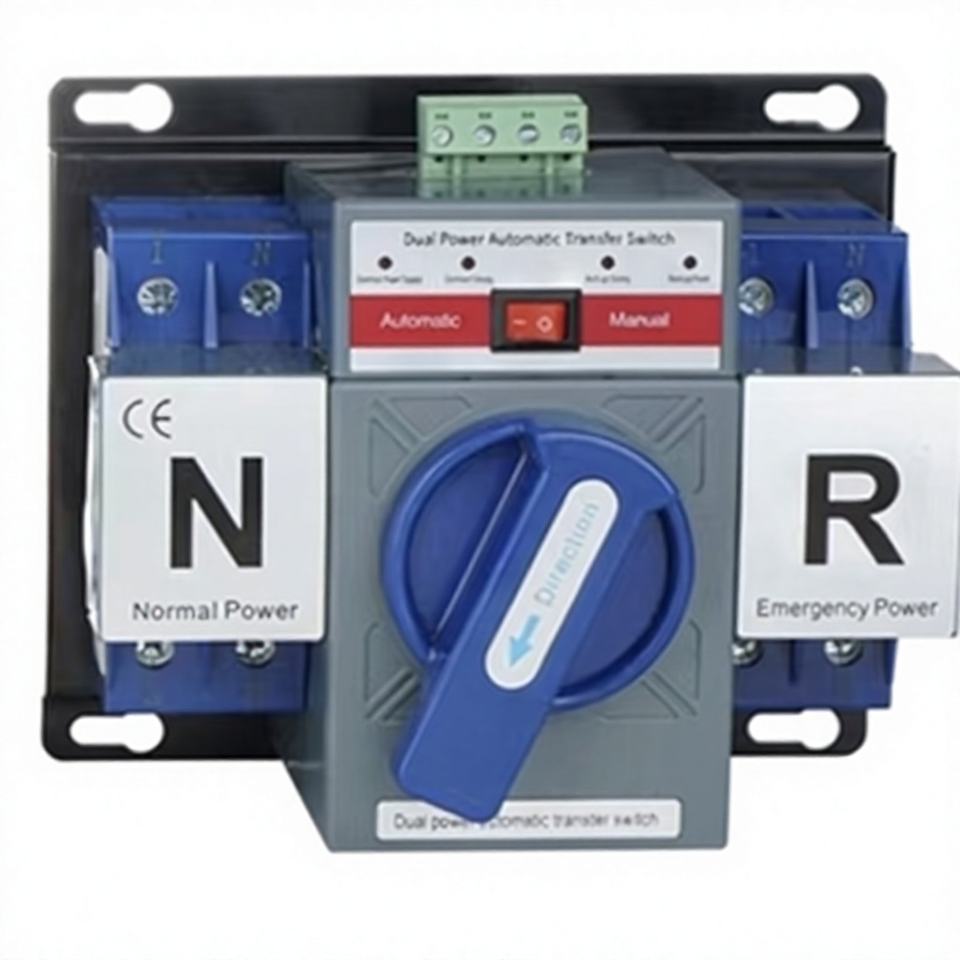
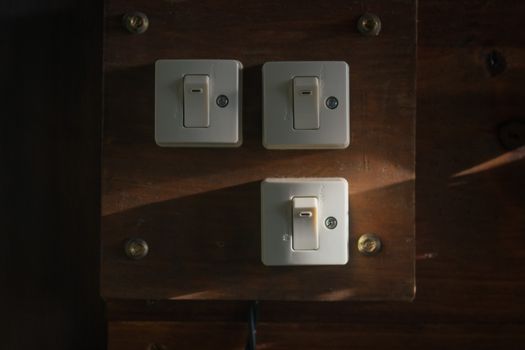
An automatic transfer switch is an electrical device that automatically switches a load between two power sources. In a solar context, it typically transfers power between the utility grid and your solar-plus-storage system or backup generator. When the grid fails, the ATS detects the outage and quickly switches your home or business to the backup power source. When the grid returns, it switches back.
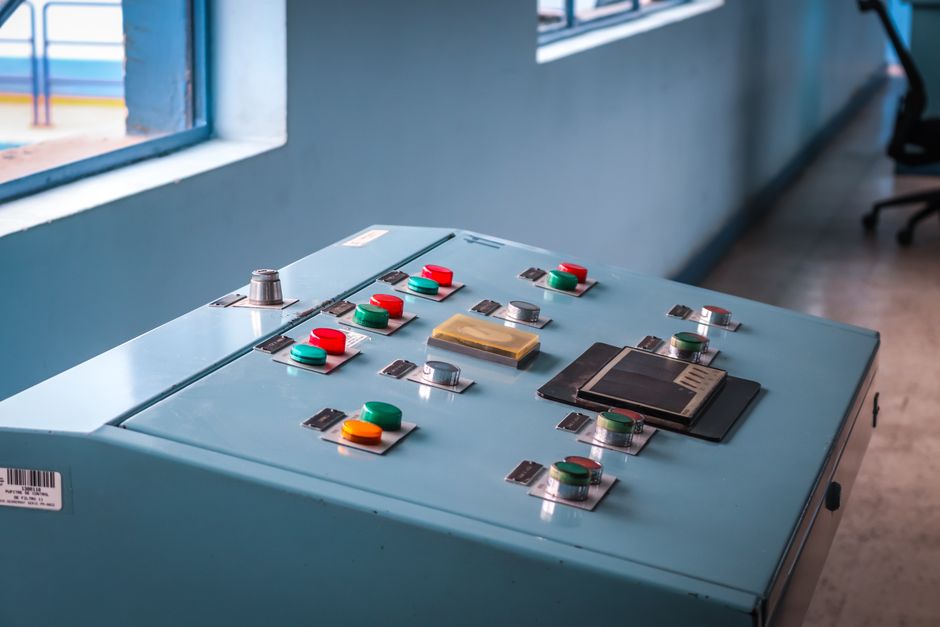
Unlike manual transfer switches, which require you to physically flip a switch, an ATS operates automatically. This is especially important for critical loads like medical equipment, refrigeration, or security systems that cannot tolerate downtime.
Why You Need an ATS for Your Solar System
Many solar owners assume that their grid-tied inverter will automatically provide power during an outage. However, standard grid-tied inverters are designed to shut down when the grid goes down to prevent backfeeding—a safety hazard for utility workers. An ATS, combined with a battery bank and a hybrid inverter, allows you to safely island your home from the grid and continue using solar energy.
Here are the key benefits of using an ATS:
- Safety: Prevents backfeeding into the grid, protecting utility personnel.
- Seamless backup: Automatically powers critical loads during outages.
- Convenience: No manual intervention required.
- Optimization: Can prioritize solar or battery power based on availability and tariffs.
- Code compliance: Meets NEC and local electrical codes for backup power systems.
How an Automatic Transfer Switch Works with Solar
The ATS monitors the voltage and frequency of the primary power source (usually the grid). When it detects a failure or deviation outside acceptable parameters, it initiates a transfer sequence. The switch opens the connection to the grid and closes the connection to the backup source—typically a battery inverter or generator. The transfer time can range from a few milliseconds to several seconds, depending on the switch type and settings.
In a solar-plus-storage system, the ATS works in conjunction with a hybrid inverter and a battery management system. The inverter converts DC power from the batteries or solar panels into AC power for your home. The ATS ensures that this AC power is routed to your electrical panel only when needed and that the grid connection is safely isolated.
Key Components of a Solar ATS
- Controller: Monitors voltage and frequency, decides when to transfer.
- Switching mechanism: Electrically operated contacts that open and close circuits.
- Enclosure: Protects internal components from environmental factors.
- Manual override: Allows for manual operation in case of emergency or maintenance.
- Indicators and alarms: Provide status information and alerts.
Types of Automatic Transfer Switches for Solar
Not all ATS are created equal. Understanding the different types will help you choose the right one for your solar installation.
1. Open Transition ATS
This is the most common type. It breaks the connection to the primary source before connecting to the backup source. There is a brief power interruption during transfer. Open transition switches are simple, reliable, and cost-effective. They are suitable for most residential and commercial solar systems where a short interruption is acceptable.
2. Closed Transition ATS
Closed transition switches momentarily connect both sources in parallel before disconnecting the primary source. This ensures a seamless transfer with no power interruption. However, they require careful synchronization and are more expensive. They are used in critical applications like data centers or hospitals.
3. Soft Loading ATS
These are used with generators and gradually transfer loads to avoid sudden surges. They are less common in pure solar applications but can be found in hybrid systems.
4. Static Transfer Switch
Uses semiconductor devices (SCRs) to transfer power in milliseconds. They are extremely fast but costly and generate heat. They are typically used in high-end industrial applications.
Key Factors to Consider When Choosing an ATS
Selecting the right ATS for your solar system involves several considerations:
Amperage Rating
The ATS must be rated to handle the total amperage of your electrical service. Common residential ratings are 100A, 200A, and 400A. For commercial systems, ratings can be much higher. Always choose an ATS with a rating equal to or greater than your main service panel.
Voltage and Phases
Ensure the ATS matches your system voltage (120/240V for most homes, 120/208V or 277/480V for commercial) and number of phases (single-phase or three-phase).
Transfer Time
For most homes, a transfer time of 2-10 seconds is fine. For sensitive electronics, consider a UPS or a static transfer switch with transfer times under 20 milliseconds.
Number of Poles
You need a switch with the appropriate number of poles for your system. For a 120/240V single-phase system, a 2-pole switch is typical. For three-phase, you'll need a 3-pole or 4-pole switch (if neutral switching is required).
Service Entrance Rated vs. Non-Service Entrance Rated
A service entrance rated ATS includes a main breaker and can be installed between the utility meter and the main panel. Non-service entrance rated switches are installed downstream of the main panel. Check local codes to determine which is required.
Compatibility with Inverter and Battery
Ensure the ATS is compatible with your inverter and battery system. Some manufacturers offer integrated solutions that simplify installation and communication.
Monitoring and Communication
Modern ATS may include Wi-Fi or cellular monitoring, allowing you to receive alerts and monitor status remotely. This is a valuable feature for ensuring system reliability.
Installation Tips and Best Practices
Installing an ATS is a complex electrical job that should be performed by a licensed electrician. Here are some best practices:
- Plan the location: Install the ATS near your main service panel and backup power source to minimize wiring runs.
- Follow code: Adhere to NEC Article 702 (Optional Standby Systems) and Article 705 (Interconnected Electric Power Production Sources).
- Use proper wiring: Use copper conductors sized per code and torque connections to manufacturer specifications.
- Test thoroughly: After installation, simulate a grid outage to ensure proper transfer and re-transfer.
- Label clearly: Label all circuits and switches for future maintenance.
- Consider a maintenance schedule: Periodically test the ATS and inspect for wear or corrosion.
Common Mistakes to Avoid
Many solar owners make mistakes when integrating an ATS. Here are some to avoid:
- Undersizing the ATS: Always match or exceed your service rating.
- Ignoring neutral switching: In some systems, the neutral must be switched to avoid ground loops.
- Forgetting about generator compatibility: If you have a generator, ensure the ATS can handle both sources.
- Skipping permits: Always obtain necessary permits and inspections.
- DIY installation: Electrical work is dangerous; hire a professional.
Cost Considerations
The cost of an ATS varies widely based on amperage, type, and features. A basic 200A residential ATS might cost $500-$1,500, while a commercial three-phase switch can be several thousand dollars. Installation costs add another $500-$2,000 depending on complexity. While this is an added expense, the safety and convenience benefits far outweigh the cost.
Conclusion
An automatic transfer switch is an essential component for any solar system that aims to provide backup power during grid outages. It ensures safety, reliability, and seamless operation. By understanding how ATS works, the different types available, and the factors to consider, you can make an informed decision that meets your energy needs. Always consult with a qualified solar installer to ensure your system is properly designed and installed. With the right ATS, your solar investment will keep your lights on, even when the grid goes down.
Send the load list and utility/generator data — we propose switch ratings, transition type and enclosure.