English
 简体中文
简体中文 Русский
 Español
 Deutsch

What Is an Automatic Transfer Switch? Complete Guide
Discover what an automatic transfer switch is, how it works, types, applications, and how to choose the right ATS for reliable backup power. Learn more!
What Is an Automatic Transfer Switch?
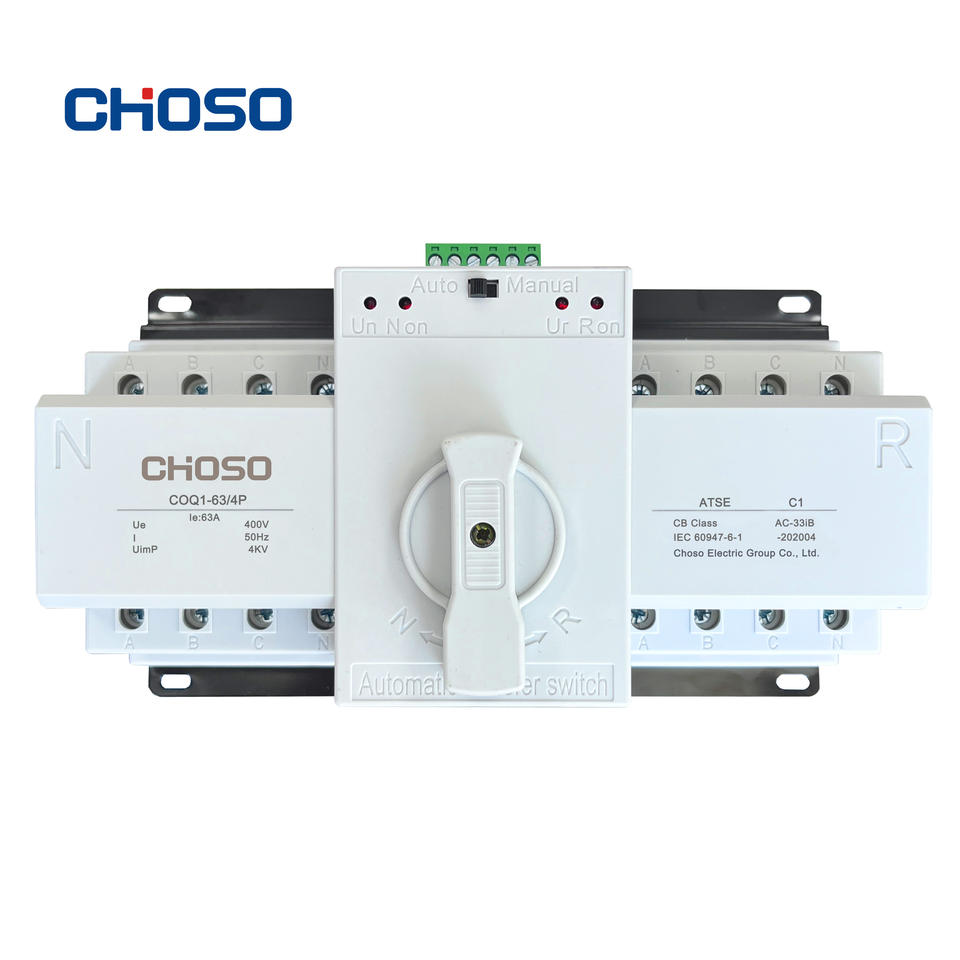
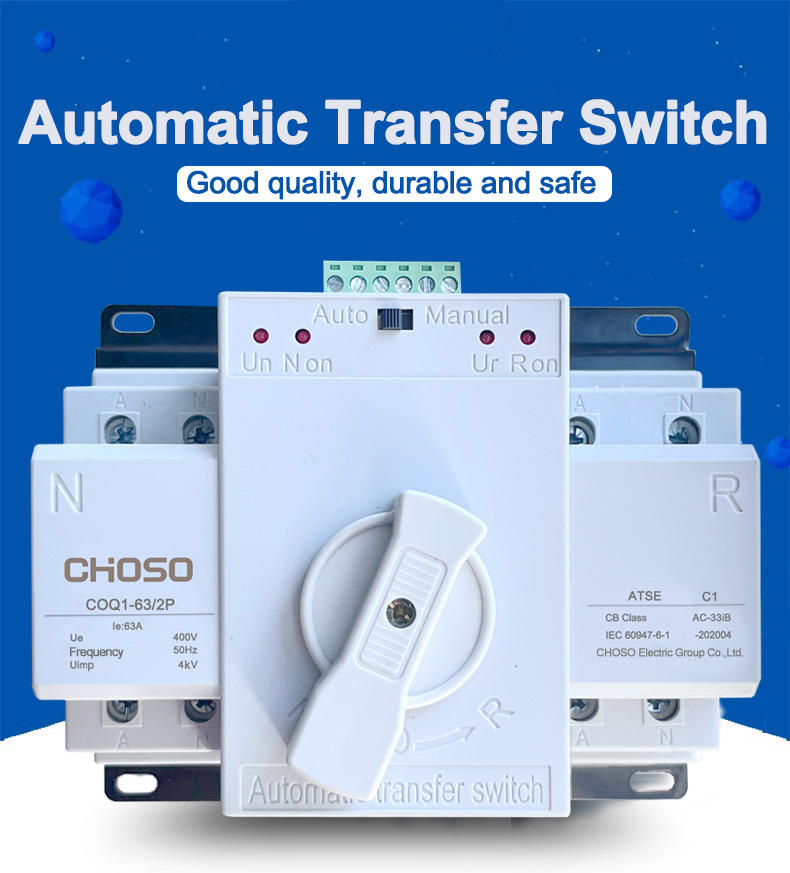
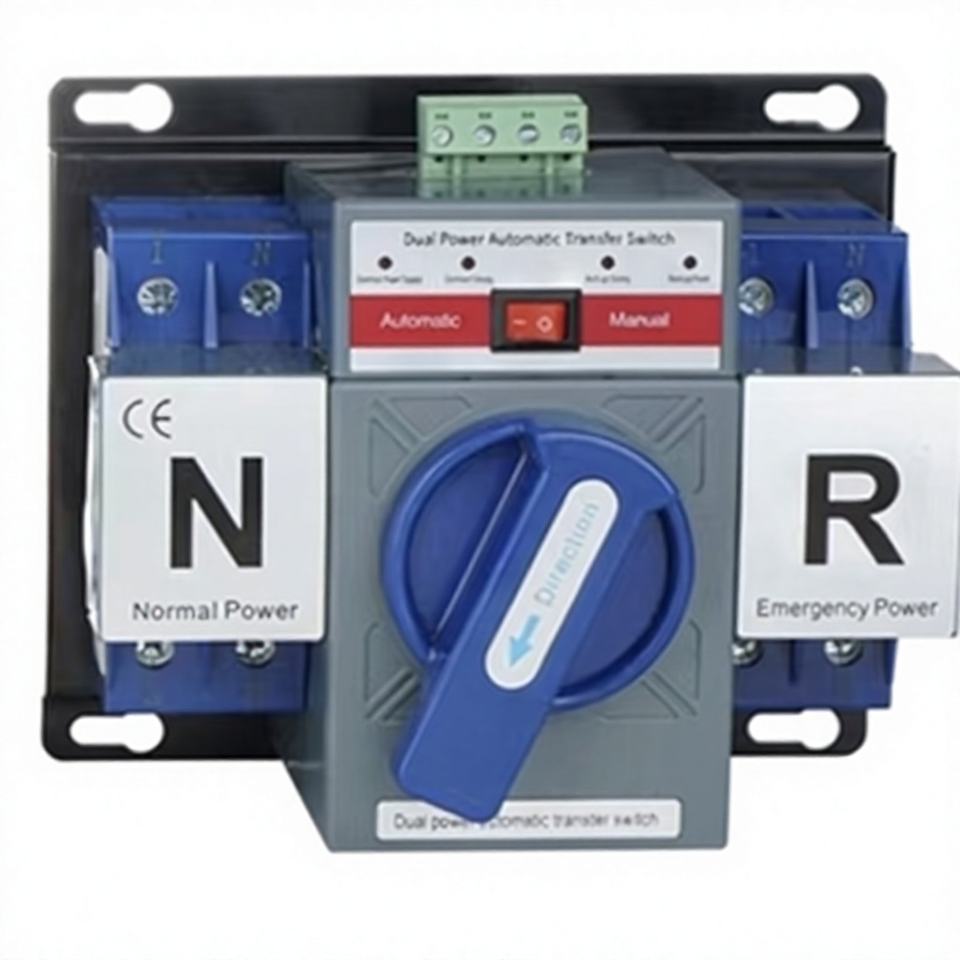
An automatic transfer switch (ATS) is a critical electrical component that seamlessly switches a power supply from a primary source to a backup source when the primary source fails or drops below acceptable voltage levels. Once the primary source is restored, the ATS automatically switches the load back. This process ensures continuous power to essential systems, making ATS an indispensable part of any backup power infrastructure.
Unlike manual transfer switches that require human intervention, an ATS operates autonomously, often within seconds of detecting an outage. This speed and reliability are vital for hospitals, data centers, manufacturing plants, and residential homes where even a brief power interruption can cause significant disruption or safety hazards.
How Does an Automatic Transfer Switch Work?
An ATS monitors the voltage and frequency of the primary power source. When these parameters fall outside preset thresholds, the ATS initiates a transfer sequence:
- Detection: The switch senses a power loss or abnormality.
- Signal: It sends a start signal to the backup generator or alternative power source.
- Transfer: Once the backup source is stable, the ATS disconnects the load from the primary source and connects it to the backup.
- Retransfer: When the primary source returns and stabilizes, the ATS switches the load back and shuts down the backup source after a cool-down period.
The entire process is governed by a controller that can be programmed with delays to prevent unnecessary switching during momentary fluctuations.
Types of Automatic Transfer Switches
ATS units come in various configurations to suit different applications and power requirements.
1. Open Transition ATS
This is the most common type. It breaks the connection to the primary source before connecting to the backup source, ensuring no overlap. However, this creates a brief power interruption (typically 50-100 milliseconds), which is acceptable for most loads but can affect sensitive equipment.
2. Closed Transition ATS
Closed transition switches momentarily connect both sources in parallel before disconnecting the primary. This provides a seamless transfer with no power interruption, ideal for data centers and critical operations. However, it requires careful synchronization to avoid backfeeding.
3. Soft Loading ATS
Also known as a soft-load transfer switch, this type gradually transfers the load using ramping techniques, reducing mechanical and electrical stress on the generator and load. It is often used with large motors and transformers.
4. Bypass Isolation ATS
Designed for maintenance without power interruption, this switch allows the ATS to be bypassed and isolated while the load remains powered. It is common in healthcare and mission-critical facilities.
Key Components of an ATS
Understanding the internal components helps in selecting and maintaining an ATS.
| Component | Function |
|---|---|
| Controller | Monitors power sources and controls transfer operations. |
| Contacts | Mechanical switches that open and close circuits. |
| Operator Mechanism | Motor or solenoid that drives the contacts. |
| Enclosure | Protects internal parts from environmental factors. |
| Sensors | Detect voltage, frequency, and phase sequence. |
Applications of Automatic Transfer Switches
ATS units are used across a wide range of industries and settings:
- Healthcare: Hospitals and clinics rely on ATS to keep life-support systems and operating rooms powered.
- Data Centers: Continuous power is essential for servers and cooling systems.
- Manufacturing: Production lines can suffer costly downtime and equipment damage without backup power.
- Telecommunications: Cell towers and switching stations require uninterrupted power.
- Residential: Homeowners with standby generators use ATS for convenience and safety.
- Commercial Buildings: Elevators, fire alarms, and emergency lighting depend on ATS.
Benefits of Using an Automatic Transfer Switch
Investing in an ATS offers numerous advantages:
- Reliability: Eliminates human error and ensures immediate response to outages.
- Safety: Prevents backfeeding that can endanger utility workers.
- Convenience: No manual intervention required, especially during storms or late nights.
- Cost Savings: Reduces downtime and protects sensitive equipment from damage.
- Code Compliance: Many jurisdictions require ATS for backup power systems in commercial and healthcare facilities.
How to Choose the Right Automatic Transfer Switch
Selecting an ATS involves several considerations to match your specific needs.
1. Amperage and Voltage Ratings
Ensure the ATS can handle the total load of your critical circuits. Calculate the sum of all connected loads and choose a switch with a rating at least 20% higher for safety margin.
2. Number of Poles
For single-phase systems, a 2-pole ATS is typical. Three-phase systems require 3-pole or 4-pole (with neutral) switches.
3. Transition Type
Decide between open, closed, or soft-load transition based on your tolerance for power interruption and the nature of your loads.
4. Control Features
Look for programmable timers, remote monitoring, and communication protocols (e.g., Modbus, Ethernet) for integration with building management systems.
5. Enclosure Rating
Indoor installations can use NEMA 1 enclosures, while outdoor or wet locations require NEMA 3R or NEMA 4X.
6. Certification and Standards
Ensure the ATS meets UL 1008, IEC 60947-6-1, or other relevant standards for safety and performance.
Installation and Maintenance Tips
Proper installation and regular maintenance are key to ATS reliability.
- Professional Installation: Always hire a licensed electrician to install the ATS and connect it to your generator and electrical panel.
- Regular Testing: Simulate power outages monthly to verify the ATS operates correctly. Many controllers have a test mode.
- Inspect Contacts: Check for pitting, corrosion, or wear annually and replace if necessary.
- Tighten Connections: Loose terminals can cause overheating and failure. Torque connections to manufacturer specifications.
- Clean Enclosure: Keep the enclosure free of dust, moisture, and pests.
- Update Firmware: If your ATS has a digital controller, keep firmware updated for optimal performance.
Common Issues and Troubleshooting
Even reliable ATS units can encounter problems. Here are some common issues and solutions:
| Issue | Possible Cause | Solution |
|---|---|---|
| ATS does not transfer | Faulty controller or sensor | Check controller settings and sensor wiring; replace if needed. |
| Generator starts but no transfer | Transfer mechanism jammed | Inspect and lubricate mechanism; manually operate to free. |
| Frequent unnecessary transfers | Voltage thresholds too narrow | Adjust pickup and dropout settings. |
| Buzzing noise from ATS | Loose contacts or coil issue | Tighten connections; replace coil if faulty. |
Automatic Transfer Switch vs. Manual Transfer Switch
While both types switch power sources, they differ significantly in operation and application.
| Feature | Automatic Transfer Switch | Manual Transfer Switch |
|---|---|---|
| Operation | Automatic | Manual |
| Response Time | Seconds | Minutes to hours |
| Cost | Higher | Lower |
| Best For | Critical loads, unattended sites | Residential, occasional use |
| Safety | High (prevents backfeed) | Depends on user |
Future Trends in ATS Technology
The ATS industry is evolving with advancements in digitalization and smart grid integration.
- IoT Connectivity: ATS units now offer remote monitoring and control via cloud platforms.
- Energy Management: Integration with renewable energy sources like solar and battery storage.
- Predictive Maintenance: AI algorithms predict component failures before they occur.
- Modular Designs: Easier upgrades and scalability for growing power needs.
Conclusion
An automatic transfer switch is more than just a convenience—it is a cornerstone of power reliability and safety. Whether you are protecting a hospital, a data center, or your family home, understanding how an ATS works and how to choose the right one ensures that your critical systems stay powered when the grid goes down. By following proper installation and maintenance practices, you can maximize the lifespan and performance of your ATS, giving you peace of mind during any power emergency.
Send the load list and utility/generator data — we propose switch ratings, transition type and enclosure.