English
 简体中文
简体中文 Русский
 Español
 Deutsch
Automatic vs Manual Transfer Switch: Which to Choose?
Compare automatic vs manual transfer switches on cost, safety, and convenience. Find the best backup power solution for your home or business today.
Understanding Transfer Switches
A transfer switch is a critical component in any backup power system. It safely switches electrical loads from the utility grid to a generator or alternative power source, preventing dangerous backfeeding that can injure utility workers and damage equipment. When you invest in a standby generator or solar battery system, choosing between an automatic transfer switch (ATS) and a manual transfer switch (MTS) is one of the most important decisions you'll make.
This guide compares both options across cost, safety, convenience, installation, and use cases so you can determine which fits your home or business.

What Is an Automatic Transfer Switch?
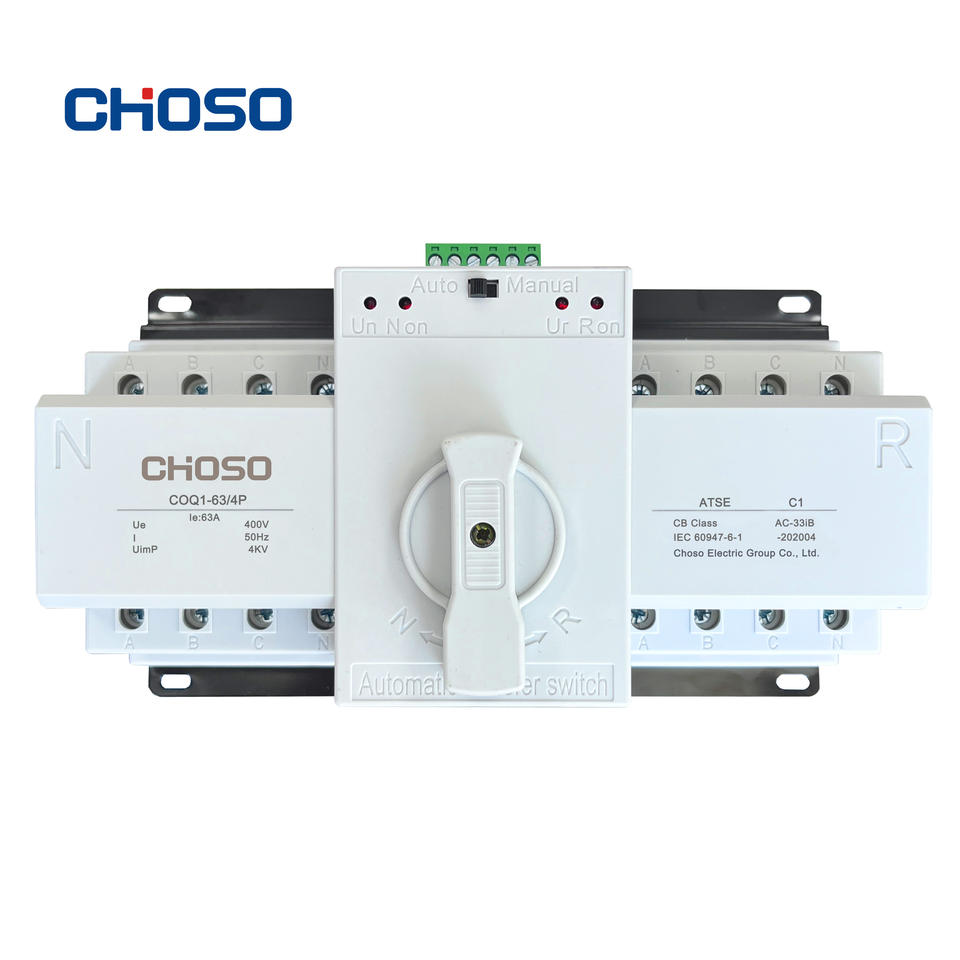
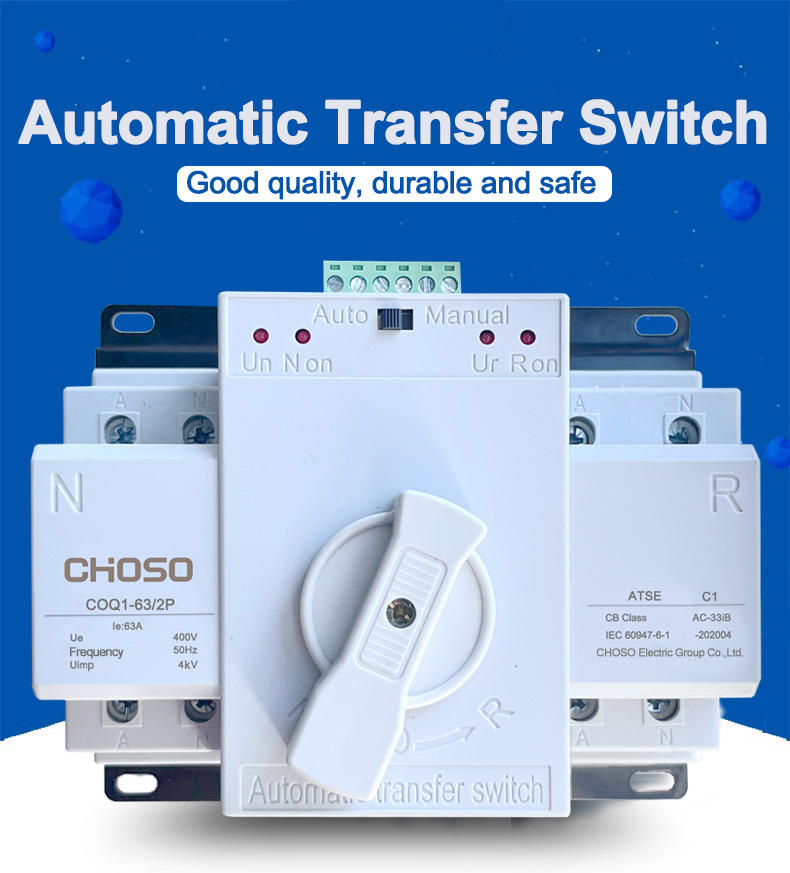
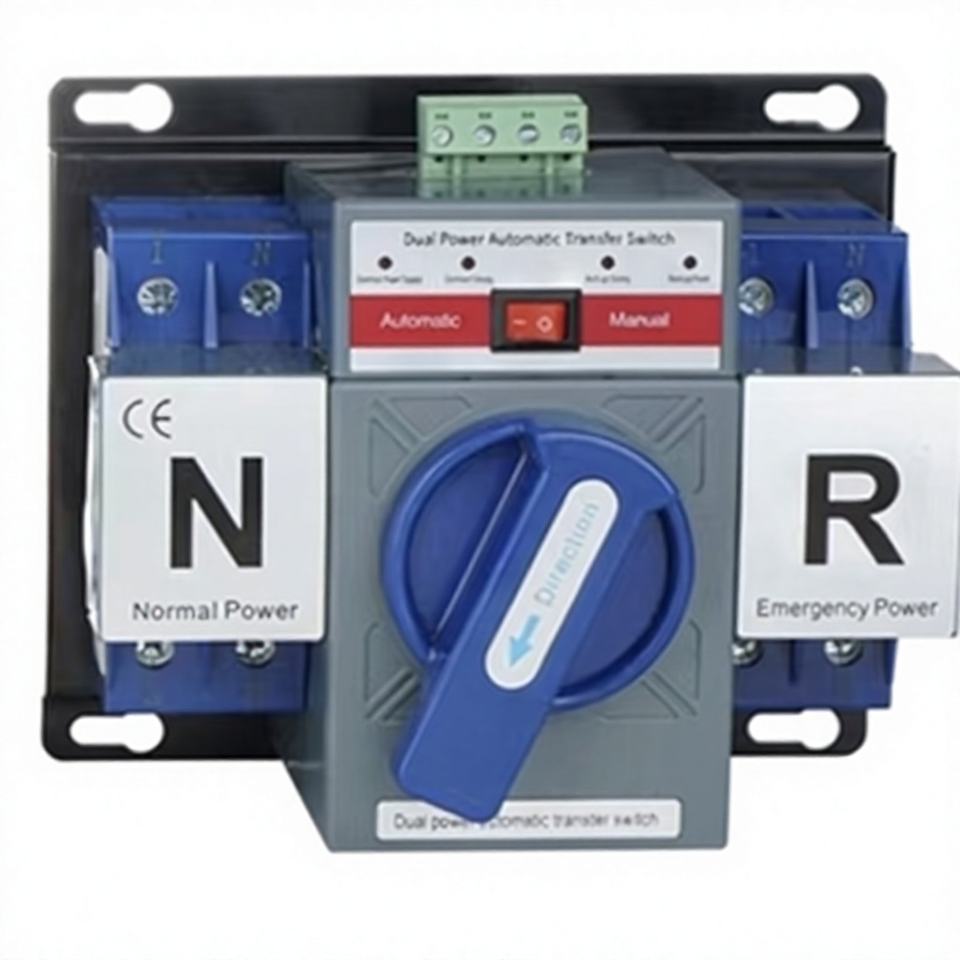
An automatic transfer switch monitors the utility power supply continuously. When it detects an outage, it signals the generator to start and automatically transfers the load within seconds. When utility power returns, the ATS switches back and shuts down the generator after a cool-down period.
Key Features
- Unattended operation — no human intervention required
- Transfer times typically 10–30 seconds for home standby systems
- Integrated with generator controllers and remote monitoring
- Available in service-entrance and non-service-entrance rated models
What Is a Manual Transfer Switch?
A manual transfer switch requires you to physically flip a lever or turn a rotary switch to move the load from utility to generator power. You must be present to start the generator, operate the switch, and reverse the process when grid power returns.
Key Features
- Lower upfront cost
- Simple mechanical design with fewer failure points
- Requires user presence and physical operation
- Often used with portable generators
Side-by-Side Comparison
| Feature | Automatic Transfer Switch | Manual Transfer Switch |
|---|---|---|
| Operation | Fully automatic | Manual lever/rotary |
| Transfer Time | 10–30 seconds | Minutes (depends on user) |
| Typical Cost | $500–$2,500+ | $150–$600 |
| Installation Complexity | High — licensed electrician required | Moderate — electrician recommended |
| Best For | Standby generators, critical loads | Portable generators, budget projects |
| Safety | Excellent — eliminates backfeed risk | Good — if operated correctly |
| Maintenance | Periodic testing recommended | Minimal |
| Convenience | Very high | Low — requires presence |
Cost Analysis
The upfront price difference is significant. A manual transfer switch for a portable generator typically costs a fraction of an automatic system. However, total cost of ownership tells a fuller story. Automatic systems pair with permanently installed standby generators, which cost several thousand dollars. Manual switches usually pair with portable generators costing a few hundred to a couple thousand dollars.
If you already own a portable generator, a manual transfer switch is the economical path. If you want whole-home protection without lifting a finger, an ATS with a standby generator is the premium solution.
Safety Considerations
Both switch types prevent backfeeding — the dangerous scenario where generator power flows back into utility lines. Backfeeding can electrocute linemen and damage your generator. A manual switch only protects you if it is operated correctly every time. An automatic switch eliminates human error entirely, which is a major advantage for households with elderly residents, frequent travelers, or businesses where downtime is costly.
Convenience and Reliability
Automatic transfer switches shine during storms, late-night outages, and situations where no one is home. They restore power in seconds and shut down cleanly. Manual switches demand that someone be present, know the procedure, and act quickly — which is impractical for many users.
Installation Requirements
Automatic transfer switches are typically installed as part of a standby generator package and often require a service-entrance rated switch, permits, and inspection. Manual transfer switches are simpler but still involve opening your electrical panel, so professional installation is strongly advised in both cases.
Which Should You Choose?
Choose an automatic transfer switch if:
- You want uninterrupted power with zero effort
- You're installing a standby generator
- You have critical loads like medical equipment, servers, or refrigeration
- You travel frequently or outages happen while you're away
Choose a manual transfer switch if:
- You already own or plan to buy a portable generator
- Budget is the primary concern
- Outages are infrequent and short
- You're comfortable operating equipment manually
Final Recommendation
For most homeowners seeking reliable, hands-off backup power, an automatic transfer switch paired with a standby generator is the superior choice. The convenience, safety, and peace of mind justify the higher cost. However, if you have a portable generator and limited budget, a manual transfer switch remains a safe and cost-effective alternative. Evaluate your outage frequency, critical loads, and budget — then match the switch to your lifestyle.
Send the load list and utility/generator data — we propose switch ratings, transition type and enclosure.