English
 简体中文
简体中文 Русский
 Español
 Deutsch

How Does an Automatic Transfer Switch Work? Explained
Discover how an automatic transfer switch works to keep your power on during outages. Learn types, components, and maintenance tips. Ensure reliable backup power today!

What Is an Automatic Transfer Switch?
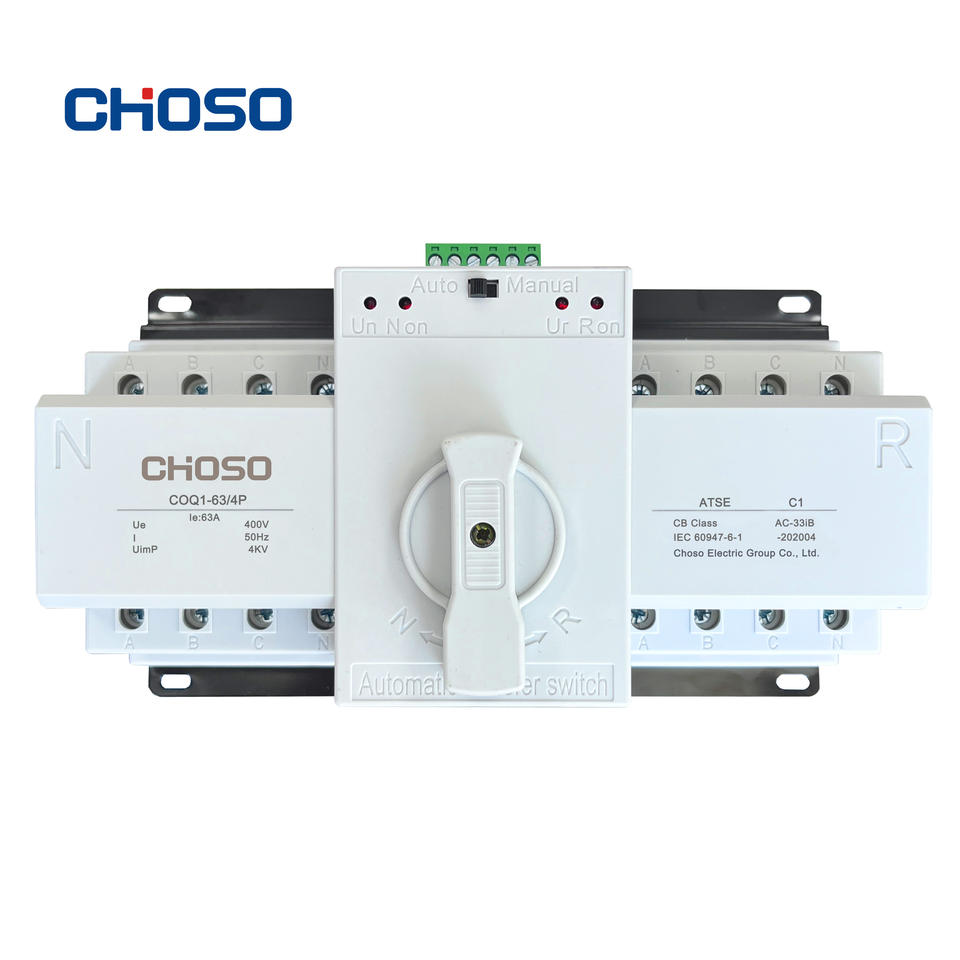
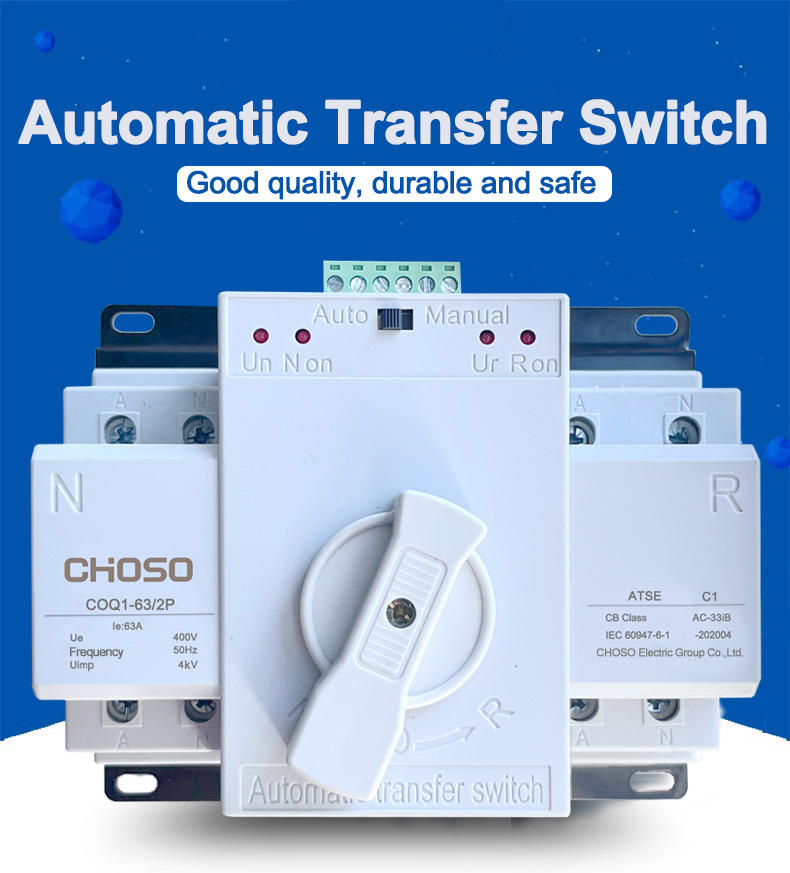
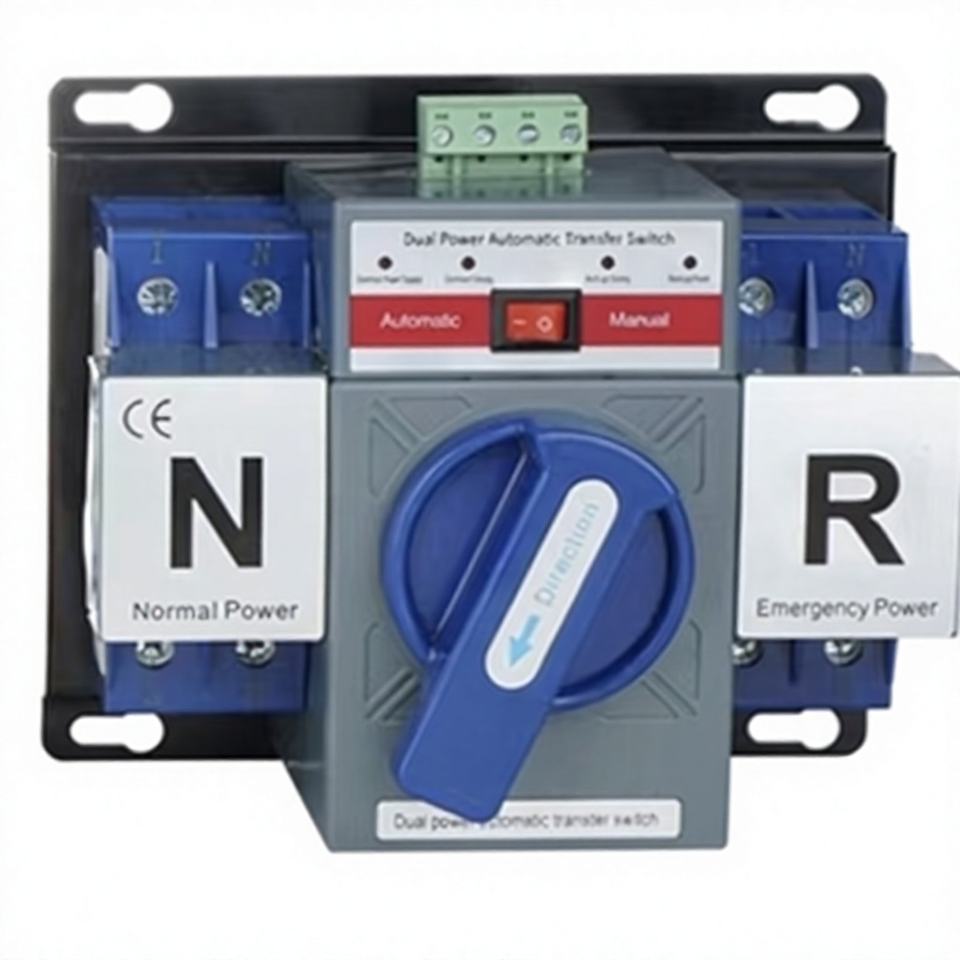
An automatic transfer switch (ATS) is a critical electrical device that automatically switches the power supply from a primary source (usually the utility grid) to a backup source (such as a generator or battery bank) when the primary source fails. Once utility power is restored, the ATS transfers the load back to the primary source and shuts down the backup generator. This seamless transition ensures continuous power to essential loads, preventing downtime and protecting sensitive equipment.
ATSs are commonly used in residential, commercial, and industrial settings where uninterrupted power is vital. They are a key component in standby power systems, working in tandem with generators, UPS systems, and renewable energy sources.
How Does an Automatic Transfer Switch Work?
The operation of an ATS is based on a simple yet reliable principle: monitoring the primary power source and switching to the backup when needed. Here's a step-by-step breakdown of the process:
1. Monitoring the Primary Power Source
The ATS continuously monitors the voltage and frequency of the primary power source. If the voltage drops below a certain threshold (e.g., 80% of nominal) or the frequency deviates significantly, the ATS initiates a transfer sequence.
2. Starting the Backup Generator
Once a power failure is detected, the ATS sends a start signal to the backup generator. The generator cranks and begins producing power. The ATS waits for the generator to stabilize its voltage and frequency before proceeding.
3. Transferring the Load
When the generator output is stable, the ATS opens the primary contacts (disconnecting the utility supply) and closes the backup contacts (connecting the generator). This transfer typically occurs within a few seconds to a minute, depending on the ATS design and generator readiness.
4. Returning to Primary Power
When utility power is restored and remains stable for a preset time (e.g., 5–30 minutes), the ATS switches the load back to the utility. It then sends a stop signal to the generator, which cools down and shuts off.
Types of Automatic Transfer Switches
ATSs come in various configurations to suit different applications. The main types include:
- Open Transition ATS: Also known as a break-before-make switch, it disconnects the load from one source before connecting to the other. This causes a brief power interruption but prevents any chance of paralleling the two sources.
- Closed Transition ATS: Makes the connection to the backup source before disconnecting the primary, allowing a seamless transfer with no power interruption. This is used where even a momentary outage is unacceptable.
- Soft Loading ATS: Gradually transfers the load by ramping up the generator and ramping down the utility, reducing mechanical stress and voltage fluctuations.
- Static Transfer Switch: Uses solid-state components (SCRs) for ultra-fast transfers (within milliseconds), ideal for data centers and critical IT loads.
Key Components of an Automatic Transfer Switch
Understanding the internal parts of an ATS helps in selecting and maintaining the right device. The essential components include:
- Controller: The brain of the ATS, it monitors voltage, frequency, and timing, and controls the transfer process.
- Contacts: Mechanical or solid-state switches that connect and disconnect the power sources.
- Operator Mechanism: Motorized or solenoid-driven mechanism that moves the contacts.
- Enclosure: Protects internal components from environmental factors (NEMA ratings for indoor/outdoor use).
- Terminals: Connection points for utility, generator, and load cables.
Practical Tips for Choosing and Installing an ATS
Selecting the right ATS is crucial for reliable backup power. Consider these practical tips:
- Match the ATS to your generator: Ensure the ATS amperage rating meets or exceeds your generator's output and your load requirements.
- Decide on transfer type: For homes, an open transition ATS is usually sufficient. For hospitals or data centers, consider closed transition or static transfer switches.
- Check the switching time: If you have sensitive electronics, choose an ATS with a fast transfer time (under 10 seconds) or a UPS to bridge the gap.
- Verify code compliance: Install per local electrical codes (e.g., NEC in the US) and use a licensed electrician.
- Plan for maintenance: Schedule regular testing and inspection to ensure the ATS operates correctly during an outage.
Common Applications of Automatic Transfer Switches
ATSs are used in a wide range of settings, including:
- Residential: Homes with standby generators to keep lights, heating, and refrigeration running during blackouts.
- Commercial: Offices, retail stores, and restaurants to prevent business interruption.
- Industrial: Factories and manufacturing plants where power loss can damage equipment and halt production.
- Healthcare: Hospitals and clinics where life-support systems must remain operational.
- Data Centers: To protect servers and network equipment from downtime.
- Telecommunications: Cell towers and switching stations require continuous power.
Maintenance and Troubleshooting
Regular maintenance ensures your ATS functions when you need it most. Follow these guidelines:
Preventive Maintenance Checklist
| Task | Frequency |
|---|---|
| Inspect for signs of overheating, corrosion, or loose connections | Monthly |
| Test transfer operation under load | Quarterly |
| Clean enclosure and check for moisture or pests | Every 6 months |
| Exercise the generator and ATS together | Monthly |
| Professional inspection and torque checks | Annually |
Common Issues and Solutions
- ATS fails to transfer: Check control fuses, voltage sensing, and generator start signal.
- ATS transfers but generator doesn't start: Verify battery, fuel supply, and generator controller.
- Chattering or repeated transfers: Utility voltage may be unstable; adjust voltage and time delay settings.
- No power after transfer: Inspect contacts for pitting or misalignment; replace if necessary.
Conclusion
An automatic transfer switch is the unsung hero of any backup power system. By automatically switching to a generator when the grid fails, it ensures that your home or business stays powered, safe, and productive. Understanding how an ATS works, the different types available, and proper maintenance practices empowers you to make informed decisions and keep your power reliable. Whether you're installing a new system or upgrading an existing one, investing in a quality ATS is a step toward energy resilience.
Send the load list and utility/generator data — we propose switch ratings, transition type and enclosure.