English
 简体中文
简体中文 Русский
 Español
 Deutsch
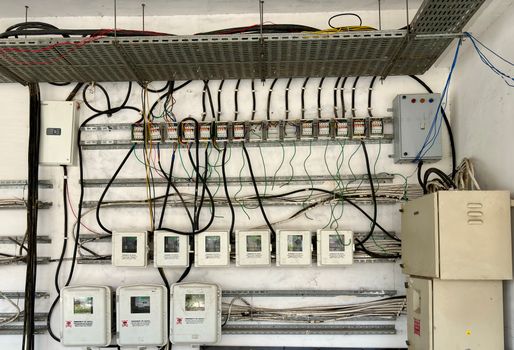
Automatic Transfer Switch Installation Cost in 2025
Automatic transfer switch installation cost in 2025 ranges from $1,200 to $3,500. See full price breakdowns, regional rates, and money-saving tips.
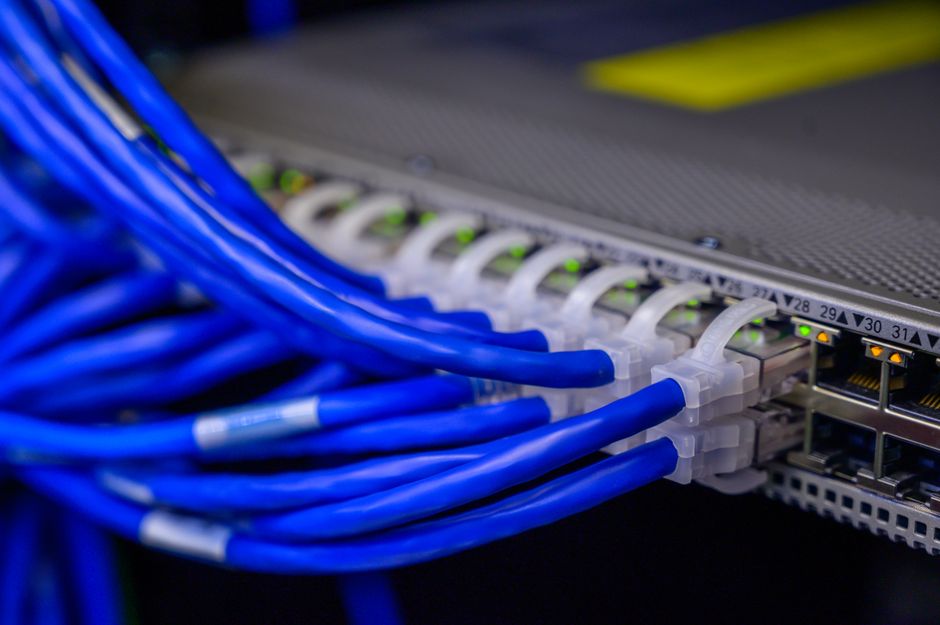
Automatic Transfer Switch Installation Cost in 2025: A Complete Pricing Guide
If you rely on a backup generator to keep your home or business running during an outage, the automatic transfer switch (ATS) is the unsung hero of your power system. It detects a utility failure, starts the generator, and switches your electrical load over — all without you lifting a finger. But how much should you expect to pay for professional ATS installation in 2025? This guide breaks down real-world pricing, the factors that move the number up or down, and how to avoid overpaying.
Across the United States, most homeowners pay between $1,200 and $3,500 for a complete automatic transfer switch installation, including labor and materials. Whole-home, service-entrance-rated switches with smart monitoring can push past $5,000, while a simple 200-amp generator-ready switch on an existing setup may land closer to $900. Let's dig into the details.
What Is an Automatic Transfer Switch and Why Does It Matter?
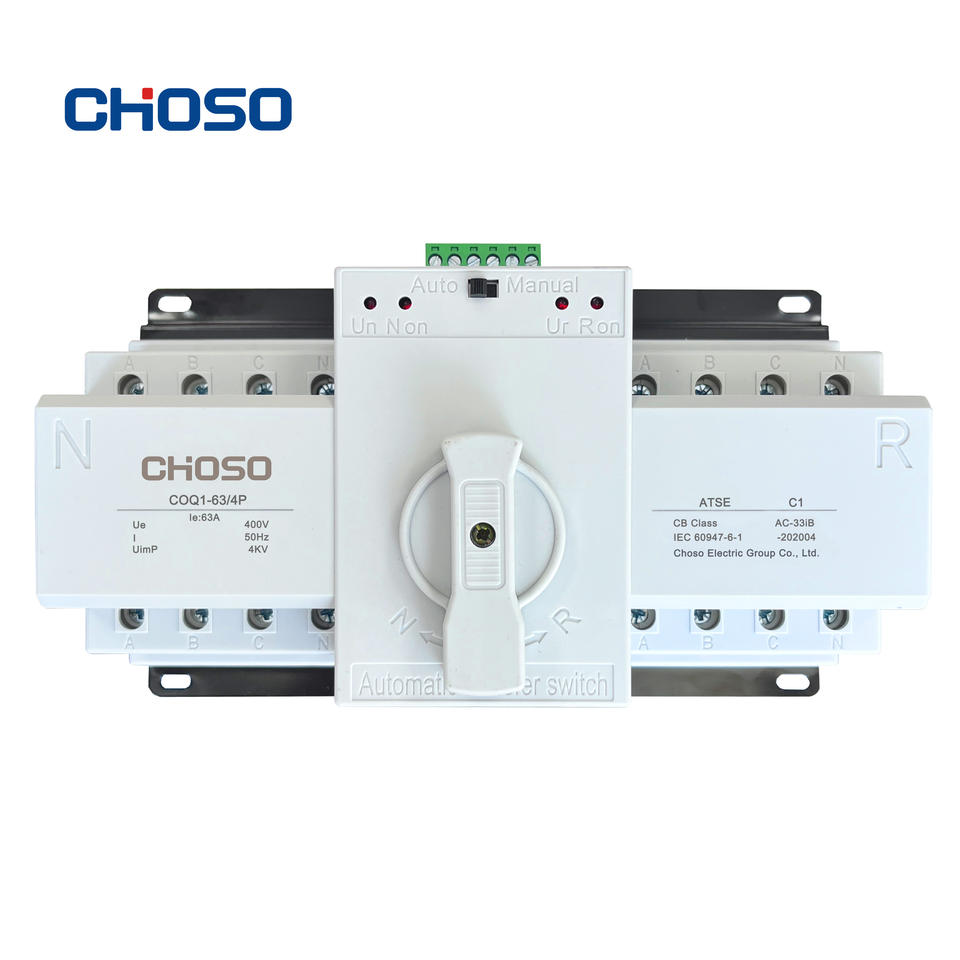
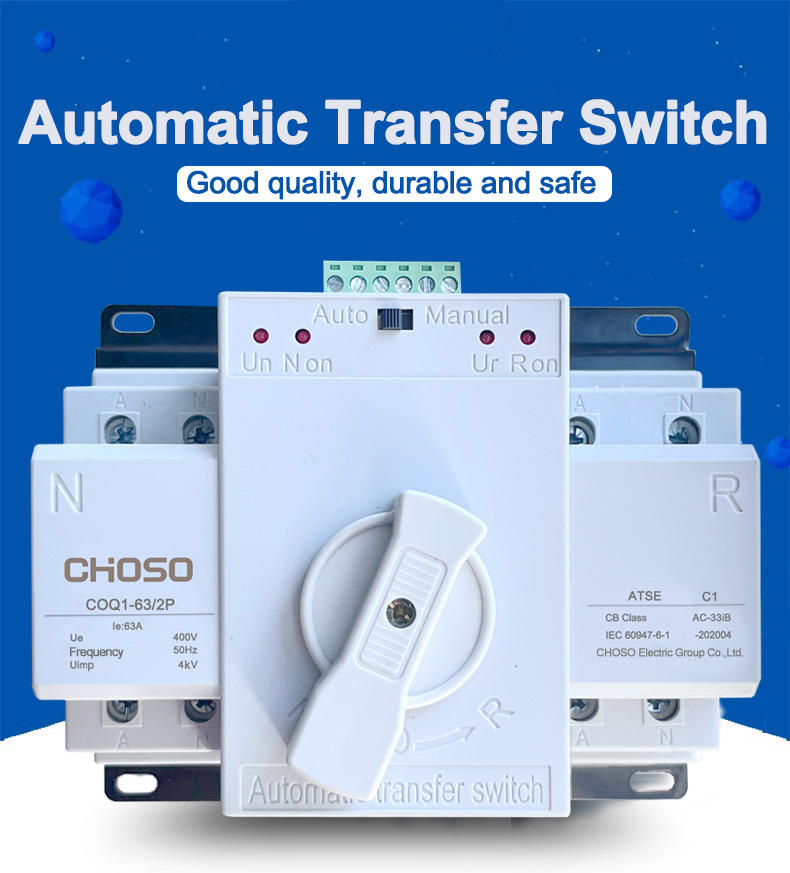
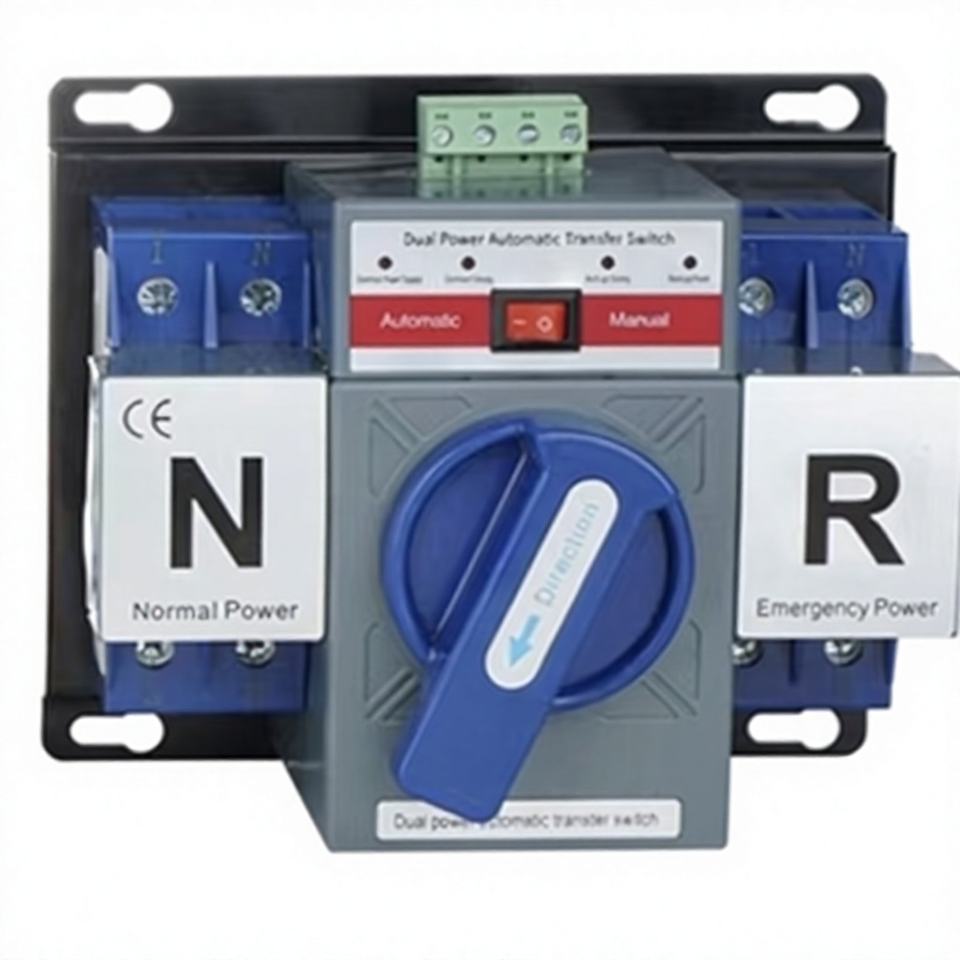
An automatic transfer switch is an electrical device that sits between your utility meter and your electrical panel. When grid power drops, the ATS signals your standby generator to start, waits for stable voltage, then transfers the load to the generator. When utility power returns, it reverses the process and shuts the generator down.
Beyond convenience, an ATS is a safety requirement. It prevents backfeeding — the dangerous scenario where generator power flows backward into utility lines and endangers line workers. That's why most jurisdictions require a listed transfer switch for any permanently installed standby generator.
Manual vs. Automatic Transfer Switches
- Manual transfer switch: Costs $200–$600 installed, but you must be home to throw the switch.
- Automatic transfer switch: Costs $1,200–$3,500 installed, operates unattended, and is ideal for sump pumps, medical equipment, and freezers.
Average Automatic Transfer Switch Installation Cost Breakdown
Understanding where your money goes helps you evaluate quotes. Here's a typical breakdown for a 200-amp service-entrance ATS installation:
| Cost Component | Typical Range | Notes |
|---|---|---|
| ATS unit (200A) | $400–$1,200 | Service-entrance rated, NEMA 3R enclosure |
| Licensed electrician labor | $500–$1,500 | 4–10 hours at $100–$150/hr |
| Wiring & conduit | $150–$500 | Depends on run length and generator distance |
| Permit & inspection | $100–$400 | Varies significantly by municipality |
| Panel upgrades (if needed) | $500–$2,000 | Older 100A panels may need replacement |
Total installed cost: roughly $1,200 to $3,500 for most residential projects, with a national average near $2,100.
Cost Factors That Change Your Final Price
1. Amperage Rating
A 100-amp ATS costs less than a 400-amp unit, but undersizing is a costly mistake. Match the switch to your service panel and generator output.
| ATS Size | Unit Price | Installed Cost |
|---|---|---|
| 100 amp | $250–$500 | $900–$1,800 |
| 200 amp | $400–$1,200 | $1,200–$3,500 |
| 400 amp | $1,500–$3,000 | $3,500–$7,000+ |
2. Service-Entrance vs. Load-Side Installation
A service-entrance ATS installs between the meter and the main panel and can switch your entire home. A load-side switch only manages selected circuits. Service-entrance work often requires utility coordination and meter pulling, adding $300–$800.
3. Generator Compatibility
Generac, Kohler, and Cummins sell proprietary ATS units that communicate with their generators via control wiring. Using a matched switch usually simplifies installation and preserves your warranty. Third-party switches may save money upfront but can complicate service.
4. Site Conditions
- Long wire runs: Add $5–$15 per linear foot for conduit and conductors.
- Finished walls: Fishing wire through drywall adds labor hours.
- Outdoor or cold-climate installs: Require NEMA 3R or 4 enclosures and heat tracing.
- Older homes: Aluminum wiring, knob-and-tube, or undersized panels raise costs.
5. Smart Features
Wi-Fi monitoring, load shedding, and generator exercise scheduling are increasingly standard. Expect to pay $200–$600 extra for smart-enabled ATS models.
Regional Cost Differences in 2025
Labor rates and permit fees vary widely. Here's how the same 200-amp installation might price out across markets:
| Region | Average Installed Cost |
|---|---|
| Northeast (NY, MA, CT) | $2,400–$4,200 |
| West Coast (CA, WA, OR) | $2,200–$4,000 |
| Midwest (OH, MI, IL) | $1,500–$3,000 |
| South (TX, FL, GA) | $1,300–$2,800 |
| Mountain West (CO, UT, AZ) | $1,600–$3,200 |
How to Save Money on ATS Installation
Bundle With a Generator Purchase
Authorized dealers often discount ATS installation when bundled with a standby generator. Package deals can save $300–$800 versus separate purchases.
Get at Least Three Quotes
Pricing for the same job can vary by 40% or more between contractors. Request itemized quotes that separate equipment, labor, and permits.
Check for Utility or State Rebates
Some states offer resilience incentives for backup power systems, particularly in wildfire- and hurricane-prone regions. Ask your utility about interconnection rebates.
Time Your Project Off-Season
Electricians are busiest before storm season. Scheduling in late winter or early spring may unlock better pricing and faster scheduling.
Permits, Codes, and Inspections
Nearly every jurisdiction requires an electrical permit for ATS installation. The 2023 National Electrical Code (NEC) Article 702 governs optional standby systems, and many states have adopted it by 2025. Key requirements include:
- Listed transfer equipment that prevents inadvertent interconnection.
- Proper grounding and bonding of the generator and ATS enclosure.
- Disconnect means within sight of the generator.
- Labeling of all standby system components.
Budget $100–$400 for permits and inspections, and always insist your contractor pulls the permit. Unpermitted work can void insurance claims and complicate home sales.
Is an Automatic Transfer Switch Worth the Cost?
For most households with a permanently installed standby generator, yes. Consider the alternatives: a prolonged outage can ruin $2,000+ of refrigerated food, cause basement flooding from a dead sump pump, or leave medical devices without power. When weighed against those risks, a $1,200–$3,500 ATS installation is often the cheapest insurance you can buy.
If you only need to power a few critical circuits and you're home during outages, a manual switch can save money. But if you want true peace of mind — especially for vacation properties or aging-in-place households — automatic is the clear winner.
Frequently Asked Questions
How long does ATS installation take?
Most residential installations take 4 to 8 hours. Service-entrance swaps requiring utility coordination may span two visits.
Can I install an ATS myself?
Legally, in most jurisdictions, no — a licensed electrician must perform and permit the work. DIY transfer switch installation also risks voiding generator warranties and homeowner insurance.
Does an ATS work with portable generators?
Yes, if the portable generator has an auto-start feature and compatible control interface. Most standard portables require a manual switch instead.
What size ATS do I need?
Match the ATS amperage to your service panel (typically 200A for modern homes) and ensure its rating meets or exceeds your generator's output.
Final Thoughts
Automatic transfer switch installation cost in 2025 ranges from about $900 for a basic 100-amp setup to over $7,000 for large service-entrance systems. The national average for a standard 200-amp residential installation sits near $2,100. By understanding the cost drivers — amperage, installation type, site conditions, and regional labor rates — you can budget confidently and choose a contractor who delivers safe, code-compliant work. Get multiple quotes, bundle with your generator purchase where possible, and never skip the permit. Your backup power system is only as reliable as the switch that activates it.
Send the load list and utility/generator data — we propose switch ratings, transition type and enclosure.