 English
 简体中文
简体中文 Русский
 Español
 Deutsch
How Often Should You Replace a Life Jacket?
Life jackets are essential safety equipment, but they don't last forever. Knowing when to replace yours is critical for your safety on the water. In this FAQ, we answer common questions about life jacket replacement.
What is the average lifespan of a life jacket?
The average lifespan of a life jacket depends on its type, materials, and how well it's maintained. Generally, a well-cared-for life jacket can last 10 to 15 years. However, manufacturers often recommend replacing it every 5 to 10 years, especially if it's used frequently. Foam-filled life jackets tend to degrade over time, while inflatable ones may need more frequent servicing.
Factors such as exposure to sunlight, saltwater, and chemicals can shorten the lifespan. Always check the manufacturer's guidelines for your specific model. If you use your life jacket regularly, consider replacing it sooner.
How do I know if my life jacket needs to be replaced?
Inspect your life jacket regularly for signs of wear and tear. Look for fading, cracking, or stiffening of the material, which indicates UV damage. Check the straps, buckles, and zippers for corrosion or breakage. For inflatable life jackets, inspect the inflation mechanism and CO2 cartridge.
If you notice any tears, punctures, or excessive wear, replace the life jacket immediately. Also, if the jacket no longer fits properly or you've gained or lost significant weight, it's time for a new one. A life jacket that doesn't fit can be dangerous.
Does the type of life jacket affect how often it should be replaced?
Yes, different types have different lifespans. Inherently buoyant (foam) life jackets are durable and can last up to 10-15 years with proper care. Inflatable life jackets, on the other hand, require more maintenance and typically need to be replaced every 5-7 years. The inflatable mechanism can degrade, and the CO2 cartridge must be replaced after each use or according to the manufacturer's schedule.
Hybrid life jackets combine foam and inflatable components; their lifespan falls somewhere in between. Always follow the manufacturer's recommendations for your specific type.
How does usage frequency impact replacement?
If you use your life jacket frequently, it will wear out faster. Frequent exposure to sun, salt, and sweat accelerates degradation. For recreational boaters who use their jackets a few times a year, a lifespan of 10 years might be acceptable. But for commercial operators or avid water sports enthusiasts, replacing every 3-5 years is safer.
Keep a log of when you bought your life jacket and how often it's used. This helps you track its age and condition.
Can I extend the life of my life jacket with proper care?
Yes, proper care can extend the life of your life jacket. Rinse it with fresh water after each use, especially after exposure to saltwater or chlorine. Dry it thoroughly in a shaded area, away from direct sunlight. Store it in a cool, dry place when not in use.
Avoid leaving your life jacket in the sun for extended periods, as UV rays damage the fabric and foam. For inflatable jackets, perform regular maintenance checks and replace the CO2 cartridge as needed. Never alter your life jacket, as this can void warranties and reduce effectiveness.
What are the signs that an inflatable life jacket needs replacement?
Inflatable life jackets have specific indicators. If the inflation mechanism is corroded or damaged, or if the jacket doesn't hold air for 24 hours during a leak test, it needs replacement. Also, if the CO2 cartridge is punctured or expired, replace it. The fabric may develop leaks or become porous over time.
Most manufacturers recommend servicing inflatable life jackets annually and replacing them every 5-7 years. If you notice any signs of wear on the seams or the inflation system, don't hesitate to replace the jacket.
Are there regulations about life jacket replacement?
In many countries, regulations require commercial vessels to have life jackets that are in good condition and approved by authorities like the U.S. Coast Guard. While there's no strict expiration date for recreational life jackets, they must be in serviceable condition. If a life jacket is damaged or unserviceable, it's considered non-compliant.
For commercial use, some regulations specify replacement intervals. Always check local laws and manufacturer guidelines to ensure compliance.
How should I dispose of an old life jacket?
If your life jacket is no longer safe, don't just throw it in the trash. Many materials can be recycled. Check with local recycling centers or boating stores for disposal options. Some manufacturers have take-back programs. Alternatively, you can repurpose old life jackets for non-safety uses, such as padding or crafts, but clearly mark them as "Not for Safety Use."
Never donate a worn-out life jacket to a thrift store, as someone might unknowingly use it and risk their life.
What should I look for when buying a replacement?
When buying a new life jacket, consider the type, size, and intended use. Ensure it's U.S. Coast Guard approved and fits snugly. Check the buoyancy rating and features like reflective tape, whistles, and pockets. For inflatables, consider the maintenance requirements.
Read reviews and choose a reputable brand. A good life jacket is an investment in your safety, so don't compromise on quality.
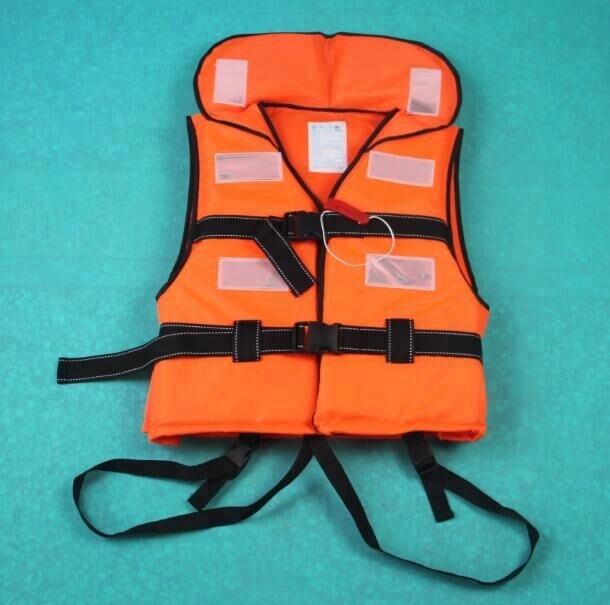 MT-LJ01 150N Buoyancy Life Jacket Vest | Oxford Fabric, SOLAS Reflective, Personal Rescue
 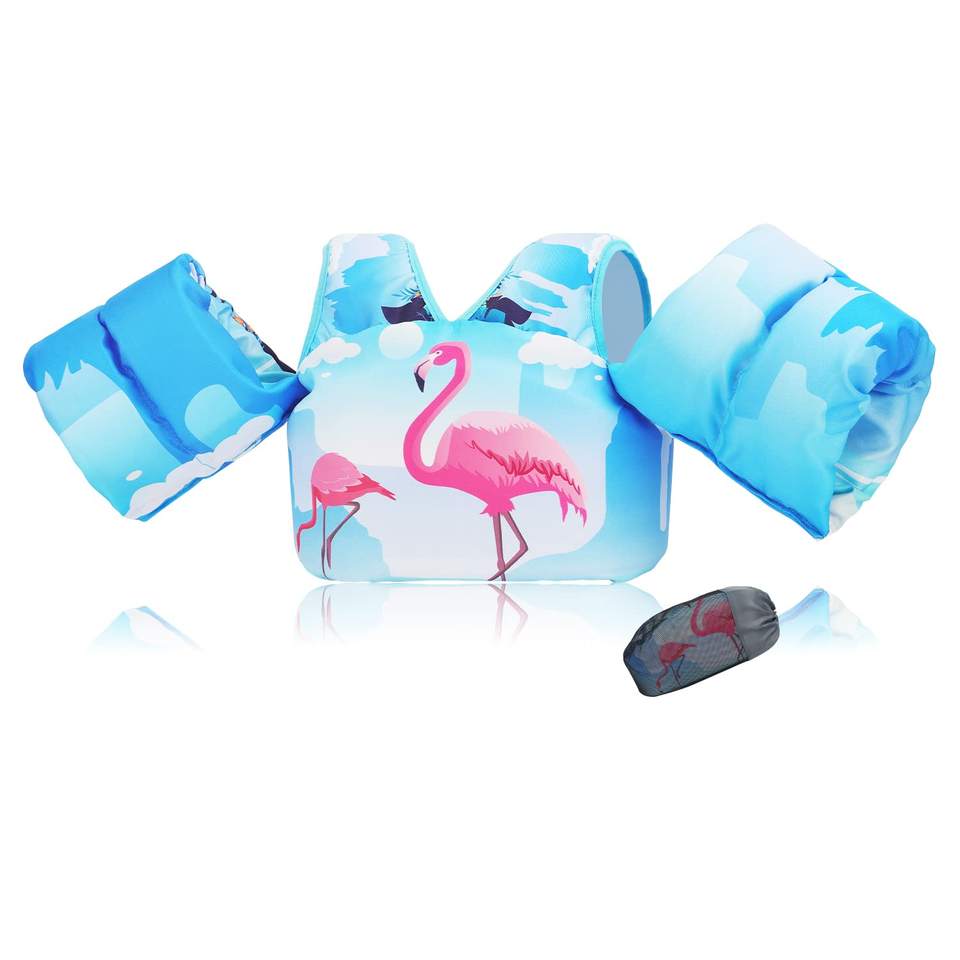 Custom Flamingo Kids Swim Vest | Neoprene Life Jacket with Adjustable Buckle
 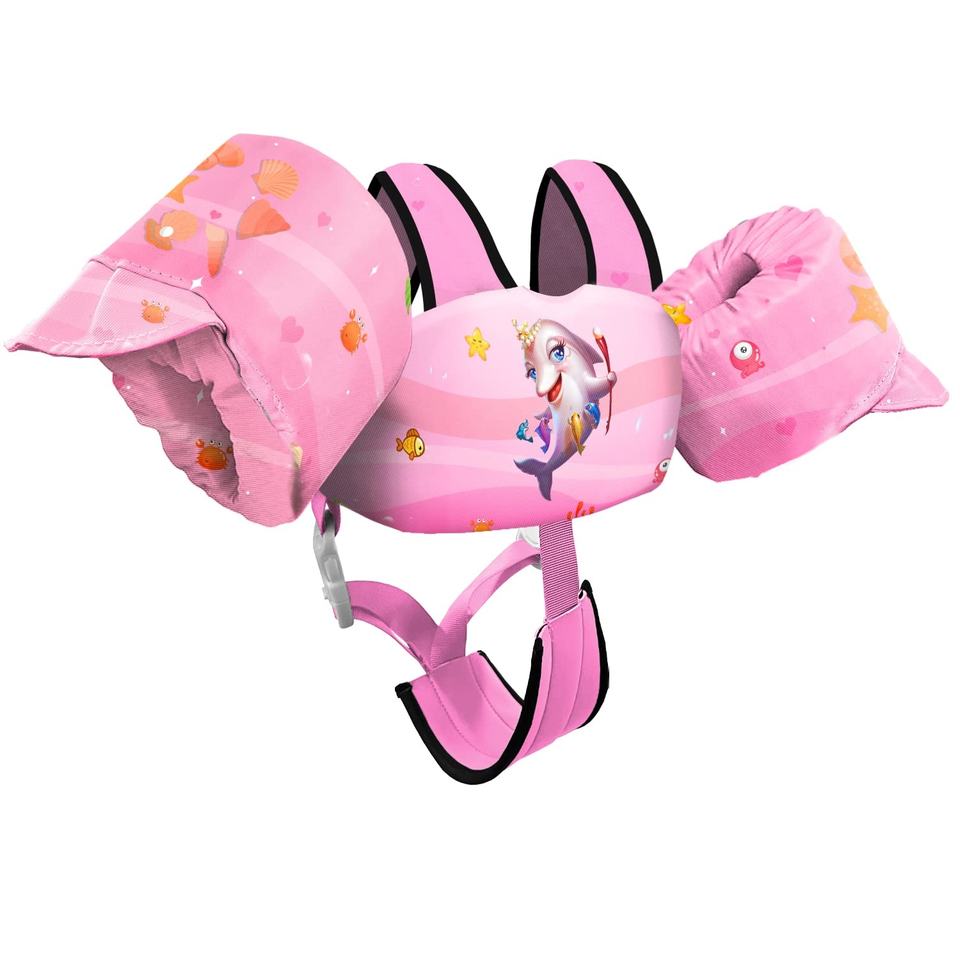 Eco-Friendly Neoprene Kids Swim Vest with Armbands | Toddler Floatation Device
 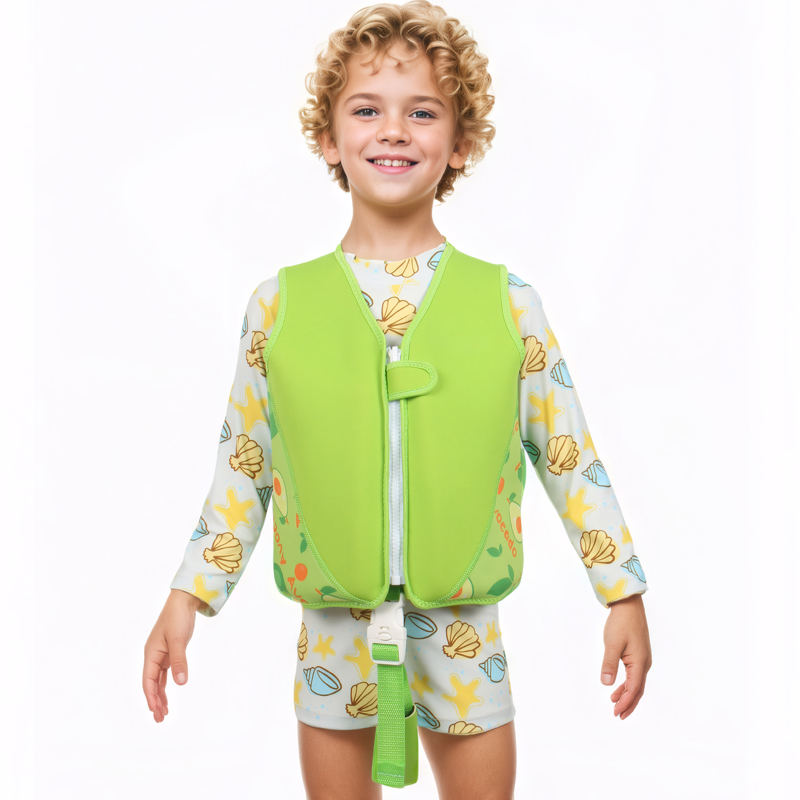 Premium Neoprene Kids Life Vest | Waterproof Baby Float Life Jacket for Swimming
 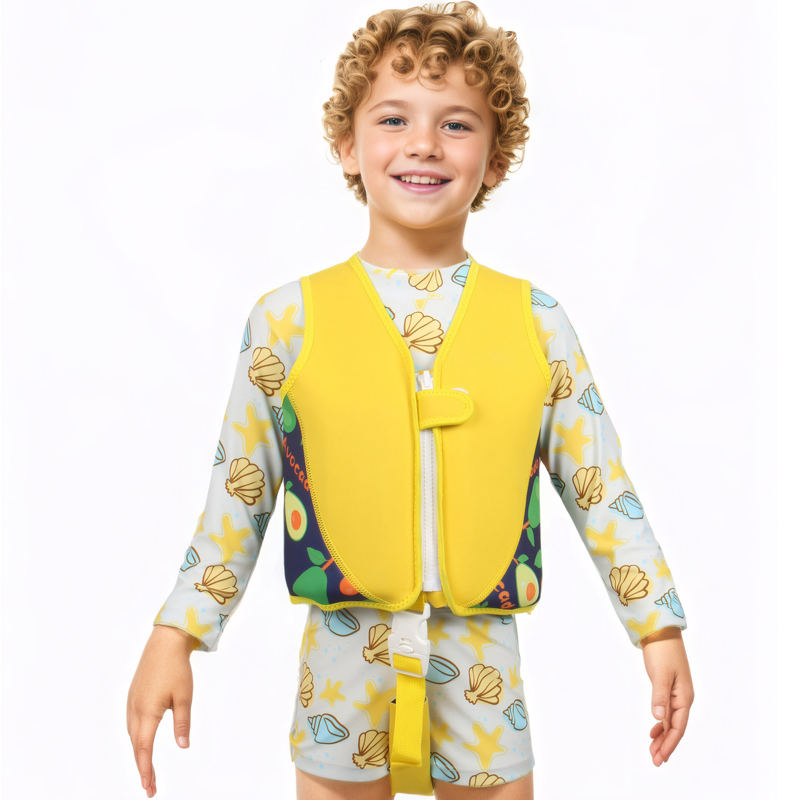 Cartoon Printed Neoprene Kids Life Vest | Eco-Friendly Buoyancy Swimwear
 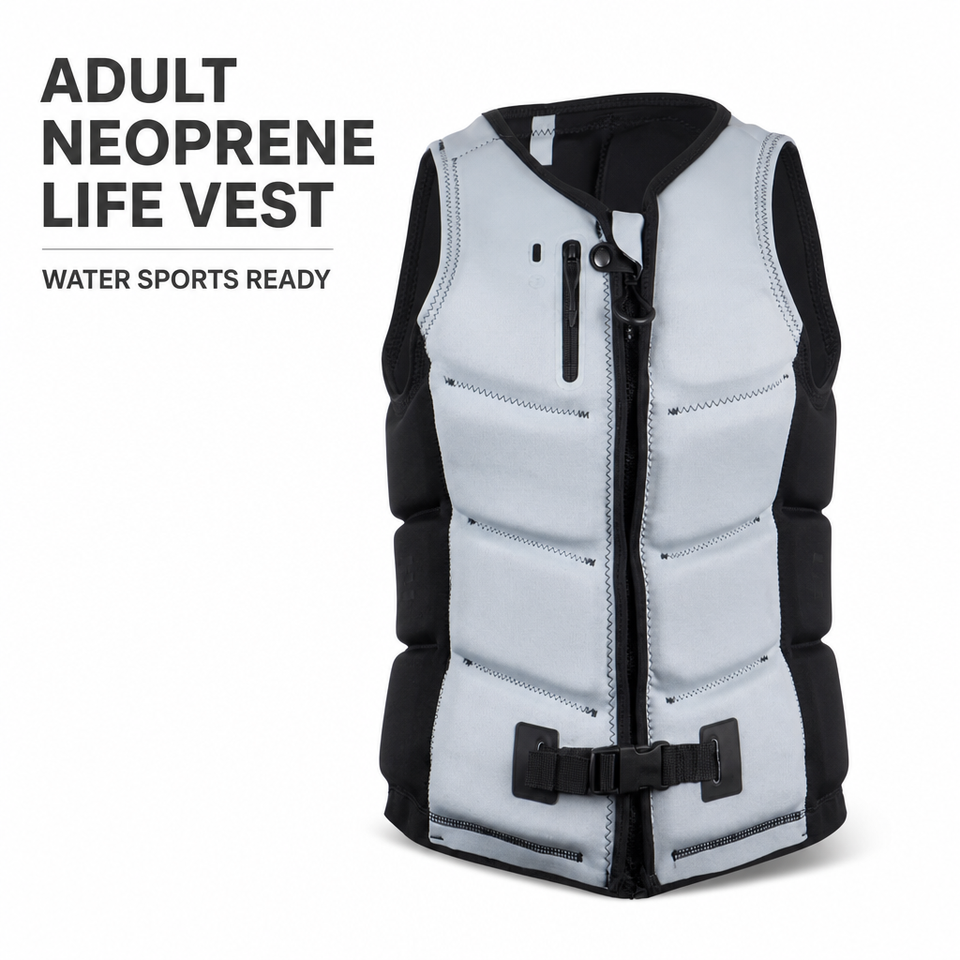 Premium Neoprene Adult Life Jacket | Custom Logo Swim Vest for Water Sports