 English
 简体中文
简体中文 Русский
 Español
 Deutsch
Why a Properly Fitted Life Jacket Is Critical for Kids
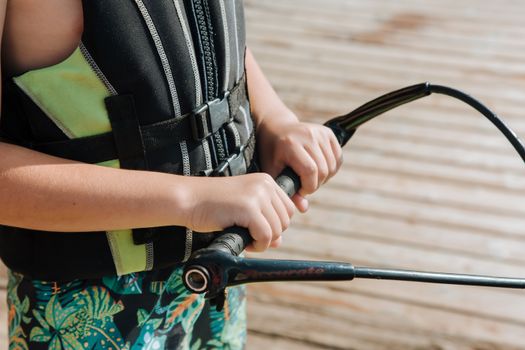
When it comes to water safety, a life jacket is the single most important piece of gear for your child. But here's the catch: a life jacket only works if it fits correctly. An ill-fitting jacket can slip off, ride up over the head, or fail to keep a child's face above water. That's why understanding a life jacket size chart for kids is essential for every parent, guardian, and caregiver.
Unlike adult life jackets, which often come in generic sizes, kids' life jackets are designed with specific weight and chest measurements in mind. Children's body proportions change rapidly, and a jacket that fits a 30-pound toddler won't work for a 50-pound first-grader. This guide will walk you through everything you need to know about life jacket sizing for kids, from reading a size chart to testing the fit, so you can find the perfect match and keep your little ones safe on the water.
Understanding Life Jacket Sizing Standards for Children
In the United States, life jackets for kids are regulated by the U.S. Coast Guard (USCG). They are classified by weight, not age, because weight is a more accurate indicator of buoyancy needs. The USCG requires that all life jackets for children display a label with the weight range they are designed to fit. Common weight ranges include:
- Infant: 8–30 lbs (usually for babies under 1 year)
- Child: 30–50 lbs (typically ages 2–5)
- Youth: 50–90 lbs (typically ages 6–12)
- Teen: 90+ lbs (often moves into adult sizes)
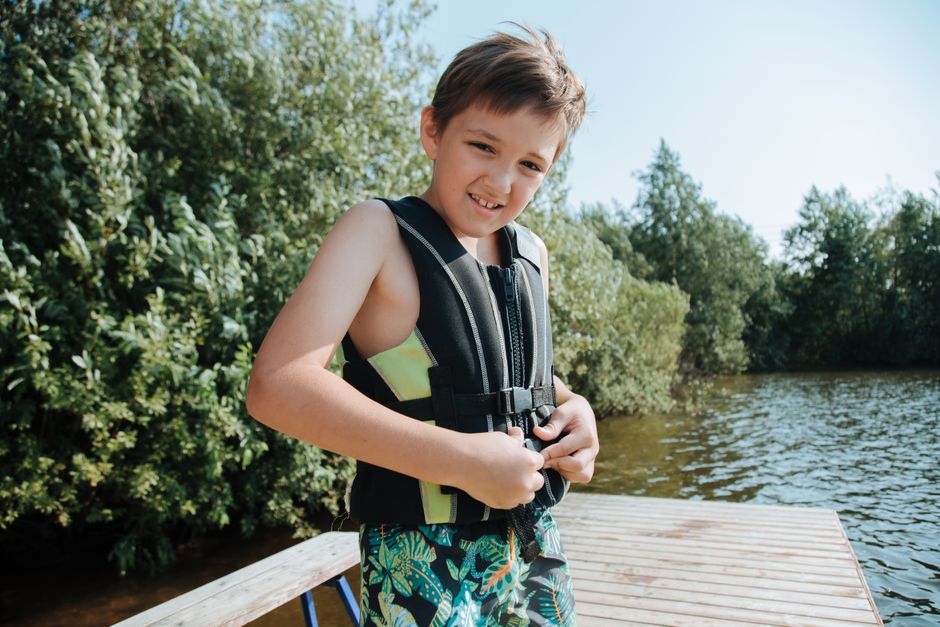
However, weight alone isn't enough. Chest size also plays a critical role, especially for children who are tall or stocky for their weight. A life jacket that's too loose in the chest can slip up, while one that's too tight can restrict breathing. That's why many manufacturers provide a size chart that combines both weight and chest circumference.
How to Read a Life Jacket Size Chart for Kids
Most life jacket size charts for kids are presented in a table format. Here's a typical example:
| Size | Weight Range | Chest Circumference | Approximate Age |
|---|---|---|---|
| Infant | 8–30 lbs | Up to 20" | 0–1 year |
| Child | 30–50 lbs | 20–25" | 2–5 years |
| Youth | 50–90 lbs | 25–29" | 6–12 years |
| Teen | 90–120 lbs | 29–32" | 12–14 years |
To use this chart effectively, start by weighing your child and measuring their chest circumference at the fullest point. Then, find the size that matches both measurements. If your child falls between sizes, always choose the larger size for safety—but be aware that a jacket that's too large can also be dangerous. In that case, look for a jacket with adjustable straps or a snugger fit in the chest.
Remember: age is only a rough guide. A small 6-year-old might still fit a Child size, while a large 4-year-old might need a Youth size. Always prioritize weight and chest measurements over age.
Types of Kids' Life Jackets and Their Sizing Nuances
Not all life jackets are created equal. There are several types, each with its own sizing considerations:
Type I: Offshore Life Jackets
These are designed for rough, open water and provide the most buoyancy. They are bulky and often come in universal sizes, but for kids, you'll find specific weight ranges. Because they are bulky, proper sizing is crucial to prevent the jacket from riding up.
Type II: Near-Shore Buoyancy Vests
These are less bulky and intended for calm, inland waters. They come in a wide range of kids' sizes and often have adjustable straps. They are a popular choice for recreational boating and swimming.
Type III: Flotation Aids
These are designed for conscious, skilled swimmers in calm water. They are very comfortable and come in many sizes, but they may not turn an unconscious child face-up. For kids who are not strong swimmers, Type II is generally safer.
Type V: Special-Use Devices
These include hybrid vests and inflatable life jackets. They are not recommended for young children unless specifically labeled for their weight range.
When choosing a type, consider your child's swimming ability and the water conditions. Always check the USCG approval label and the size chart provided by the manufacturer.
Step-by-Step: How to Measure Your Child for a Life Jacket
Getting accurate measurements is key to finding the perfect fit. Follow these steps:
- Weigh your child: Use a reliable scale. If you don't have one, a recent doctor's visit weight will work.
- Measure chest circumference: Wrap a soft measuring tape around the fullest part of your child's chest, under the arms. Keep the tape snug but not tight.
- Measure torso length (optional): Some life jackets also list torso length. Measure from the base of the neck to the waist.
- Check the size chart: Compare your measurements to the manufacturer's chart. If your child is at the upper limit of a size, consider moving up.
- Try it on: If possible, have your child wear the life jacket in a store or at home before buying. Adjust all straps and check for a snug fit.
The Fit Test: How to Ensure a Life Jacket Fits Properly
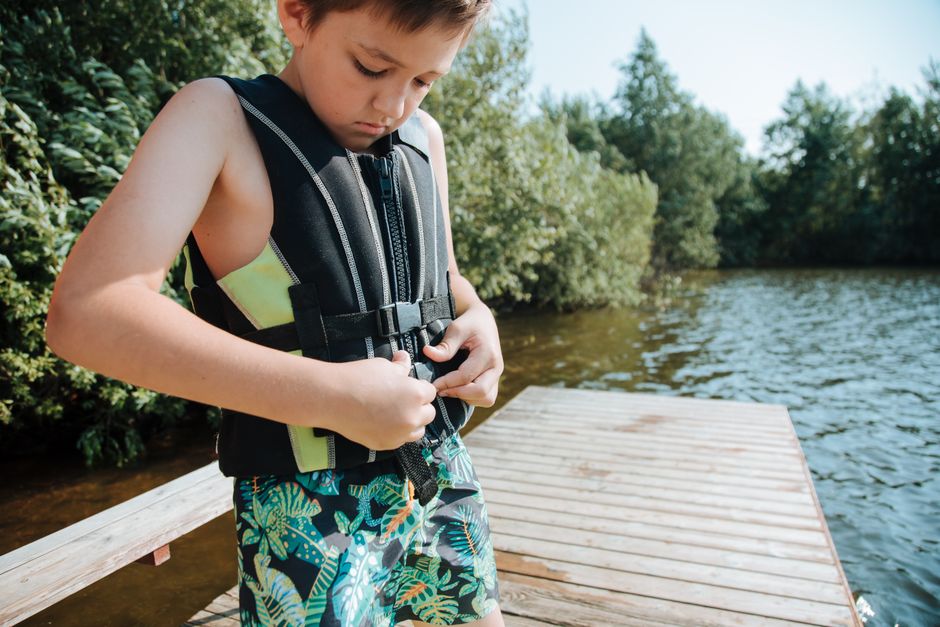
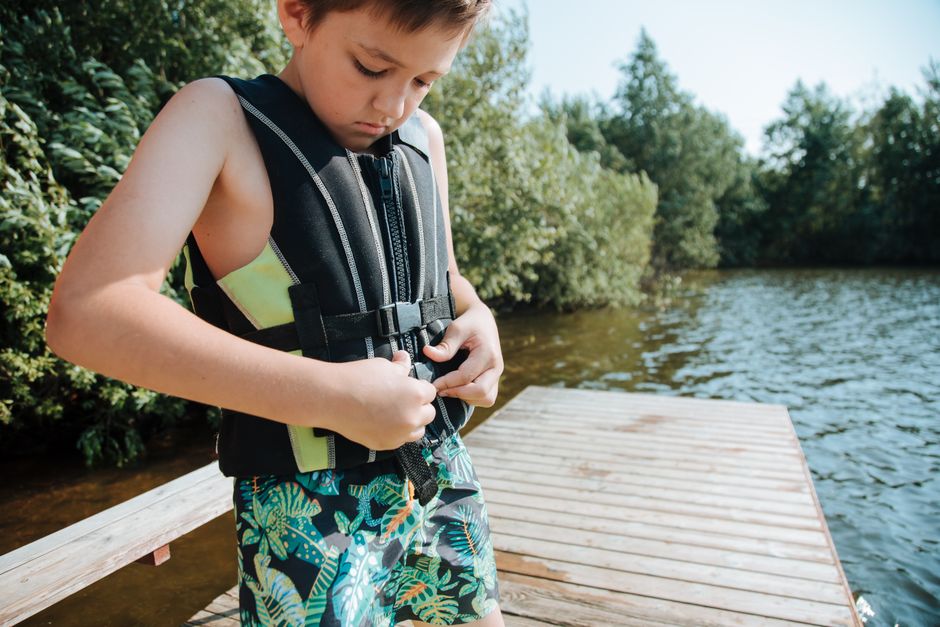
Once you have the right size, you need to test the fit. A properly fitted life jacket should:
- Be snug but not restrictive. You should be able to slide two fingers under the shoulder straps.
- Not ride up over the chin or ears when you lift your child by the shoulders.
- Stay in place when your child raises their arms. If the jacket lifts above the chin, it's too loose.
- Have all straps and buckles securely fastened. Zip up the zipper and tighten all adjustable straps.
Perform the "tug test": With the jacket on and fastened, grab the shoulders of the life jacket and gently pull up. The jacket should not move more than 1–2 inches. If it slides up over the chin, it's too big or too loose.
Also, have your child move around—sit, stand, and raise their arms. The jacket should stay in place without causing discomfort.
Common Mistakes to Avoid When Sizing Kids' Life Jackets
Even well-meaning parents can make mistakes. Here are some pitfalls to watch out for:
- Buying for growth: A life jacket that's too big won't keep your child safe. It's better to buy the correct size now and replace it as they grow.
- Relying solely on age: As mentioned, weight and chest size are more accurate. A 5-year-old who weighs 60 lbs needs a Youth size, not a Child size.
- Ignoring the type of water: A calm-water vest isn't suitable for offshore boating. Match the jacket type to the activity.
- Not testing in water: A jacket that feels fine on land might behave differently in water. If possible, test it in a pool or shallow water under supervision.
- Using hand-me-downs without checking: Life jackets degrade over time. Check for tears, missing straps, or faded labels. Also, ensure the size still fits your child.
Top Features to Look for in a Kids' Life Jacket
Beyond size, consider these features for comfort and safety:
- Adjustable straps: Look for multiple adjustment points (shoulders, sides, waist) for a custom fit.
- Leg straps: For infants and toddlers, a crotch strap prevents the jacket from riding up.
- Grab handle: A sturdy handle on the collar allows you to lift your child out of the water quickly.
- Bright colors: High-visibility colors like orange, yellow, or red make it easier to spot your child in the water.
- Reflective tape: Enhances visibility in low-light conditions.
- Comfort features: Soft neoprene collars, mesh drainage, and lightweight materials encourage kids to wear them without complaint.
When to Replace a Kids' Life Jacket
Life jackets don't last forever. Replace your child's life jacket if:
- It no longer fits (weight or chest size out of range).
- The fabric is torn, faded, or brittle.
- Straps, buckles, or zippers are broken or missing.
- The buoyancy material is compromised (e.g., waterlogged foam).
- The USCG approval label is illegible.
Also, if your child has outgrown the jacket, pass it down only if it's in good condition and fits the next child properly.
FAQs About Life Jacket Sizing for Kids
Can my child wear an adult life jacket?
No. Adult life jackets are too large and will not keep a child's head above water. They can slip off or cause the child to float face-down. Always use a jacket sized for your child's weight and chest.
What if my child is between sizes?
Choose the larger size only if it can be adjusted to fit snugly. If not, look for a different brand or model that offers a better fit for your child's proportions.
How often should I check the fit?
Check the fit before every use, as children grow quickly. Also, re-check after any adjustments or if the jacket has been stored for a long time.
Are inflatable life jackets safe for kids?
Inflatable life jackets are generally not recommended for children under 16 unless specifically designed and approved for their weight. They require manual activation and may not be suitable for non-swimmers.
Final Tips for a Perfect Fit
Finding the perfect life jacket for your child doesn't have to be overwhelming. Remember these key points:
- Always use weight and chest measurements, not age alone.
- Choose the right type for your water activity.
- Perform the tug test and adjust straps for a snug fit.
- Look for comfort features that make your child want to wear it.
- Replace worn or outgrown jackets promptly.
By following this guide and using a reliable life jacket size chart for kids, you'll ensure your child stays safe and comfortable on every water adventure. A well-fitted life jacket is not just a requirement—it's peace of mind for you and a lifesaver for your child.
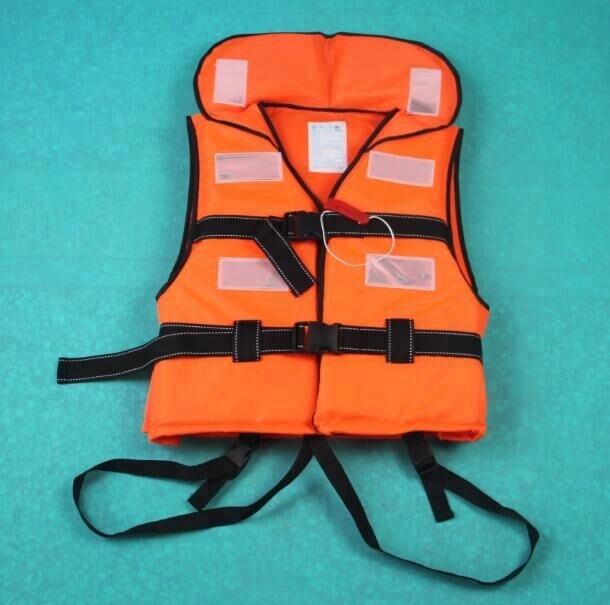 MT-LJ01 150N Buoyancy Life Jacket Vest | Oxford Fabric, SOLAS Reflective, Personal Rescue
 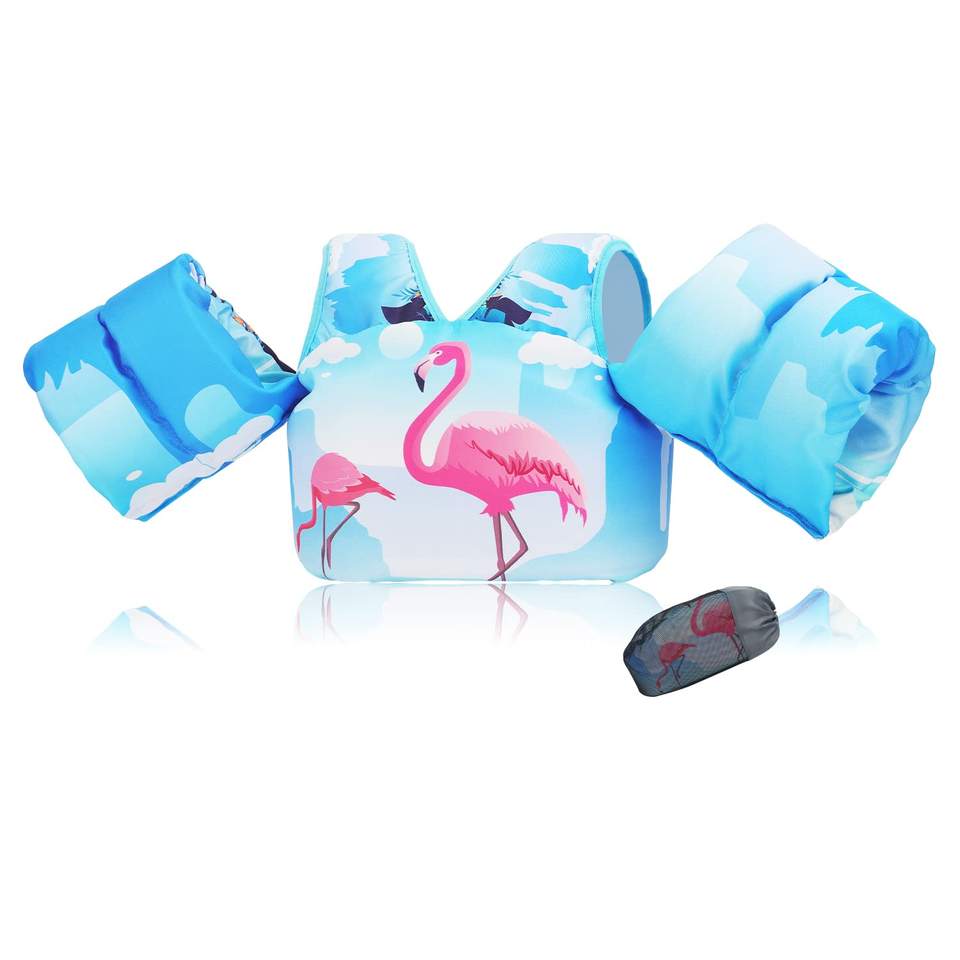 Custom Flamingo Kids Swim Vest | Neoprene Life Jacket with Adjustable Buckle
 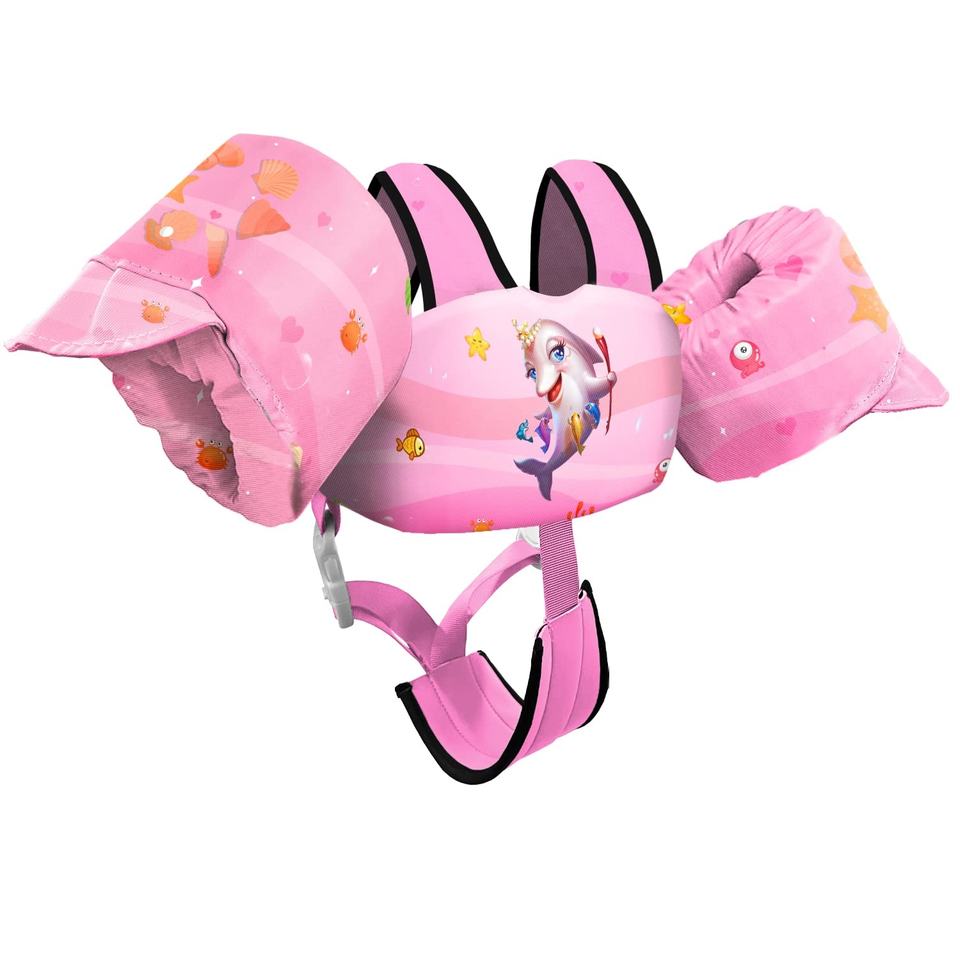 Eco-Friendly Neoprene Kids Swim Vest with Armbands | Toddler Floatation Device
 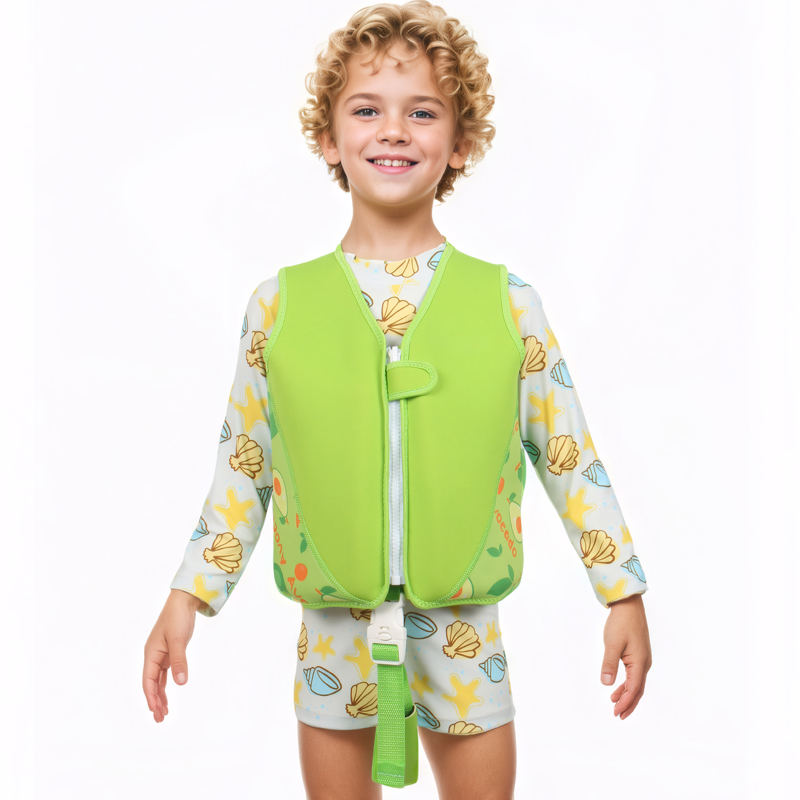 Premium Neoprene Kids Life Vest | Waterproof Baby Float Life Jacket for Swimming
 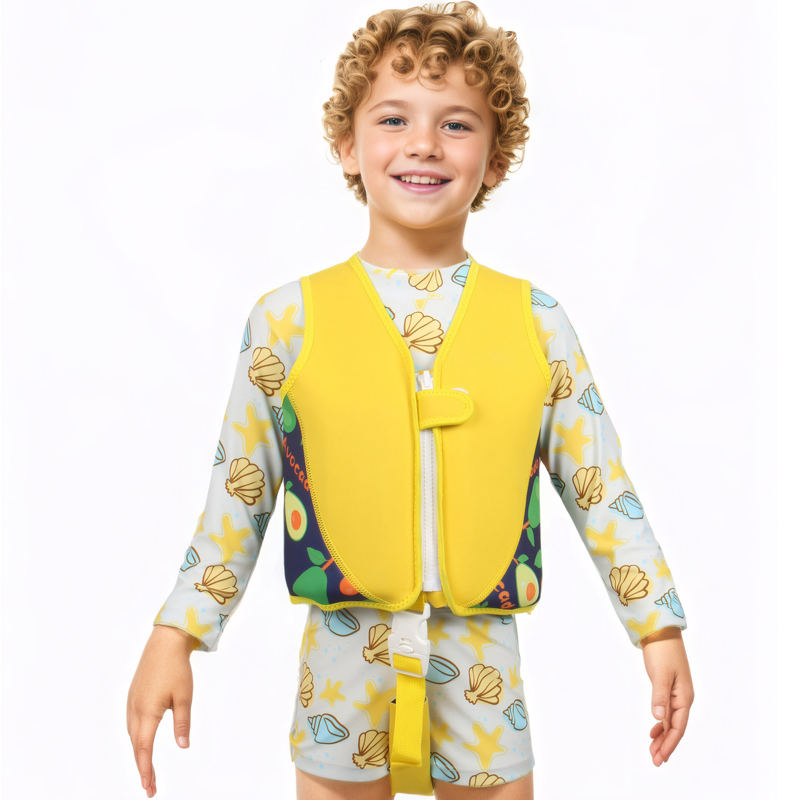 Cartoon Printed Neoprene Kids Life Vest | Eco-Friendly Buoyancy Swimwear
 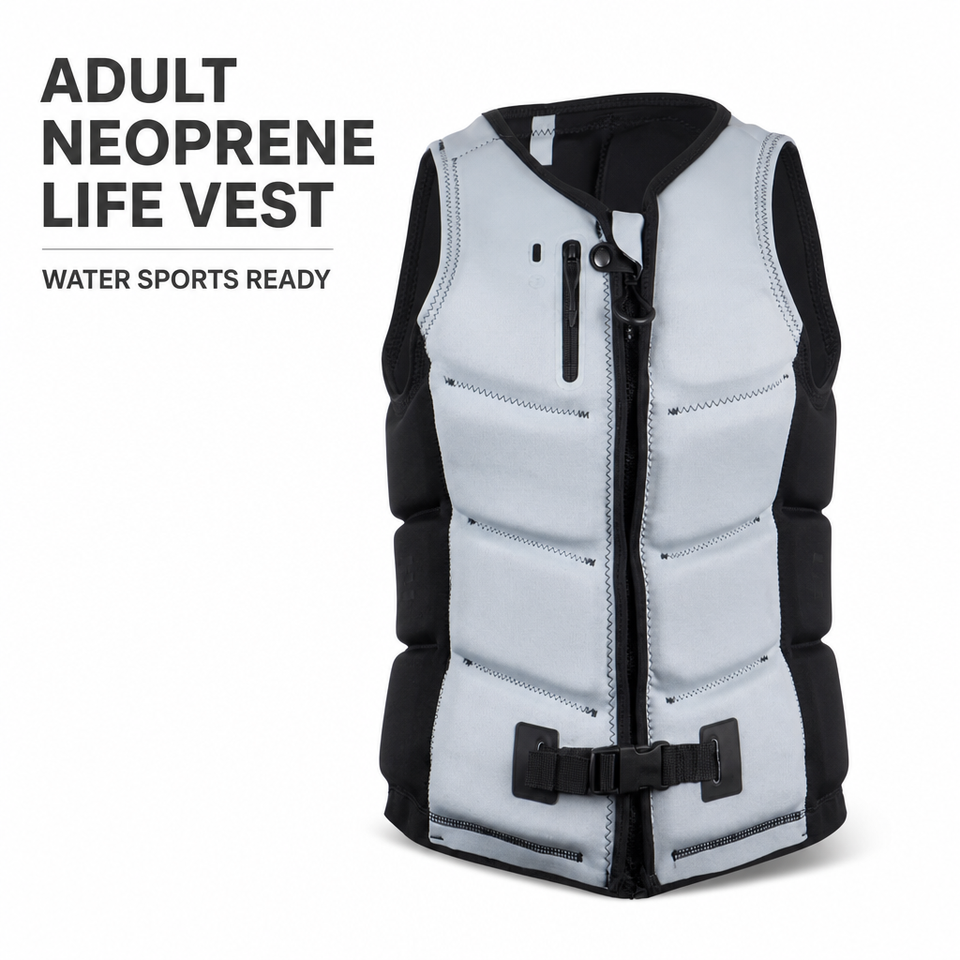 Premium Neoprene Adult Life Jacket | Custom Logo Swim Vest for Water Sports