 English
 简体中文
简体中文 Русский
 Español
 Deutsch
Artificial Turf Maintenance Tips for Commercial Use
Expert artificial turf maintenance tips for commercial use. Learn daily, monthly, and seasonal care to extend turf life and cut costs. Read the full guide!
Why Commercial Artificial Turf Needs a Maintenance Plan
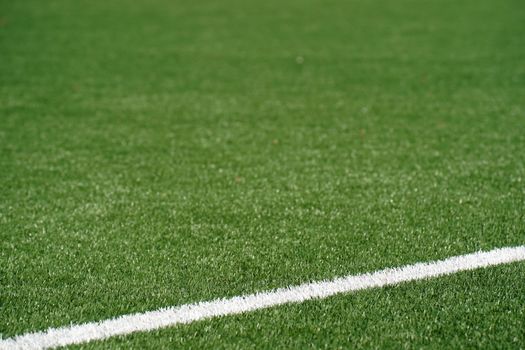
Artificial turf has become the surface of choice for commercial properties, sports facilities, retail plazas, hotels, schools, and municipal spaces. It offers year-round green color, eliminates mud and dust, and dramatically reduces water consumption. However, the assumption that synthetic grass is "maintenance-free" is one of the most expensive myths in the industry. Commercial turf endures far more traffic than residential lawns, and without a structured maintenance plan, it can mat down, lose resilience, retain odors, and fail years before its expected lifespan.
This guide outlines practical, field-tested maintenance tips for commercial artificial turf. Whether you manage a sports complex, a shopping center, or a corporate campus, these strategies will help you protect your investment, control long-term costs, and keep the surface safe and attractive for every user.
Understanding the Difference Between Residential and Commercial Turf Care
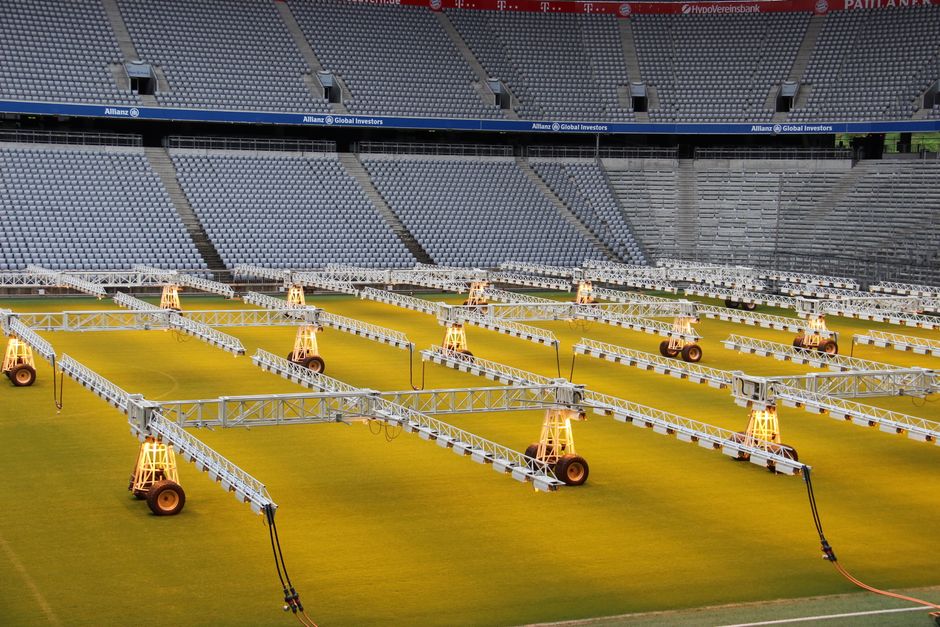
Residential turf might see a family and a dog a few times a day. Commercial turf may host hundreds or thousands of users weekly. That difference changes everything about maintenance frequency and method.
- Traffic volume: High-traffic commercial surfaces need weekly inspections and monthly deep cleaning.
- Infill displacement: Sports fields and playgrounds lose infill quickly, requiring regular top-ups.
- Safety standards: Commercial installations often must meet impact attenuation, slip resistance, and accessibility requirements.
- Liability exposure: A poorly maintained surface can create trip hazards, drainage problems, and injury risks.
Treat commercial turf as infrastructure, not decoration. A documented maintenance schedule is your first line of defense.
Daily and Weekly Maintenance Routines
1. Keep the Surface Free of Debris
Leaves, twigs, food wrappers, and cigarette butts are the most common causes of clogged drainage and staining. A quick daily sweep with a backpack blower or a wide push broom removes most surface debris before it works its way into the fibers.
2. Inspect High-Traffic Zones
Walk the field or plaza at least once a week. Check goal mouths, entry gates, walkways, and seating areas where wear concentrates. Look for:
- Flattened or matted fibers
- Visible seams or lifted edges
- Low spots where water pools
- Displaced or compacted infill
- Stains, gum, or sticky residues
3. Address Spills Immediately
Commercial spaces see coffee, soda, grease, and pet waste. Blot liquids with a clean cloth, then rinse with mild soap and water. The longer a stain sits, the deeper it bonds to the fiber and backing.
Deep Cleaning: The Monthly and Quarterly Checklist
Surface sweeping is not enough for commercial turf. Deep cleaning restores appearance and performance.
| Task | Frequency | Purpose |
|---|---|---|
| Power brooming or brushing | Monthly | Lifts matted fibers, redistributes infill |
| Pressure washing (low pressure) | Quarterly | Removes embedded dirt and allergens |
| Infill top-up | Quarterly or as needed | Maintains weight, stability, and safety |
| Drainage inspection | Quarterly | Prevents pooling and freeze-thaw damage |
| Professional deep clean | Annually | Extends lifespan, restores like-new look |
Power Brooming and Fiber Recovery
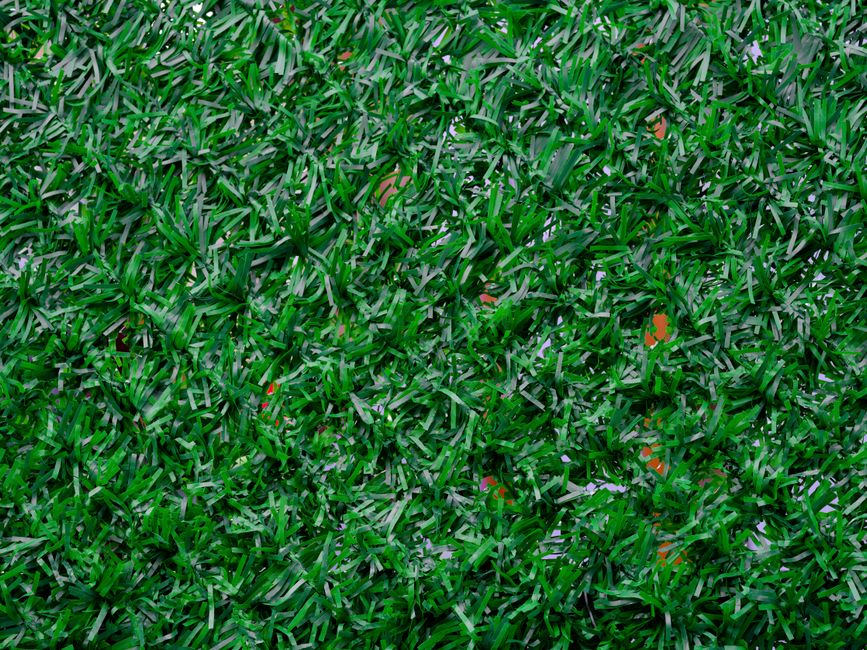
Over time, foot traffic and sunlight cause fibers to lean and flatten. A power broom or rotary brush lifts them back to a vertical position. For large commercial fields, use a tow-behind brush unit. For plazas and rooftops, a walk-behind unit is usually sufficient.
Low-Pressure Washing
Never use a high-pressure washer directly on synthetic turf. High pressure can fray fibers, damage the backing, and blast infill out of place. Use a fan-tip nozzle at low pressure, work in sections, and rinse thoroughly with clean water.
Infill Management
Infill is the backbone of commercial turf performance. It holds fibers upright, provides weight, and cushions impacts. Silica sand, crumb rubber, and coated sands all settle and migrate over time. Check depth with a simple gauge and top up to the manufacturer's specification. Keep a log of how much infill you add and where, so you can spot chronic migration patterns.
Stain Removal and Odor Control
Commercial turf is exposed to everything from chewing gum to pet urine. Fast, correct treatment prevents permanent damage.
- Chewing gum: Freeze it with an aerosol cooling spray, then chip it off with a plastic scraper.
- Grease and oil: Apply a citrus-based degreaser, agitate gently, and rinse.
- Pet waste: Remove solids, rinse the area, and apply an enzyme-based cleaner that breaks down uric acid crystals.
- Mold or mildew: Improve airflow, remove shade sources where possible, and treat with a diluted vinegar solution or a turf-safe antimicrobial.
For pet-friendly commercial spaces, consider installing a turf with antimicrobial backing or adding a zeolite-based infill that neutralizes odors at the source.
Drainage and Water Management
Proper drainage protects both the turf and the sub-base. After heavy rain, walk the area and note any standing water. Common causes include compacted infill, clogged perforations, and debris blocking drainage channels. Aerate the infill with a spike roller or power broom, clear all drains, and repair any low spots with fresh base material and infill. In colder climates, standing water that freezes can crack the backing and create hazardous ice patches.
Seasonal Maintenance for Commercial Properties
Spring
Inspect for winter damage, remove debris, top up infill, and schedule a deep clean before peak season.
Summer
Monitor heat buildup. On very hot days, synthetic turf can become uncomfortably warm. Light irrigation can cool the surface by 20-30 degrees, but only if drainage allows.
Fall
Leaf removal becomes critical. Wet leaves create slip hazards and stain the turf. Increase blowing frequency and check gutters and drains.
Winter
Never use metal shovels or rock salt on artificial turf. Use a plastic shovel or a snow blower with a rubber-tipped auger. For ice, use turf-safe de-icing products or sand. Avoid calcium chloride and sodium chloride, which can degrade fibers and backing over time.
Protecting Turf From Heavy Use and Equipment
Commercial turf often hosts tents, stages, bleachers, and food trucks. These can crush fibers and leave permanent dents.
- Place plywood or protective mats under heavy equipment.
- Rotate bleachers and temporary structures to spread wear.
- Set up designated walkways with turf protection mats for events.
- Keep vehicles off the turf unless the surface is rated for it.
For multi-use fields, rotate activity zones and consider adding removable protective covers at goal mouths and high-wear entrances.
When to Call a Professional
Some tasks are best left to certified turf maintenance companies. Schedule professional service when you notice:
- Widespread fiber matting that brushing cannot fix
- Seam separation or backing delamination
- Persistent drainage failure
- Significant infill loss across large areas
- Safety concerns related to impact attenuation
Professionals have specialized equipment such as deep-clean extraction machines, infill redistribution systems, and G-max testing devices for sports surfaces. Their inspections also provide documentation that can support insurance and compliance requirements.
Building a Maintenance Budget and Schedule
A realistic commercial turf maintenance budget typically runs 1-3% of the installation cost per year. That investment pays for itself by extending turf life from 8 years to 12-15 years and by preventing costly emergency repairs. Build a simple calendar with daily, weekly, monthly, quarterly, and annual tasks, assign responsibility to specific staff or vendors, and keep written records. Documentation also helps with warranty claims, since most manufacturers require proof of proper maintenance.
Key Takeaways
Commercial artificial turf is durable, but it is not self-maintaining. Daily debris removal, weekly inspections, monthly deep cleaning, quarterly infill and drainage checks, and annual professional service will keep your surface safe, attractive, and profitable for years. Train your team, document every task, and treat maintenance as a core part of your property operations. The result is a greener, cleaner, and longer-lasting commercial space that reflects well on your brand and protects every user who steps onto it.