 English
 简体中文
简体中文 Русский
 Español
 Deutsch
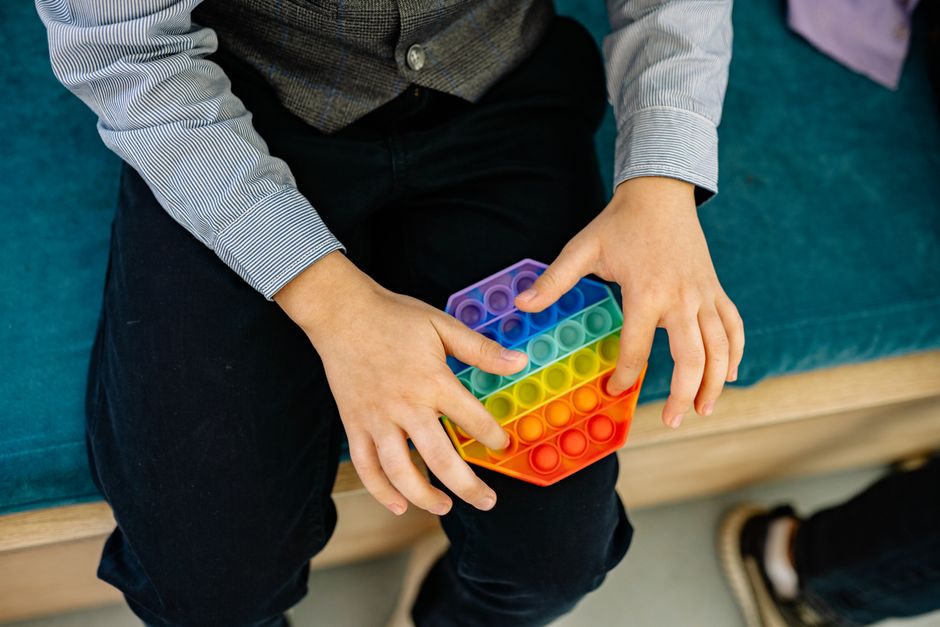
1. Fidget Toys That Channel Restless Energy
Kids with ADHD often have a hard time sitting still, and that restlessness isn't misbehavior — it's a brain that's seeking stimulation to stay alert. Fidget toys give those busy hands a quiet job so the thinking brain can focus. A good fidget is silent, small, and durable enough to survive a backpack, a pocket, and daily use.
Look for options like twistable coil toys, textured putty, marble-filled mesh sleeves, or clicker cubes. Avoid anything that makes loud noises or lights up, since those become a distraction for classmates and siblings. Rotate two or three fidgets every couple of weeks so novelty keeps working in your child's favor.
One practical tip: introduce a fidget as a tool, not a toy. Explain that it helps the brain listen, then practice using it during homework or story time before bringing it to school. Teachers are far more likely to allow it when they see it supports attention rather than derails it.
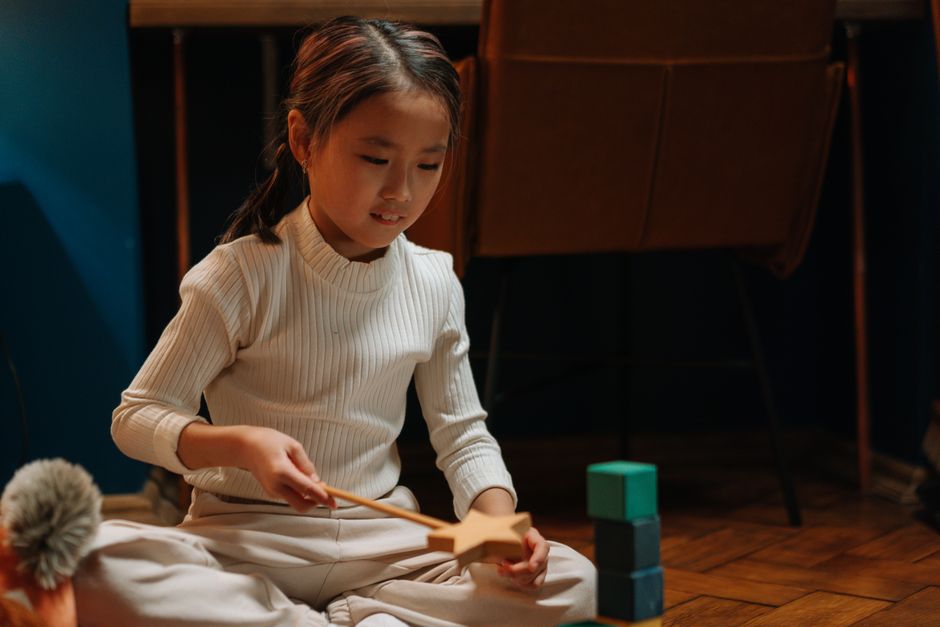
2. Building Sets for Deep, Calming Focus
Construction toys are a favorite among occupational therapists and parents of kids with ADHD because they offer what researchers call a "flow state" — a stretch of absorbed, satisfying concentration. Snapping bricks, magnetic tiles, or interlocking gears provide clear goals, immediate feedback, and a finished product your child can feel proud of.
Choose sets that match your child's frustration tolerance. A 500-piece kit may overwhelm a kid who struggles with patience, while a 60-piece magnetic tile set can be completed in one sitting and still leave room for creative expansion. Larger, chunkier pieces are also easier for kids with fine motor delays, which frequently overlap with ADHD.
Keep a dedicated bin or tray for building pieces so cleanup doesn't turn into a battle. When the barrier to starting is low, kids return to these toys again and again — and every return is another rep of sustained attention.
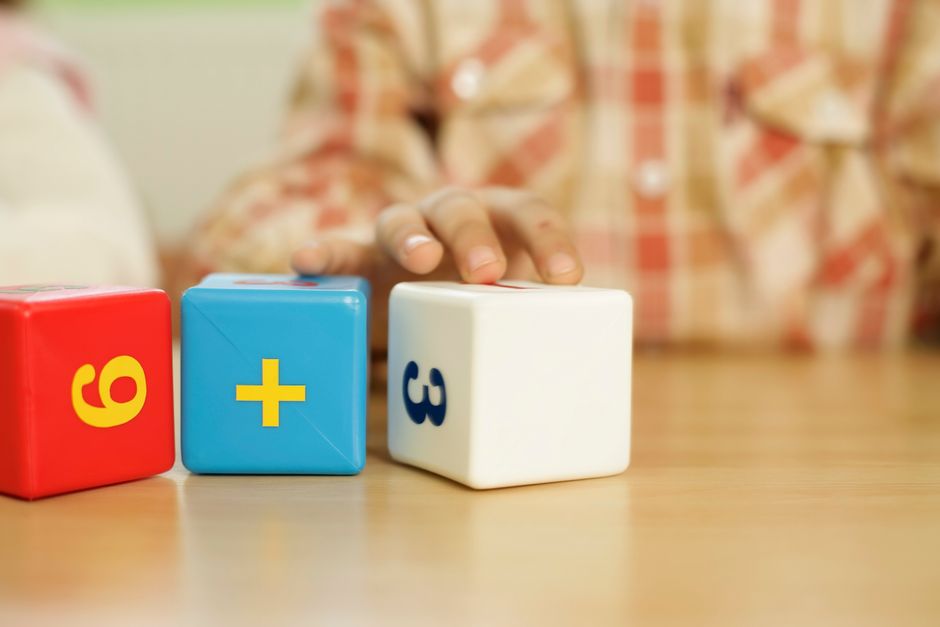
3. Sensory Toys That Regulate Big Feelings
ADHD and sensory processing differences often travel together. Weighted blankets, squeeze balls, kinetic sand, and textured cushions can help a child's nervous system settle when emotions spike. These toys don't just entertain — they help regulate, which makes transitions, homework, and bedtime noticeably smoother.
Sensory bins filled with rice, beans, or water beads are inexpensive and endlessly reconfigurable. Add scoops, cups, and small hidden figures to turn them into a calm-down station. For kids who crave movement, a wobble cushion or balance board under a chair lets them wiggle while staying seated.
Watch your child's cues to learn what they need. Some kids seek pressure and deep hugs; others need light touch and quiet. A small shelf of sensory options lets them choose their own regulation tool, which builds self-awareness alongside play skills.
4. Active Toys That Burn Energy Productively
Movement is medicine for the ADHD brain. Physical play boosts dopamine and norepinephrine — the same chemicals targeted by many ADHD medications — which improves focus for the next 30 to 60 minutes. That means a trampoline session before homework isn't a delay; it's preparation.
Indoor-friendly options include mini trampolines with handle bars, balance beams, foam pogo sticks, and hallway bowling sets. Outdoors, look for scooters, basketball hoops, and obstacle course kits that can be rearranged into new challenges. Novelty keeps kids engaged, and engagement keeps them moving.
Safety matters, especially for impulsive kids. Set clear boundaries, use helmets and pads, and store high-energy equipment where it can't be used unsupervised. Ten minutes of structured movement can transform a chaotic afternoon into a focused one.
5. Strategy Games That Build Executive Function
Board games and card games are sneaky brain training. Turn-taking, planning ahead, and managing disappointment all exercise executive function — the exact skill set ADHD makes difficult. Games like Connect Four, Uno, and cooperative titles such as Hoot Owl Hoot teach patience without feeling like a lesson.
Start with short games that end in under 15 minutes so your child experiences success before attention fades. Cooperative games are especially valuable because everyone wins or loses together, reducing the sting of defeat and the meltdowns that can follow.
Narrate your own thinking out loud — "I'm going to save this card for later" — to model planning and impulse control. Over time, kids internalize that self-talk and use it in real-life situations like waiting in line or finishing chores.
6. Creative Toys That Reward Hyperfocus
Many kids with ADHD can concentrate for hours on something they love. Creative toys — art supplies, modeling clay, bead kits, and beginner coding robots — tap into that hyperfocus and turn it into a strength rather than a struggle. The key is matching the medium to your child's interests.
Open-ended materials beat single-outcome kits. A box of clay can become a zoo, a bakery, or a spaceship, so it grows with your child instead of being abandoned after one project. Keep supplies visible and accessible; if art materials are buried in a closet, they won't get used.
Display finished work on a shelf or fridge to reinforce effort. Kids with ADHD receive a lot of correction, so visible evidence of their competence is genuinely motivating.
7. Tech and Adaptive Toys With Built-In Structure
Screen-based toys get a bad reputation, but the right ones can scaffold focus. Apps and devices with timers, checklists, and clear rewards help kids practice time management. Adaptive toys designed for neurodiverse learners often include adjustable difficulty, audio instructions, and visual prompts.
Set firm limits: use a visual timer, choose apps without ads or infinite scroll, and pair screen time with a hands-on activity afterward. The goal is using tech as a tool, not a pacifier.
| Toy Type | Best For | Example |
|---|---|---|
| Fidget | Restless hands | Coil twist toy |
| Building | Sustained focus | Magnetic tiles |
| Sensory | Emotional regulation | Kinetic sand |
| Active | Energy release | Mini trampoline |
| Strategy | Executive function | Cooperative board game |
Final Thoughts: Choose Toys That Meet Your Child Where They Are
There's no single perfect toy for every child with ADHD. The best choices match your kid's energy level, interests, and sensory needs — and they change as your child grows. Rotate toys regularly, keep favorites accessible, and pay attention to which ones produce calm focus instead of chaos.
Above all, remember that play is how children learn to regulate, plan, and persist. The right toy doesn't fix ADHD, but it can make daily life a little easier, a little calmer, and a lot more fun.