 English
 简体中文
简体中文 Русский
 Español
 Deutsch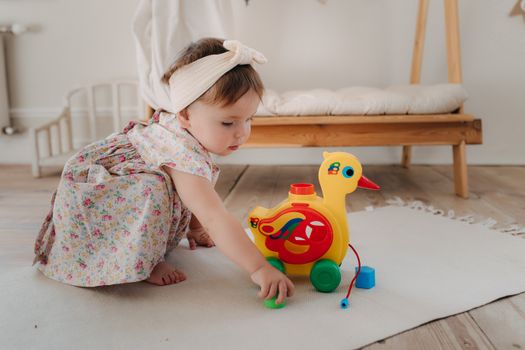
Why the First Year Matters for Toy Selection
During the first twelve months, a baby's brain grows faster than at any other time in life. By the time your little one blows out that first birthday candle, their brain will have reached roughly 60% of its adult size. Every texture they touch, every sound they hear, and every object they grasp helps build neural pathways that support language, movement, and problem-solving skills for years to come.
That is why choosing the right toys at the right time is not just about keeping your baby entertained. It is about giving them developmentally appropriate tools that match their current abilities while gently encouraging the next stage of growth. This month-by-month guide walks you through exactly what to look for, what to avoid, and how to get the most value from every toy you bring into your home.
How to Read This Guide
Every baby develops at their own pace, so treat the months below as flexible windows rather than strict deadlines. A baby born prematurely may reach milestones a few weeks later, while others sprint ahead. Use the guide as a map, not a rulebook, and always follow your baby's cues. If a toy frustrates them, put it away and try again in two weeks.
Months 0-3: Sight, Sound, and Gentle Stimulation
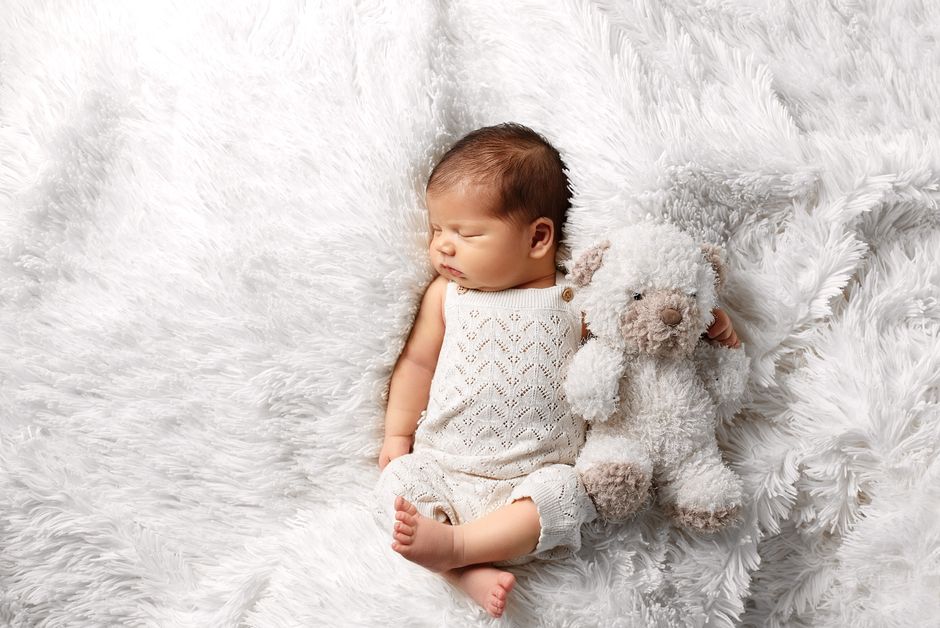
Newborns can only focus on objects 8 to 12 inches away, which is roughly the distance between their eyes and your face during feeding. Their world is blurry, high-contrast, and full of new sounds. Toys during this period should be simple, safe, and soothing.
Best Toy Types
- High-contrast black-and-white cards: Babies are drawn to strong contrasts before they can see full color. Prop these cards beside the crib or use them during tummy time.
- Soft rattles and wrist bands: Lightweight rattles that strap to the wrist or ankle help babies discover cause and effect: I move, it makes noise.
- Musical mobiles: Slow, gentle melodies can calm a fussy newborn and encourage visual tracking.
- Textured plush toys: A soft lovey with different fabric patches introduces early tactile exploration.
What to Avoid
Skip anything with small detachable parts, long strings, or loud electronic sounds. A newborn's startle reflex is easily triggered, and overstimulation can lead to tears rather than curiosity.
Months 3-6: Reaching, Grasping, and Mouthing
Around the three-month mark, babies begin to swipe at objects intentionally. By six months, most can transfer a toy from one hand to the other and will put absolutely everything in their mouth. This is normal and important: mouthing is how babies map texture and shape.
Best Toy Types
- Activity gyms: A play mat with dangling toys encourages batting, kicking, and eventually rolling over.
- Teething rings: Choose BPA-free, freezer-safe options that soothe sore gums.
- Soft blocks: Fabric or foam blocks are easy to grip and safe to chew.
- Mirrors: A shatterproof mirror helps babies discover their own reflection, a key step in self-awareness.
Practical Tip
Rotate toys every few days. Babies this age bore quickly, and novelty keeps them engaged. Keep three or four items out at a time and store the rest.
Months 6-9: Sitting Up, Scooting, and Cause-and-Effect
Once babies can sit independently, their hands are free to explore in new ways. They will bang objects together, drop them deliberately, and watch where they fall. This is the beginning of real experimentation.
Best Toy Types
- Stacking cups and rings: These teach size sequencing and hand-eye coordination.
- Pop-up and press toys: Simple buttons and levers reward curiosity with a sound or movement.
- Balls of different sizes: Soft, textured balls encourage crawling and rolling games.
- Board books: Chunky pages with bright pictures build early language exposure.
Safety Check
Anything smaller than a toilet paper tube is a choking hazard. Do a quick sweep of the floor daily, especially if you have older children with small toys.
Months 9-12: Crawling, Cruising, and Problem-Solving
In the final stretch of the first year, babies become mobile explorers. They pull themselves up, cruise along furniture, and begin to understand object permanence: things still exist even when hidden.
Best Toy Types
- Push-and-pull toys: A sturdy push walker or a pull-along animal supports those first wobbly steps.
- Shape sorters: These classic toys build spatial reasoning and patience.
- Nesting and stacking toys: Great for fine motor control and early math concepts.
- Interactive musical toys: Toys that respond to a baby's touch with songs or phrases reinforce cause and effect.
Practical Tip
Create a yes space: a baby-proofed area where your little one can roam freely without constant redirection. This builds confidence and independence.
Quick Reference: Toy Types by Age
| Age | Key Skills | Recommended Toys |
|---|---|---|
| 0-3 months | Visual tracking, listening | High-contrast cards, soft rattles, mobiles |
| 3-6 months | Grasping, mouthing | Activity gyms, teethers, soft blocks |
| 6-9 months | Sitting, cause-and-effect | Stacking cups, pop-up toys, board books |
| 9-12 months | Crawling, problem-solving | Push walkers, shape sorters, nesting toys |
Materials and Safety: What Every Parent Should Know
Look for toys labeled non-toxic, BPA-free, and phthalate-free. Wooden toys should have smooth, splinter-free surfaces and water-based paints. Plush toys should be machine washable. Avoid anything with button batteries, which can cause severe injury if swallowed. Check recall lists regularly, and inspect toys for wear and tear every week.
How Many Toys Does a Baby Really Need?
Fewer than you think. Research suggests that too many toys can overwhelm infants and reduce the quality of play. A curated collection of eight to twelve high-quality toys, rotated regularly, supports deeper engagement than a room full of plastic. Invest in open-ended toys that grow with your child, and resist the urge to buy every trending item.
Final Thoughts
The best toy for your baby is often you. Narrating your actions, singing songs, and responding to coos and babbles are the most powerful developmental tools available. Use the toys in this guide as companions to that relationship, not replacements. With a thoughtful, age-appropriate selection, you can turn playtime into a daily investment in your child's future.