 English
 简体中文
简体中文 Русский
 Español
 Deutsch
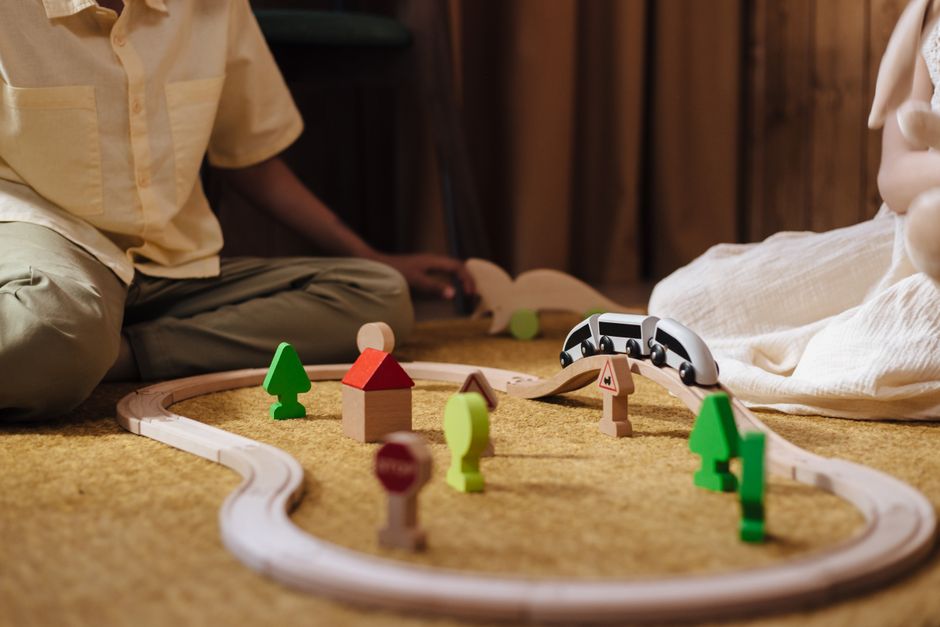
Why Toys That Grow With Your Child Are a Smart Investment
As a parent, you've likely watched a toy lose its appeal within weeks. The shiny new gadget that promised hours of entertainment ends up forgotten in a corner. This cycle of buying, boredom, and replacement is not only frustrating but also expensive. That's where toys that grow with your child come in. These are thoughtfully designed playthings that adapt to your child's developmental stages, offering new challenges and opportunities for learning as they mature. By choosing toys with longevity, you not only save money but also reduce clutter and foster deeper, more meaningful play.
In this guide, we'll explore the concept of grow-with-me toys, highlight the key features to look for, and provide smart investment picks across age groups. Whether you're a first-time parent or a seasoned pro, you'll discover how to build a toy collection that evolves alongside your child.
What Are Grow-With-Me Toys?
Grow-with-me toys are designed to be used in multiple ways over several years. They typically have adjustable features, open-ended play possibilities, or modular components that can be reconfigured. Unlike single-purpose toys, these adapt to a child's changing abilities and interests. For example, a convertible tricycle that starts as a push walker and later becomes a pedal bike is a classic grow-with-me toy. Similarly, building blocks that begin as simple stacking exercises and later become complex architectural projects offer years of engagement.
The core idea is that the toy meets the child where they are and then grows with them, rather than being outgrown quickly. This approach aligns with child development principles, as it provides appropriate challenges at each stage without requiring constant new purchases.
Key Benefits of Investing in Adaptable Toys
1. Long-Term Cost Savings
While the upfront cost of a high-quality grow-with-me toy may be higher than a cheap, single-stage toy, the cost per year of use is significantly lower. You won't need to replace it every few months, and it often retains resale value.
2. Reduced Clutter
Fewer toys that do more means less mess and more organized play spaces. This can lead to a calmer home environment and easier clean-up.
3. Enhanced Developmental Support
These toys are often designed with input from educators and child development experts. They target multiple skills—fine motor, gross motor, cognitive, and social-emotional—and can be adjusted to match your child's growing abilities.
4. Sustainability
By buying fewer, longer-lasting toys, you reduce waste and your environmental footprint. Many grow-with-me toys are made from durable, eco-friendly materials like wood or recycled plastic.
5. Encourages Deeper Play
When a toy can be used in many ways, children explore more deeply, invent new games, and stay engaged longer. This fosters creativity and problem-solving skills.
How to Choose Toys That Grow With Your Child
Not all toys labeled as 'grow-with-me' are created equal. Here are practical tips to identify the best investments.
Look for Adjustability
Toys with adjustable heights, angles, or sizes can accommodate a growing body. For instance, a balance bike with an adjustable seat and handlebars can last from age 2 to 5.
Check for Open-Ended Play Potential
Open-ended toys like blocks, magnetic tiles, and art supplies can be used in countless ways. They don't dictate a single outcome, so they remain interesting as children's imaginations develop.
Consider Modularity
Toys that can be combined, reconfigured, or expanded with add-on sets offer extended play value. Train sets, marble runs, and certain building systems are great examples.
Prioritize Durability and Safety
Invest in toys made from sturdy materials that can withstand years of use. Check for non-toxic finishes, rounded edges, and compliance with safety standards (e.g., ASTM F963, EN71).
Assess Age Range and Developmental Appropriateness
Read the manufacturer's age recommendations, but also think about your child's individual skills and interests. A toy that's too advanced may frustrate, while one that's too simple may bore.
Read Reviews and Seek Recommendations
Other parents, educators, and therapists can provide valuable insights. Look for reviews that mention longevity and versatility.
Smart Investment Picks by Age Group
Here are some of the best grow-with-me toys for different stages, along with why they're worth the investment.
Infants (0-12 months)
- Convertible Play Gym: Starts as a sensory play mat with hanging toys, then converts to a toddler activity center. Look for models that adjust overhead arches and include tummy time pillows.
- Stacking Rings with Multiple Uses: Beyond stacking, these can be used for color recognition, counting, and even as teething toys if made from food-grade silicone.
- Soft Blocks with Textures and Sounds: These grow from grasping and sensory exploration to building and pretend play.
Toddlers (1-3 years)
- Adjustable Balance Bike: Begins as a ride-on for early walkers, then becomes a balance bike as they gain confidence. Some convert to a pedal bike with a kit.
- Wooden Activity Cube: Offers a variety of activities—bead maze, shape sorter, gears—that toddlers can explore at their own pace. As they grow, they master each side.
- Magnetic Building Tiles: Start with simple 2D shapes, then advance to 3D structures. They grow with your child's spatial reasoning.
Preschoolers (3-5 years)
- Modular Playhouse or Fort Building Kit: Can be assembled in different configurations, from a simple tent to a castle. Encourages imaginative play and engineering skills.
- Beginner Board Games with Adjustable Rules: Games like cooperative board games often have simpler rules for younger players and advanced variants for older ones.
- Art Easel with Adjustable Height: Grows from a toddler scribble station to a school-age art studio. Look for double-sided models with chalkboard and whiteboard.
School-Age (5-8 years)
- Advanced Building Sets: Sets like LEGO or K'NEX offer endless building possibilities. As skills advance, children can tackle more complex models or design their own.
- Programmable Robots: Many coding robots have multiple levels, from simple directional commands to block-based programming. They grow with your child's coding journey.
- Sports Equipment with Adjustable Sizes: A basketball hoop with adjustable height or a soccer goal that can be resized accommodates growing bodies.
Top Features to Look For in Grow-With-Me Toys
| Feature | Why It Matters | Example |
|---|---|---|
| Adjustable height/length | Accommodates physical growth | Balance bike with adjustable seat |
| Modular components | Allows for reconfiguration and expansion | Magnetic tiles that can be combined with other sets |
| Open-ended design | Encourages creativity and multiple play patterns | Wooden blocks |
| Durable materials | Withstands years of use | Solid wood, high-quality plastic |
| Safety certifications | Ensures compliance with safety standards | ASTM F963, EN71 |
| Age range flexibility | Provides appropriate challenges at each stage | Toys labeled 2-8 years |
Practical Tips for Maximizing Toy Longevity
- Rotate Toys: Keep only a subset of toys accessible at a time. Rotate them every few weeks to renew interest and make old toys feel new again.
- Involve Your Child in Choosing: When possible, let your child pick toys that align with their interests. They're more likely to stay engaged.
- Model Creative Play: Show your child different ways to use a toy. For example, build a tower with blocks, then knock it down and build a bridge.
- Repair and Maintain: Fix loose screws, replace missing pieces, and clean toys regularly to extend their life.
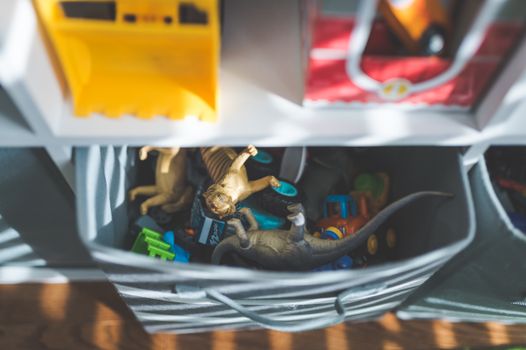
- Store Properly: Use bins or shelves to keep toys organized and prevent damage.
- Adapt for Older Children: As your child grows, introduce new challenges. For a building set, suggest building a specific structure or adding a motor.
Common Mistakes to Avoid
Even well-intentioned parents can fall into traps when buying grow-with-me toys. Here are pitfalls to watch out for:
- Buying for the Future: A toy that's too advanced may frustrate your child now. Ensure it's appropriate for their current stage, with room to grow.
- Overlooking Safety: Always check for age-appropriate safety features, especially for children under 3 who mouth toys.
- Ignoring Your Child's Interests: A toy might be adaptable, but if it doesn't align with your child's preferences, it won't get used.
- Choosing Quantity Over Quality: A few high-quality grow-with-me toys are better than a room full of single-use items.
- Forgetting About Storage: Modular toys can have many pieces. Plan for storage to keep them organized and accessible.
Conclusion: Invest Wisely for Years of Play
Toys that grow with your child are more than just playthings; they're investments in your child's development and your family's budget. By choosing adaptable, durable, and open-ended toys, you provide endless opportunities for learning and fun while reducing waste and clutter. Remember to consider your child's current abilities, interests, and safety when making selections. With the smart picks and tips in this guide, you can build a toy collection that evolves alongside your child, bringing joy and growth for years to come.