 English
 简体中文
简体中文 Русский
 Español
 Deutsch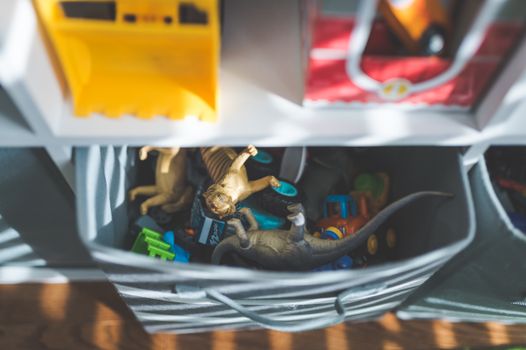
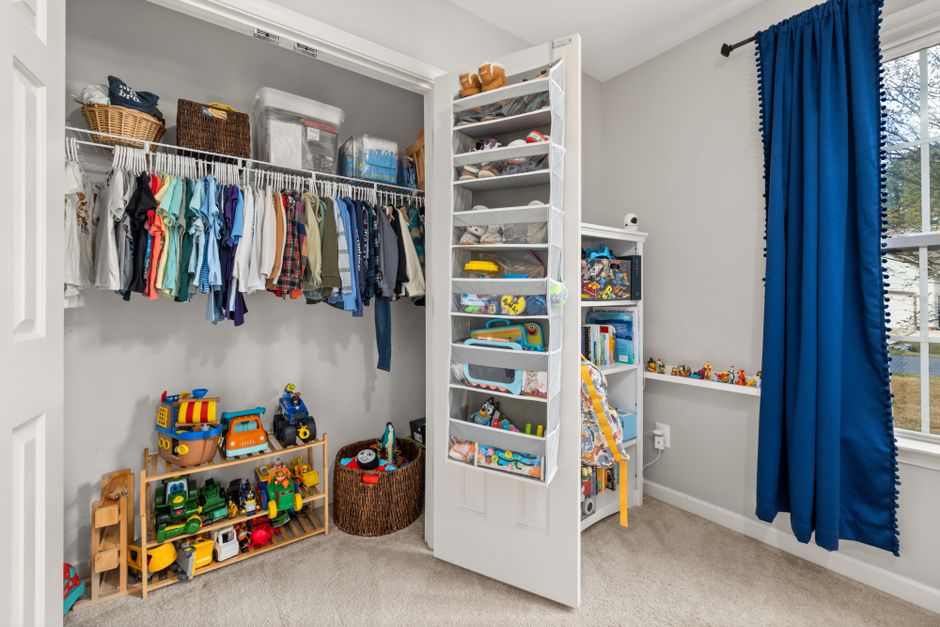
1. Open Bin Organizers: The Accessible Classic
Open bin organizers remain the gold standard for playrooms because they remove every barrier between a child and their toys. There is no lid to lift, no latch to fiddle with, and no drawer to pull out. Kids can see exactly what is inside, grab what they want, and—crucially—toss things back in when playtime is over. This low-friction design is why occupational therapists and Montessori educators consistently recommend open storage for children under eight.
Look for bins made from soft-sided fabric, woven cotton rope, or BPA-free plastic, and choose a unit with a slight tilt so toys stay visible from a standing height. A good rule of thumb is one bin per toy category: blocks, dolls, cars, art supplies, and puzzles. Label each bin with a picture and a word so pre-readers can clean up independently.
Pros: cheapest option, easiest for toddlers, endlessly reconfigurable. Cons: dust collects quickly, and small pieces can look messy if bins are overfilled. Keep only what fits comfortably, and do a five-minute reset each evening.
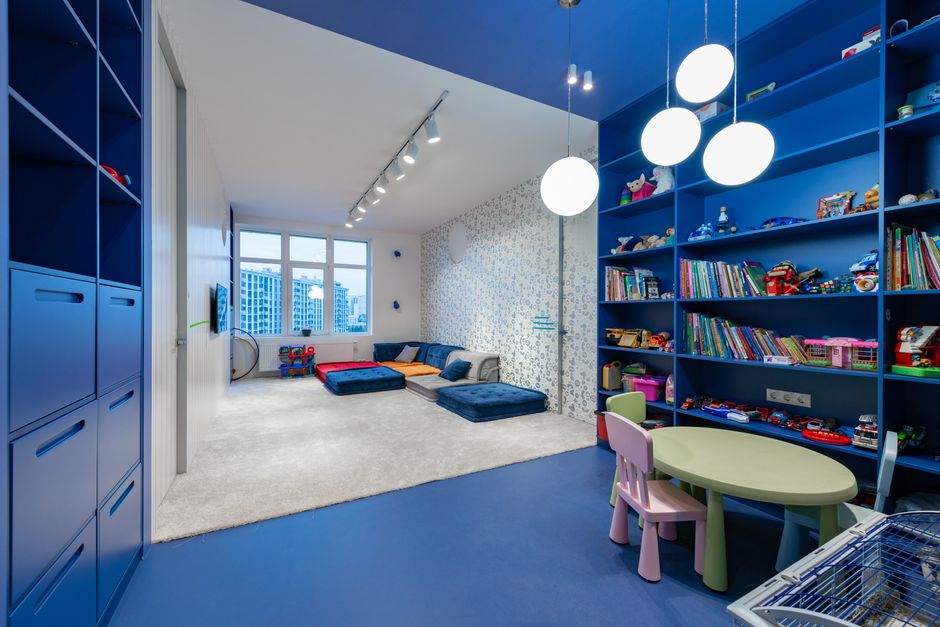
2. Cube Shelving with Fabric Drawers
Cube shelving systems, often sold in six- or nine-cube configurations, are the most popular playroom storage solution for good reason. The grid structure keeps categories visually separated, while fabric drawers hide the chaos of mismatched pieces. Because the units are modular, you can start with one and expand as your toy collection grows.
Choose a unit with a low profile—no taller than 30 inches—so children can reach the top row without climbing. Anchor every shelving unit to the wall with the included anti-tip kit; this is non-negotiable in a room where kids play hard. Mix open cubes for frequently used items with drawer cubes for craft supplies, small figures, and anything with a hundred tiny parts.
For a polished look, buy drawers in two or three coordinating colors and assign a color to each child if you have more than one. A quick wipe with a damp cloth keeps the laminate surfaces clean, and the drawers can be tossed in the washing machine when juice spills happen.
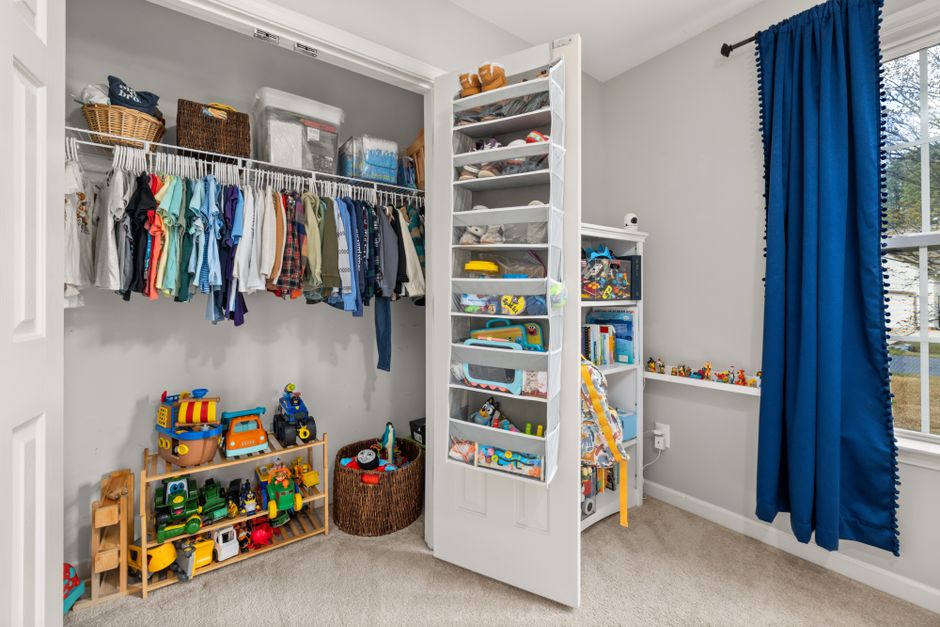
3. Stackable Clear Bins with Lids
When you need to store toys long-term or rotate them seasonally, clear stackable bins with latching lids are unbeatable. The transparency means you never have to open five bins to find the wooden train set, and the stackability lets you use vertical space in a closet or along a wall. Look for bins with recessed lids so they nest securely and won't topple.
This system works best for toys that come in sets: building blocks, magnetic tiles, board games, and dress-up accessories. Use a label maker or painter's tape to mark each bin, and keep a photo taped to the side for younger children. A rolling cart that holds three or four bins makes it easy to pull the whole collection into the center of the room and push it back against the wall.
One caution: lidded bins are not ideal for the toys your child uses every single day, because the lid becomes a barrier. Reserve them for rotation items and special-occasion toys.
4. Wall-Mounted and Over-the-Door Storage
Floor space is precious in a playroom, so look up. Wall-mounted shelves, pegboards, and over-the-door organizers reclaim vertical real estate and keep small items off the floor. A pegboard with hooks can hold dress-up clothes, jump ropes, and baskets of art supplies, while a wall rail with hanging buckets corrals markers, crayons, and scissors.
Over-the-door shoe organizers are a surprisingly effective toy hack. The clear pockets are perfect for action figures, doll clothes, craft sticks, and card games. Mount one on the playroom door or the inside of a closet door, and suddenly you have 24 ready-made compartments that cost less than a single storage bin.
Install wall storage at your child's height—roughly 36 to 48 inches for preschoolers—so they can access and return items without help. Use drywall anchors rated for at least twice the weight you plan to store, and avoid hanging anything heavy above a bed or play couch.
5. Rolling Carts and Mobile Caddies
Rolling carts solve a problem most storage systems ignore: toys migrate. A three-tier metal or plastic cart on casters can travel from the playroom to the kitchen table for craft time and back again in seconds. This mobility encourages kids to keep supplies contained because cleanup is as simple as rolling the cart home.
Choose a cart with locking wheels so it stays put during play, and keep the heaviest items on the bottom tier to prevent tipping. Art carts work beautifully with a cup for brushes, a bin for paper, and a tray for glue and tape. A second cart can serve as a dedicated puzzle or game station.
Mobile caddies are also a lifesaver for shared spaces. If the playroom doubles as a guest room or home office, a rolling cart lets you whisk the toys out of sight in under a minute.
6. Toy Rotation Bins for Long-Term Sanity
The single most effective storage strategy is not a product—it is a system. Toy rotation means keeping only a curated selection of toys accessible while the rest are stored away, then swapping them every two to four weeks. Children play longer and deeper with fewer choices, and the playroom stays manageable.
Set up three categories of storage: active toys on open shelves, rotation toys in labeled lidded bins, and donation or hand-me-down items in a box by the door. When you rotate, bring out one bin and put away one bin. The novelty of "new" toys keeps kids engaged without you spending a dime.
Store rotation bins on a high shelf, in a closet, or under a bed. Keep an inventory list taped inside the closet door so you remember what you own. This system pairs perfectly with any of the physical storage solutions above.
7. Multi-Purpose Furniture with Hidden Storage
Benches, ottomans, and play tables with lift-up lids hide clutter while serving a second purpose. A storage bench along one wall provides seating for reading and a home for bulky items like stuffed animals and dress-up clothes. A play table with a removable top reveals a bin for blocks or sensory materials.
When shopping for multi-purpose furniture, check the hinge mechanism. Soft-close hinges prevent little fingers from getting pinched, and removable lids are easier to clean than hinged ones. Measure your space first—these pieces are larger than they look online—and confirm the interior dimensions fit your largest toy.
Furniture with hidden storage is ideal for small playrooms or living rooms that double as play areas. It keeps the room looking like a grown-up space while still being fully functional for kids.
Quick Comparison: Which Storage Fits Your Playroom?
| Solution | Best For | Kid-Friendly | Cost |
|---|---|---|---|
| Open bin organizers | Toddlers, daily toys | Excellent | Low |
| Cube shelving + drawers | Mixed toy collections | Very good | Medium |
| Clear stackable bins | Rotation and sets | Good | Low |
| Wall and door storage | Small items, tight rooms | Good | Low |
| Rolling carts | Crafts, shared spaces | Excellent | Medium |
| Toy rotation bins | Any playroom | Indirect | Low |
| Storage furniture | Dual-use rooms | Good | High |
Whichever combination you choose, remember that the best toy storage solution is the one your child can actually use. Involve kids in labeling and choosing categories, keep bins at their height, and build a two-minute cleanup routine into the end of every play session. A tidy playroom is not about perfection—it is about making play easier to start and easier to finish.