 English
 简体中文
简体中文 Русский
 Español
 Deutsch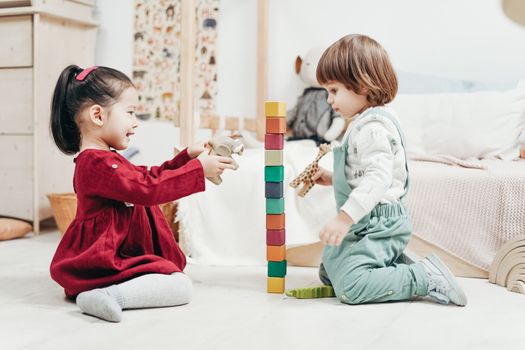
Why the First Three Years Matter for Speech
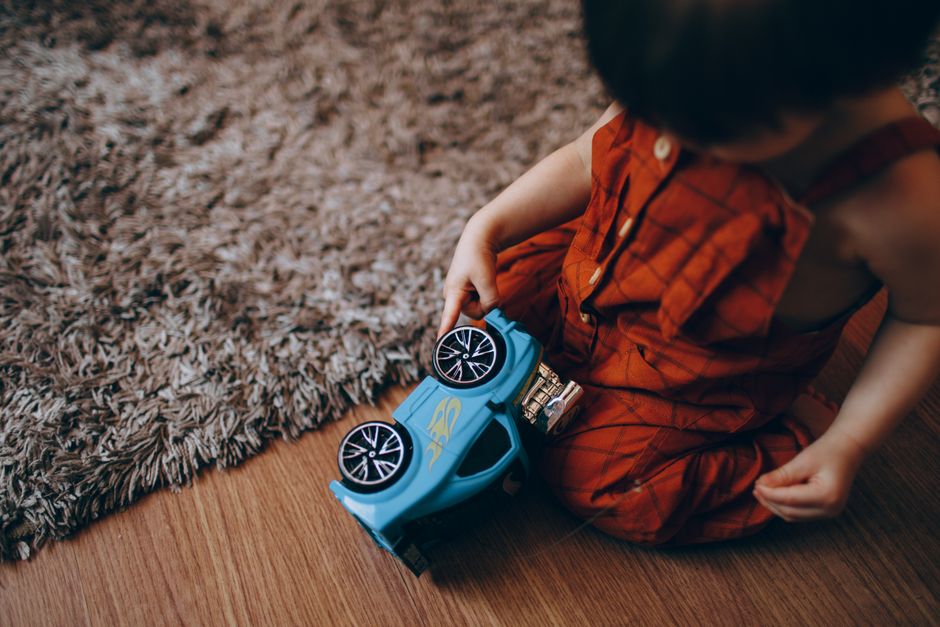
Between birth and age three, a toddler's brain forms more than one million neural connections every second. Language is one of the most complex skills that brain is building, and it depends on far more than simply hearing words. Toddlers learn to speak through a loop of listening, imitating, experimenting, and being rewarded with a response. Toys that invite interaction — rather than toys that perform all the talking — are the ones that genuinely move speech forward.
Speech-language pathologists often describe this as the "serve and return" model. A child "serves" a sound, a gesture, or a word, and an adult "returns" it with attention and language. The best speech-development toys make that exchange easy, frequent, and fun.
What Makes a Toy Good for Speech Development?
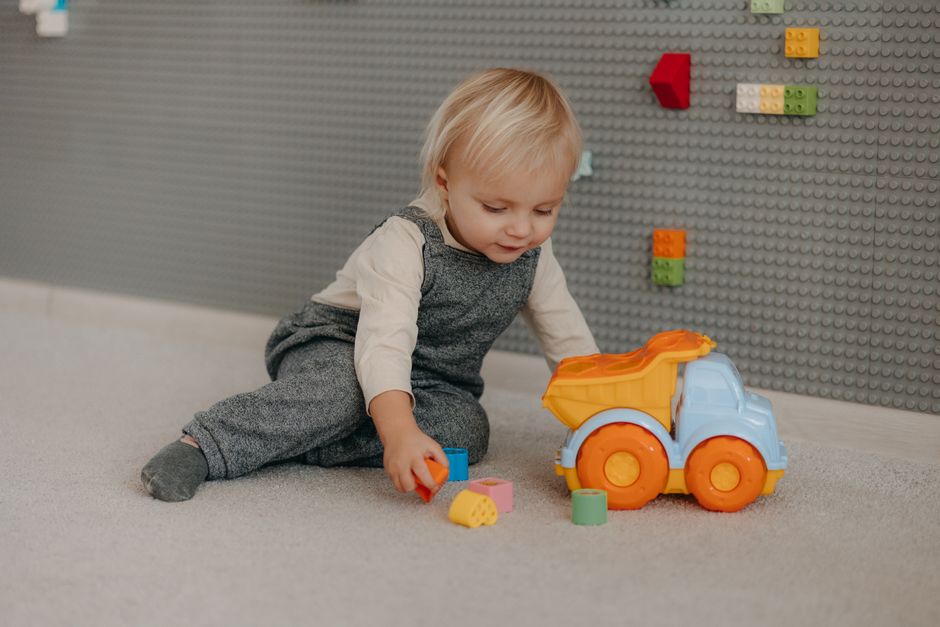
Before buying anything, it helps to know which features actually support language growth. A toy does not need to be marketed as "educational" to be effective.
- It encourages back-and-forth interaction. Toys that require a parent or peer to participate create natural conversation opportunities.
- It has a clear, repeatable vocabulary. Simple, consistent words like "in," "open," "more," and "go" are easier for toddlers to imitate than long sentences.
- It offers open-ended play. A toy with one button and one outcome limits language. A toy with many possibilities invites narration.
- It is not too loud or overstimulating. Constant electronic noise competes with the human voice, which is what toddlers most need to hear.
- It matches the child's current level. A toy that is too advanced causes frustration; one that is too simple causes boredom. Both reduce talking.
Best Toy Categories for Building Speech
1. Board Books and Interactive Books
Books remain the single most powerful language tool available. Repetitive board books with rhyming text help toddlers predict what comes next, which builds the confidence to try saying the words themselves. Lift-the-flap and touch-and-feel books add a motor element that keeps attention longer. Point to pictures and pause — that silence is your child's invitation to vocalize.
2. Farm and Animal Sets
Animal sounds are often a toddler's first successful verbal attempts because they are fun, easy to produce, and instantly rewarded with a laugh. A simple set of plastic animals lets you model "moo," "baa," and "quack," then wait for your child to copy. As skills grow, you can expand to animal names, colors, and actions like "the cow is eating."
3. Cause-and-Effect Toys
Pop-up toys, busy boards, and simple switches teach a child that their action produces a result. That cause-and-effect understanding is the foundation of communication: I do something, and something happens. Pair each action with a short phrase — "push," "pop," "open" — to attach language to the experience.
4. Pretend Play Kits
Play food, doctor kits, and tool sets are language goldmines. Pretend play requires a child to assign roles, describe actions, and negotiate with a play partner. A toddler feeding a stuffed bear says "eat" or "yum." A child pretending to be a doctor says "boo-boo" or "all better." These are real, functional words used in context.
5. Building Blocks and Stacking Toys
Blocks create endless opportunities for positional words: "on," "under," "next to," "up," and "down." They also invite turn-taking, which is the conversational rhythm children need. Knock a tower down together and say "uh-oh" — a phrase toddlers love and use constantly.
6. Simple Musical Instruments
Drums, shakers, and xylophones support rhythm and sound awareness, both of which are linked to phonological development. Songs with gestures, such as "The Wheels on the Bus," combine movement, melody, and repetition — a triple boost for speech.
Quick Comparison: Toy Types and Speech Benefits
| Toy Type | Primary Speech Benefit | Best Age Range |
|---|---|---|
| Board books | Vocabulary, joint attention | 6 months – 3 years |
| Animal sets | Sound imitation, labeling | 12 months – 3 years |
| Cause-and-effect toys | Turn-taking, action words | 9 months – 2 years |
| Pretend play kits | Functional language, sentences | 18 months – 4 years |
| Blocks | Positional words, requesting | 12 months – 3 years |
| Musical instruments | Rhythm, sound awareness | 6 months – 3 years |
How to Use Toys to Maximize Talking
The toy matters, but how you play with it matters more. Try these practical strategies during everyday play.
- Get face to face. Sit at your child's eye level so they can see your mouth, tongue, and expressions.
- Use short phrases. Instead of "Would you like to put the red block on top of the tower?" say "Red block. On top!"
- Pause and wait. After you speak, count silently to five. Give your child a real chance to respond.
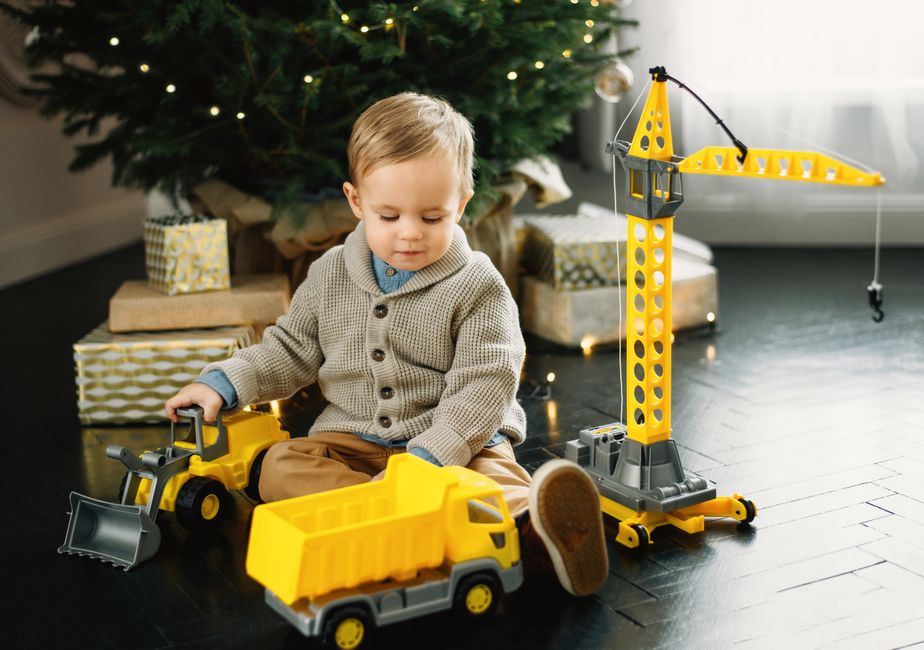
- Expand what they say. If your child says "truck," reply "Big truck! The truck is going."
- Narrate your actions. Talk through what you are doing: "I'm opening the box. Look inside!"
- Follow their lead. If they are fascinated by the barn door, talk about the barn door — not the blocks you had planned.
- Limit background noise. Turn off the TV and put away noisy electronic toys during play sessions.
Toys to Approach With Caution
Some toys can actually slow speech practice. Be cautious with toys that talk for the child, ask questions and answer them automatically, or produce long scripted sentences. A toy that says "Press the red button to hear the alphabet song" leaves little room for the child to contribute. Electronic toys are not inherently bad, but they should be a small part of the toy collection, not the center of it.
When to Seek Professional Advice
Toys support speech, but they do not replace evaluation when there is a genuine concern. Consider talking to a pediatrician or speech-language pathologist if, by 18 months, your child uses fewer than ten words; by 24 months, uses fewer than fifty words or does not combine two words; or if your child loses language skills they previously had. Early intervention is highly effective, and there is no benefit to waiting.
Building a Speech-Friendly Toy Rotation
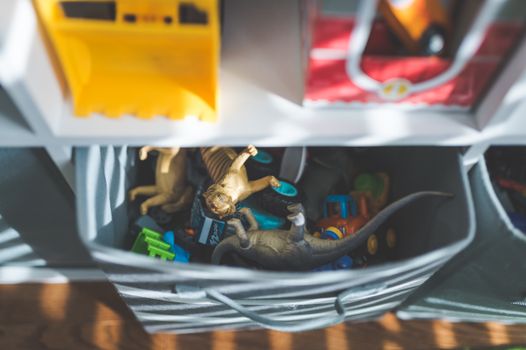
You do not need a large toy collection. In fact, fewer toys on display often means deeper play and more talking. Try keeping six to eight toys accessible and rotating them every week or two. Each time a toy returns, it feels new again — and newness sparks questions, labels, and conversation.
Choose a mix: one book, one pretend-play set, one building toy, one cause-and-effect toy, one musical item, and one animal or vehicle set. That simple rotation covers imitation, vocabulary, turn-taking, and sentence building without overwhelming your child or your living room.
The Bottom Line
The most powerful speech toy is a responsive adult playing alongside a curious toddler. Simple, open-ended toys — books, blocks, animals, pretend kits, and instruments — give you the props you need to model sounds, wait for responses, and celebrate every attempt. Talk less, pause more, and let your child's voice fill the space.