 English
 简体中文
简体中文 Русский
 Español
 Deutsch
Why Toy Safety Matters More Than You Think
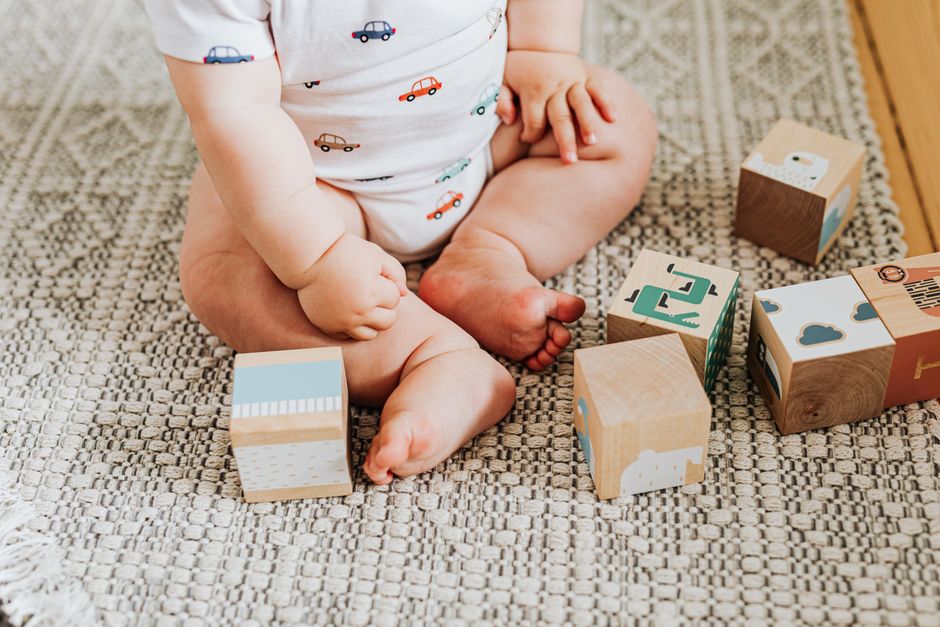
Every year, thousands of young children are treated in emergency rooms for injuries related to toys. According to the U.S. Consumer Product Safety Commission (CPSC), choking is the leading cause of toy-related deaths, and children under three are the most vulnerable group. Babies explore the world through their mouths, hands, and eyes, which means a toy that seems harmless to an adult can become a serious hazard in seconds.
Choosing safe toys is not just about avoiding recalls. It is about understanding your baby's developmental stage, reading labels correctly, and knowing which materials and designs stand up to real-world use. This guide walks you through everything a parent needs to know, from age-appropriate selection to simple home safety checks.
Start With Your Baby's Developmental Stage
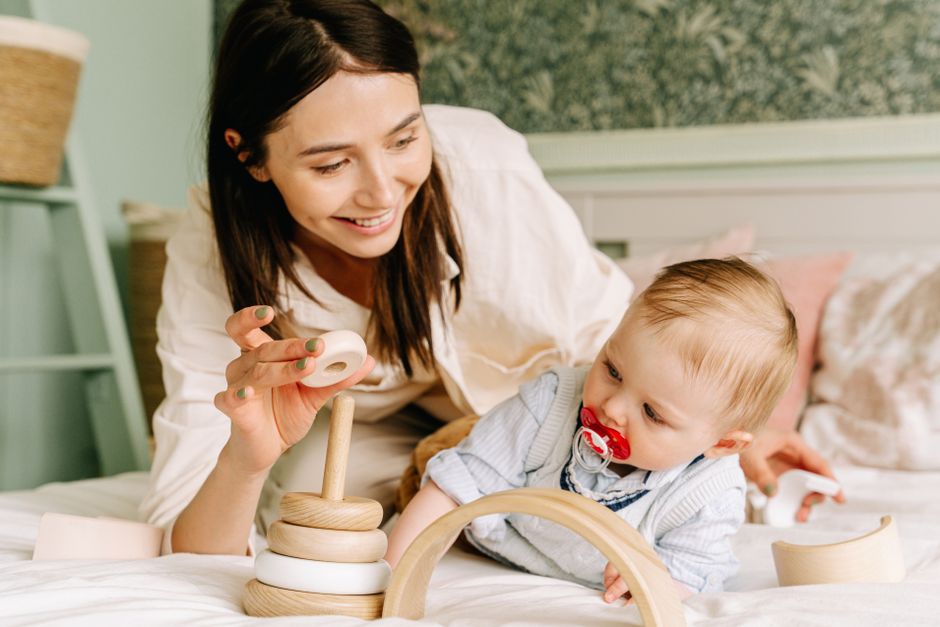
A toy that is safe for a 12-month-old may be dangerous for a 4-month-old. The key is matching the toy to your baby's current abilities, not the age you hope they will reach soon.
0–6 Months: Sensory Exploration
At this stage, babies have limited mobility but strong grasping and mouthing reflexes. Safe options include:
- High-contrast black-and-white or soft pastel cloth books
- Rattles and soft rings that are too large to swallow
- Unbreakable mirrors with rounded edges
- Soft fabric balls with no small parts or loose stitching
Avoid anything with strings longer than 7 inches, as these pose a strangulation risk in cribs and playpens.
6–12 Months: Sitting, Crawling, and Teething
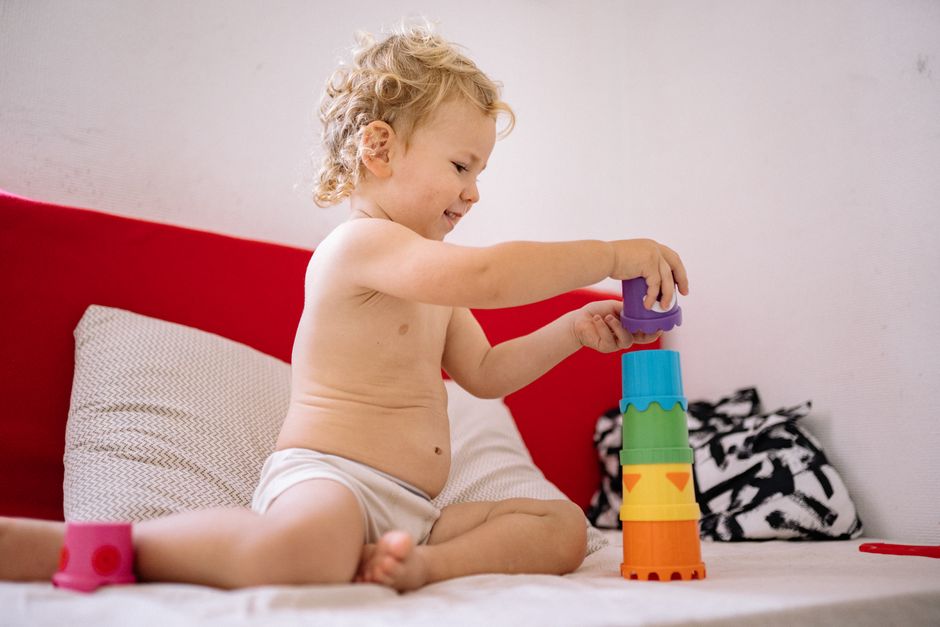
Babies in this range put everything in their mouths. Look for toys labeled "teether" or "mouth-safe" and made from food-grade silicone or untreated hardwood. Stacking cups, large building blocks, and board books with thick pages are excellent choices. Check that painted surfaces are lead-free and that no part can detach with a gentle pull.
12–24 Months: Walking and Problem-Solving
Toddlers begin to push, pull, and sort. Push-and-pull toys, shape sorters, and large interlocking blocks are ideal. This is also when small parts become a major concern, so keep a choke-test tube handy.
The Choke Hazard Test Every Parent Should Know
The CPSC uses a small parts cylinder roughly the size of a toilet paper roll (1.75 inches in diameter). If a toy or any detachable piece fits entirely inside this cylinder, it is a choking hazard for children under three.
You can perform a simple version at home:
- Use an empty toilet paper roll as your reference.
- Drop the toy or component into the roll.
- If it passes through completely with room to spare, keep it away from babies and toddlers.
Also watch for buttons, beads, magnets, and batteries. Button batteries are especially dangerous: if swallowed, they can cause severe chemical burns in as little as two hours. Secure battery compartments with a screw and check them regularly.
Materials: What Is Actually Safe?
Not all plastics, paints, and fabrics are created equal. Here is a quick reference for common toy materials.
| Material | Safety Notes | Best For |
|---|---|---|
| BPA-free plastic | Avoid PVC and phthalates; look for "BPA-free" and "phthalate-free" labels | Rattles, stacking toys |
| Food-grade silicone | Non-toxic, soft, and chewable; check for FDA or LFGB approval | Teethers, sensory toys |
| Untreated hardwood | Maple and beech are ideal; avoid splinters and toxic finishes | Blocks, grasping toys |
| Organic cotton | Free from harmful dyes and pesticides; check stitching | Plush toys, cloth books |
| Natural rubber | Look for FSC-certified or plant-based rubber | Teethers, bath toys |
When in doubt, choose toys with water-based, lead-free paints and avoid vintage or handmade items that lack safety certification.
Read the Label Like a Pro
Toy packaging contains critical information, but it is often buried in fine print. Here is what to look for:
- Age grading: "0+", "6M+", or "3+" indicates the minimum age for safe use. Never ignore this.
- Safety standards: In the U.S., look for ASTM F963. In Europe, look for the CE mark and EN 71. In the UK, look for the UKCA mark.
- Warning labels: "Choking hazard — small parts" is a red flag for babies.
- Manufacturer information: A legitimate brand includes a contact address and batch number.
If a toy has no age label and no manufacturer information, treat it as unsafe for a baby.
Design Features That Reduce Risk
Safe toys share several physical characteristics. Before buying, inspect for:
- Rounded edges with no sharp points or rough seams
- No loose strings, ribbons, or cords longer than 7 inches
- Secure stitching on plush toys, with no accessible stuffing
- Non-toxic, washable surfaces that can be cleaned easily
- No small removable parts such as eyes, noses, or wheels
For battery-operated toys, ensure the compartment is screwed shut and that the toy does not overheat during use.
Common Mistakes Parents Make
Even careful parents can overlook simple risks. Watch out for these frequent errors:
- Buying toys for older siblings and leaving them within a baby's reach
- Assuming "natural" or "organic" means safe for unsupervised play
- Ignoring wear and tear, such as cracked plastic or frayed fabric
- Using toys as crib decorations, which can create suffocation or strangulation hazards
- Forgetting to check for product recalls after purchase
Set a monthly reminder to inspect your baby's toy bin and remove anything damaged or recalled.
How to Clean and Maintain Toys Safely
Hygiene is part of safety. Babies put toys in their mouths constantly, so cleaning should be routine.
- Wash plastic and silicone toys with warm soapy water, then rinse thoroughly.
- Machine-wash fabric toys on a gentle cycle and air-dry completely to prevent mold.
- Wipe wooden toys with a damp cloth and a mild vinegar solution; avoid soaking them.
- Disinfect bath toys by squeezing out water and letting them dry fully after each use.
Replace any toy that shows cracks, peeling paint, or rust, as these can harbor bacteria and create sharp edges.
Building a Safe Toy Collection Without Overspending
You do not need a room full of toys to support your baby's development. Focus on quality over quantity and rotate a small selection every week. A few well-chosen items — a set of stacking cups, a soft book, a silicone teether, and a large ball — can cover sensory, motor, and cognitive needs.
When shopping, prioritize toys that are open-ended and grow with your child. A simple wooden block set can last from 6 months to 4 years, making it both a safer and more economical choice.
Final Checklist Before You Buy
Use this quick checklist every time you consider a new toy:
- Does the age grading match my baby's stage?
- Does it pass the toilet paper roll choke test?
- Are the materials non-toxic and clearly labeled?
- Are there any strings, cords, or small parts?
- Is the toy easy to clean and durable?
- Has it been recalled? Check the CPSC website.
Choosing safe toys takes a few extra minutes, but it protects your baby from preventable harm and gives you peace of mind. When you combine developmental awareness with careful label reading and regular inspections, you create a play environment where curiosity can flourish safely.