 English
 简体中文
简体中文 Русский
 Español
 Deutsch
Wooden Toys vs Plastic Toys: Which Should You Buy?
Every parent faces the same dilemma when shopping for children's toys: should you choose classic wooden toys or modern plastic toys? Both options dominate toy store shelves, and each comes with passionate advocates. This comprehensive comparison will help you make an informed decision based on durability, safety, development benefits, cost, and environmental impact.

Why This Choice Matters
Toys are more than entertainment. They shape how children learn, play, and explore the world. The materials you choose can affect your child's development, your wallet, and the planet. Understanding the strengths and weaknesses of wooden and plastic toys ensures you invest in products that truly fit your family's needs.
Quick Comparison Table
| Feature | Wooden Toys | Plastic Toys |
|---|---|---|
| Durability | Excellent – lasts for generations | Moderate – can crack or fade |
| Safety | Non-toxic finishes, no small batteries | Varies; check for BPA and phthalates |
| Development Benefits | Encourages imaginative, open-ended play | Often includes lights, sounds, and interactivity |
| Price | Higher upfront cost | Lower upfront cost |
| Environmental Impact | Biodegradable, sustainable sourcing | Petroleum-based, slow to decompose |
| Cleaning | Wipe with damp cloth; avoid soaking | Easy to wash and sanitize |
| Weight | Heavier, sturdier feel | Lightweight and portable |
Durability: Built to Last
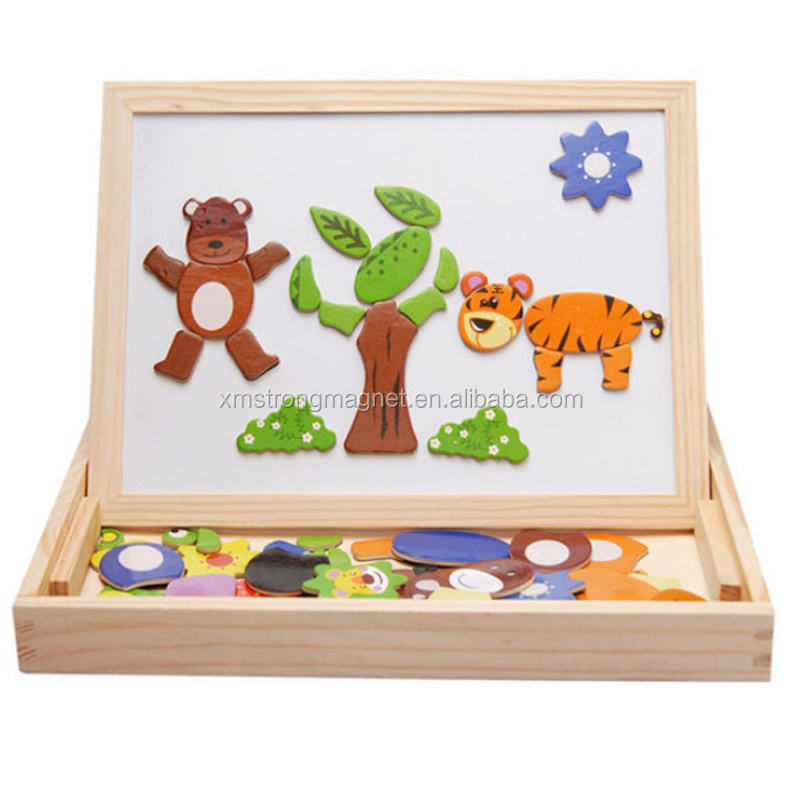
Wooden toys are famous for their longevity. A well-made wooden train set or stacking ring can survive multiple children and even get passed down to grandchildren. High-quality hardwood resists dents and holds paint well when finished properly.
Plastic toys, by contrast, can become brittle over time. Sun exposure causes fading and cracking, and thin plastic parts snap under stress. However, premium plastic toys from reputable brands can also last years with proper care.
Safety Considerations
Safety is non-negotiable for parents. Wooden toys typically use water-based, non-toxic paints and finishes. They contain no batteries, which eliminates choking hazards from button cells. Still, always check for splinters and loose parts.
Plastic toys may contain BPA, phthalates, or lead in cheaper imports. Look for labels like "BPA-free" and "phthalate-free," and verify compliance with safety standards such as ASTM F963 or EN71. Small plastic pieces can also break off and become choking hazards for toddlers.
Developmental Benefits
Wooden Toys: Open-Ended Play
- Encourage creativity and problem-solving
- Support fine motor skill development through stacking and threading
- Promote calm, focused play without overstimulation
- Grow with the child – a simple block becomes a car, a house, or a castle
Plastic Toys: Interactive Learning
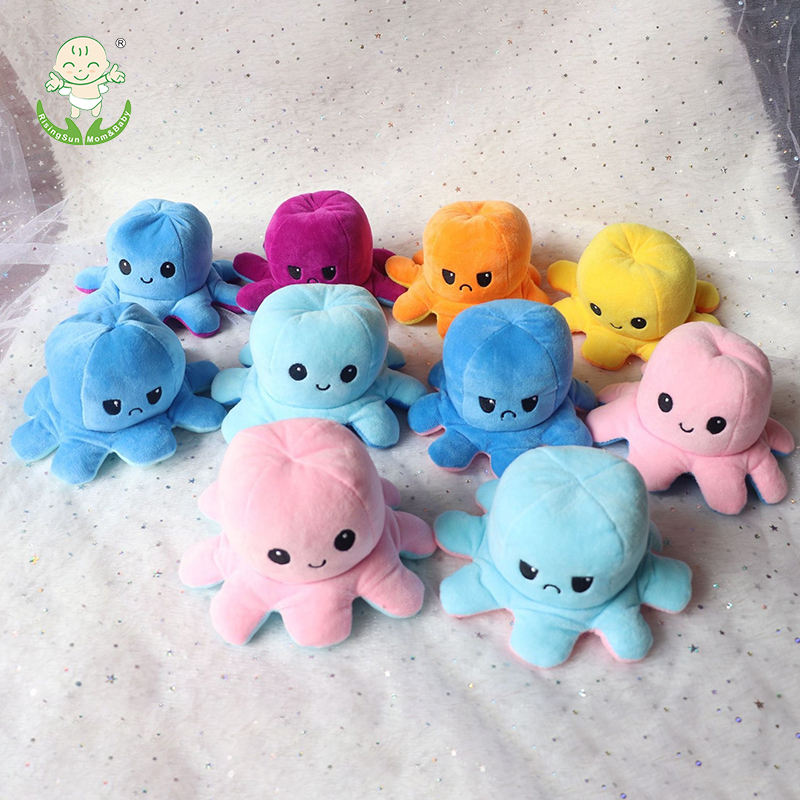
- Offer sounds, lights, and movement that engage multiple senses
- Teach cause and effect through buttons and switches
- Often include educational themes like letters, numbers, and animals
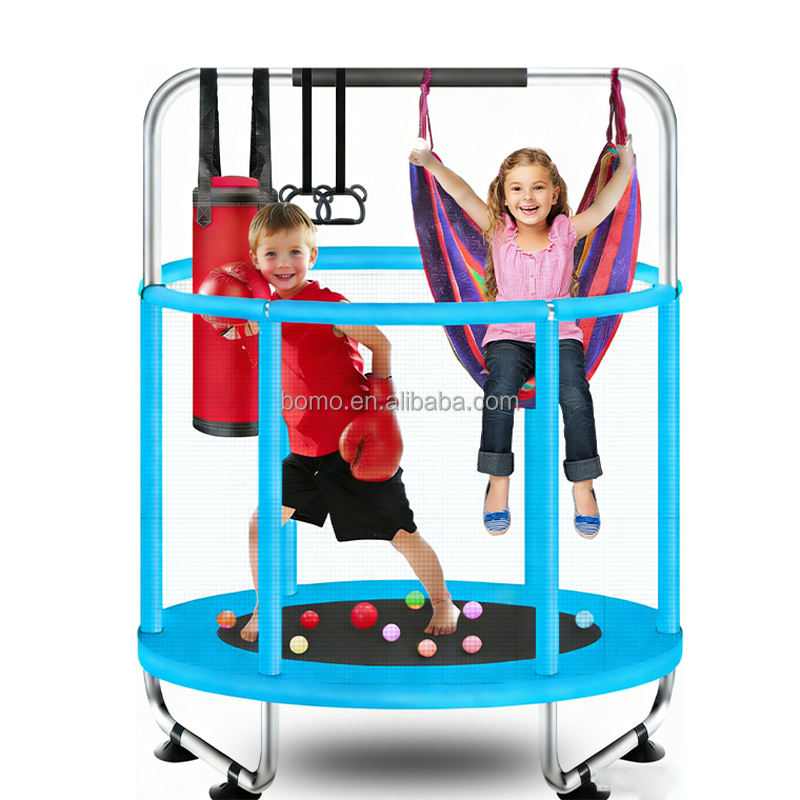
- Lightweight design suits travel and outdoor play
Cost Analysis
Wooden toys usually cost more per item, but their durability often makes them cheaper over time. A $40 wooden shape sorter may outlast three $15 plastic versions. Plastic toys win on initial affordability, making them attractive for tight budgets or short-term needs.
Environmental Impact
Wooden toys from responsibly managed forests are renewable and biodegradable. Choosing FSC-certified brands supports sustainable forestry. Plastic toys rely on fossil fuels and can take centuries to decompose, contributing to landfill waste. If sustainability matters to you, wood is the greener choice.
Cleaning and Maintenance
Plastic toys are easier to clean – most are dishwasher-safe or can be wiped with disinfectant. Wooden toys require gentler care: wipe with a damp cloth and mild soap, then dry immediately. Avoid soaking wooden toys, as moisture can warp or crack the wood.
Which Should You Buy?
The best choice depends on your priorities:
- Choose wooden toys if you value durability, sustainability, open-ended play, and timeless design. They suit families who plan to keep toys for years or pass them down.
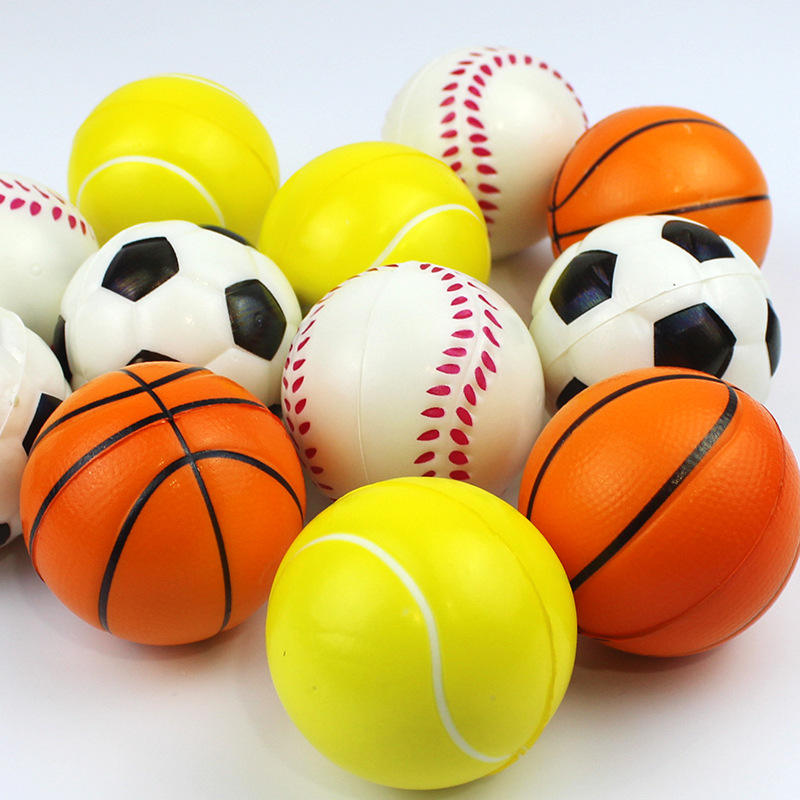
- Choose plastic toys if you need affordable, lightweight, easily sanitized options with interactive features. They work well for travel, daycare, and short-term use.
Our recommendation: Build a balanced toy collection. Invest in high-quality wooden toys for core play items like blocks, puzzles, and pretend-play sets, and use plastic toys for specific needs such as bath toys, outdoor gear, and electronic learning devices. This hybrid approach gives your child the best of both worlds while respecting your budget and values.
Final Thoughts
Wooden toys and plastic toys each have distinct advantages. By understanding the trade-offs in durability, safety, development, cost, and eco-friendliness, you can make confident purchasing decisions. Whichever you choose, prioritize safety certifications, age-appropriate design, and toys that spark your child's imagination.