 English
 简体中文
简体中文 Русский
 Español
 Deutsch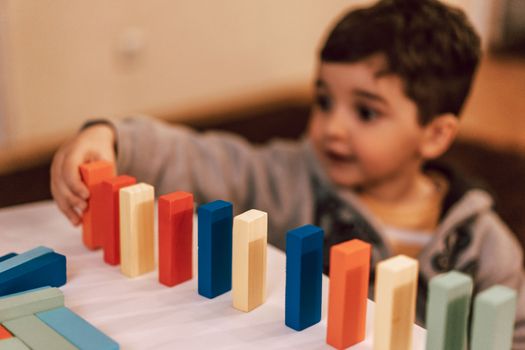
Why Fine Motor Skills Matter in Early Childhood
Fine motor skills are the small, precise movements of the hands, fingers, and wrists that allow children to grasp, pinch, stack, thread, and manipulate objects. These skills form the foundation for nearly everything a child will do later in life — from buttoning a shirt and brushing teeth to holding a pencil and typing on a keyboard. While gross motor skills involve large muscle groups used for running and jumping, fine motor development is about control, coordination, and dexterity.
The preschool years, roughly ages 2 to 6, are a critical window for developing these abilities. During this period, the brain is building neural pathways at an astonishing rate, and hands-on play is one of the most effective ways to strengthen them. The right toys don't just keep children entertained — they actively train the muscles and coordination that support handwriting, self-care, and problem-solving later on.
In this guide, we'll explore the best types of toys for improving fine motor skills, how to match toys to your child's developmental stage, and practical tips for turning playtime into powerful learning time.
Understanding the Stages of Fine Motor Development
Before choosing toys, it helps to know what your child is working toward. Fine motor development follows a predictable sequence, though every child progresses at their own pace.
Ages 1–2: The Grasping Stage
Toddlers are learning to pick up small objects using a whole-hand grasp, then gradually refining it into a pincer grasp (thumb and index finger). They love dumping, filling, and exploring textures. Toys at this stage should be large enough to be safe but small enough to require real effort to pick up.
Ages 2–3: The Manipulation Stage
Children begin to twist, turn, stack, and push. They can hold a crayon in a fist and make scribbles. Toys that require turning knobs, fitting shapes into holes, or stacking blocks are ideal.
Ages 3–5: The Precision Stage
This is when children develop a tripod grasp (thumb, index, and middle finger), which is essential for writing. They can cut with safety scissors, thread beads, and complete simple puzzles. Toys that demand precision and control are most beneficial here.
Ages 5–7: The Refinement Stage
Children refine their control for handwriting, drawing detailed pictures, and building complex structures. Toys that involve small parts, tools, and multi-step construction are perfect.
Top Categories of Toys That Build Fine Motor Skills
1. Building and Stacking Toys
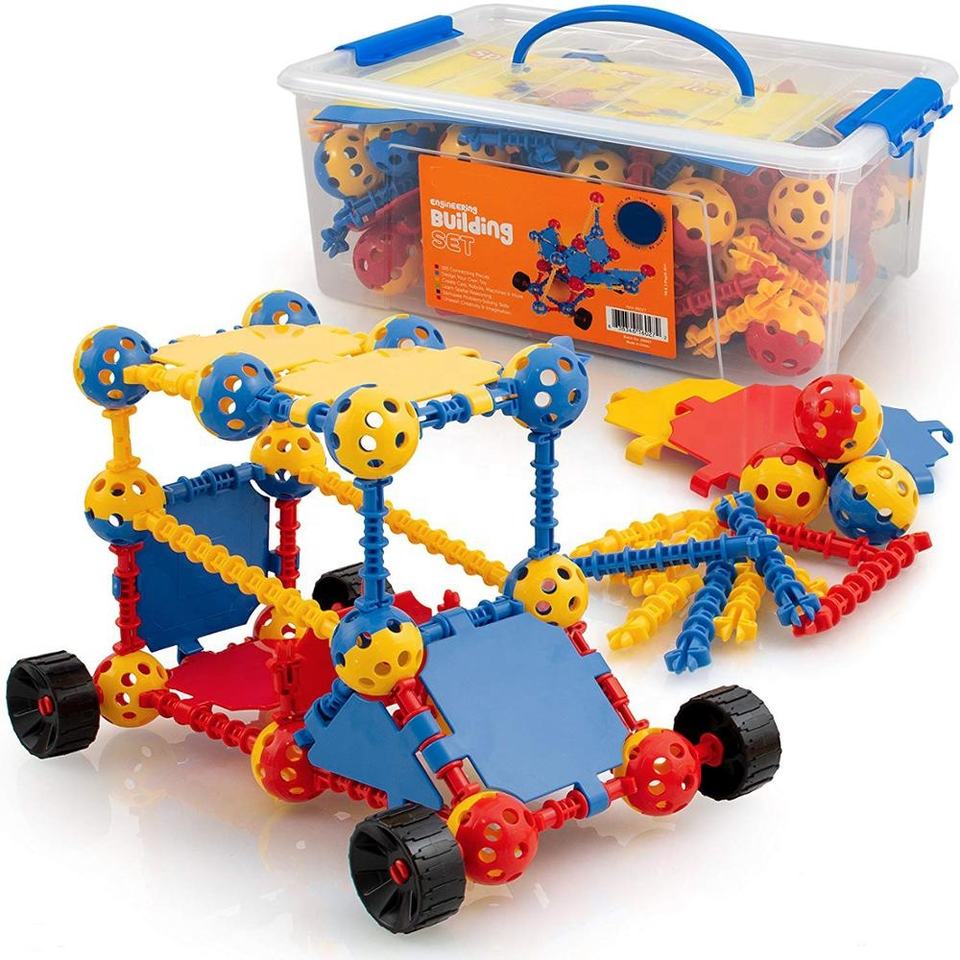
Blocks, bristle blocks, and interlocking bricks are classic fine motor tools. Stacking a tower requires a child to align objects precisely, control their release, and adjust for balance. As children graduate from large wooden blocks to smaller interlocking pieces, the demand for finger strength and dexterity increases.
- Best for: Ages 1–6
- Skills developed: Grasping, releasing, hand-eye coordination, spatial awareness
- Examples: Wooden blocks, LEGO Duplo, magnetic tiles, bristle blocks
2. Threading and Lacing Toys
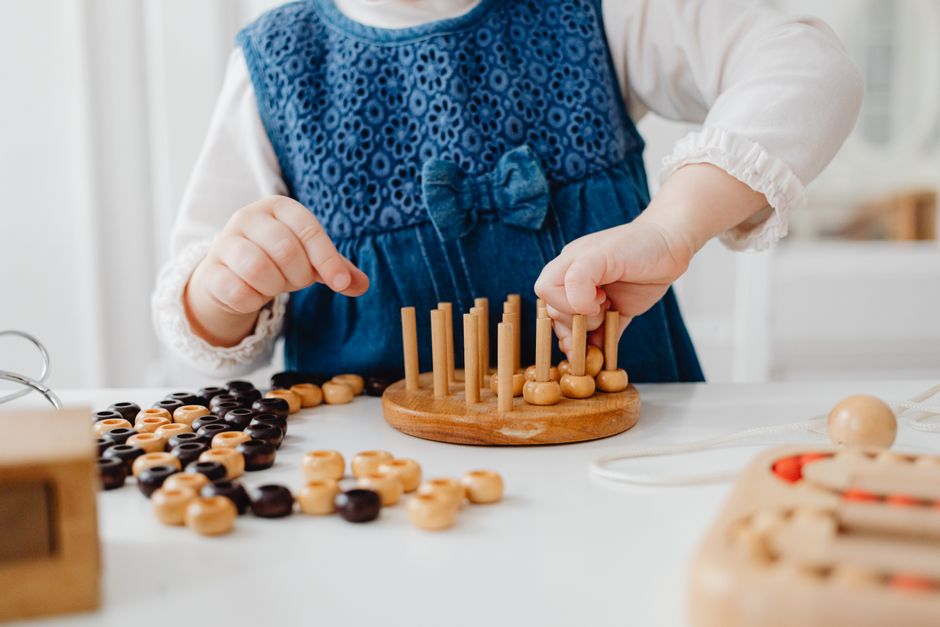
Threading beads onto a string or lacing cards requires a child to coordinate both hands while using a pincer grasp. This is one of the most direct ways to prepare a child for handwriting, as it strengthens the same muscles used to hold a pencil.
- Best for: Ages 2–5
- Skills developed: Pincer grasp, bilateral coordination, focus
- Examples: Lacing cards, wooden bead sets, pasta threading, sewing cards
3. Puzzles and Shape Sorters
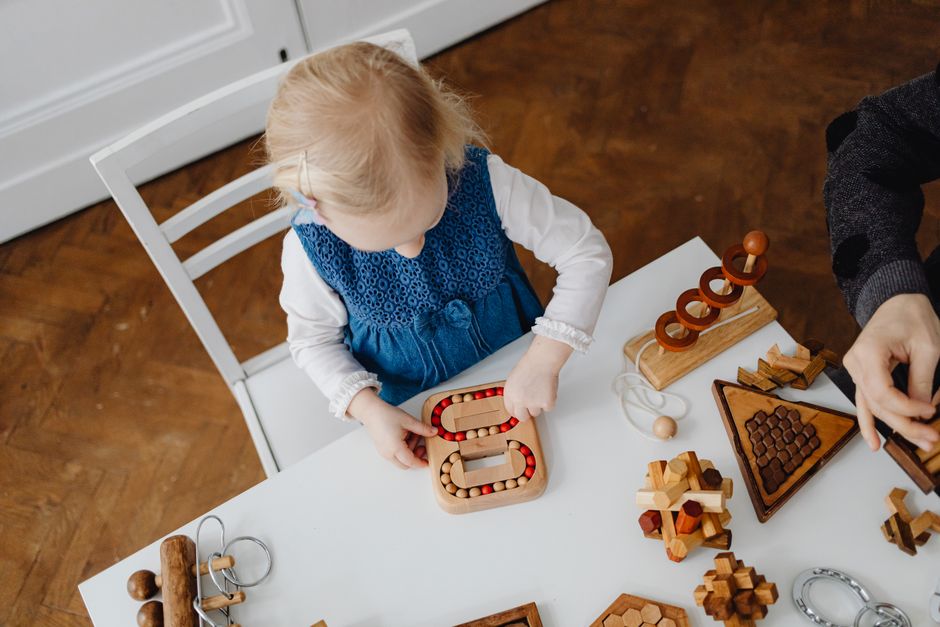
Puzzles teach children to rotate objects in their minds and in their hands. Simple knob puzzles for toddlers build the pincer grasp, while jigsaw puzzles for older children develop precision and patience.
- Best for: Ages 1–6
- Skills developed: Grasping, wrist rotation, problem-solving
- Examples: Chunky knob puzzles, shape sorters, floor puzzles, 24-piece jigsaws
4. Play Dough and Sensory Materials
Squeezing, rolling, pinching, and cutting play dough is a full workout for little hands. Add tools like plastic scissors, rollers, and cookie cutters to increase the challenge. Sensory bins filled with rice, beans, or sand also encourage scooping and pouring.
- Best for: Ages 2–6
- Skills developed: Hand strength, finger isolation, tactile exploration
- Examples: Play dough sets, kinetic sand, sensory bins, clay tools
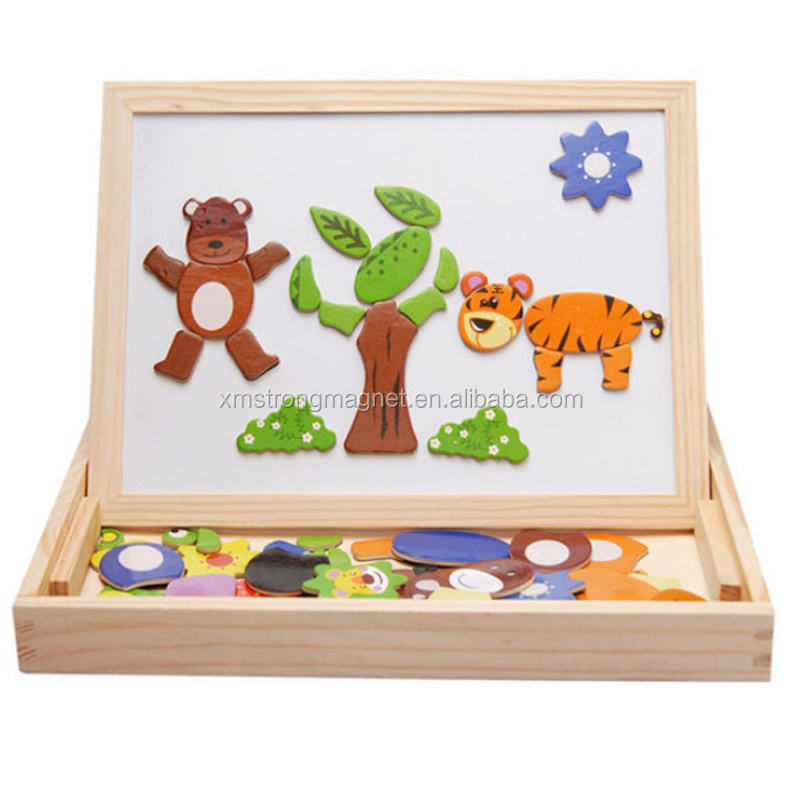
5. Art and Drawing Supplies
Crayons, chalk, paintbrushes, and safety scissors are staples of fine motor development. As children move from fist grips to tripod grasps, their drawings become more controlled and detailed. Cutting with scissors is particularly valuable because it requires the two hands to work independently.
- Best for: Ages 2–7
- Skills developed: Tripod grasp, hand strength, bilateral coordination
- Examples: Chunky crayons, watercolor brushes, safety scissors, sticker books
6. Manipulative and Construction Toys
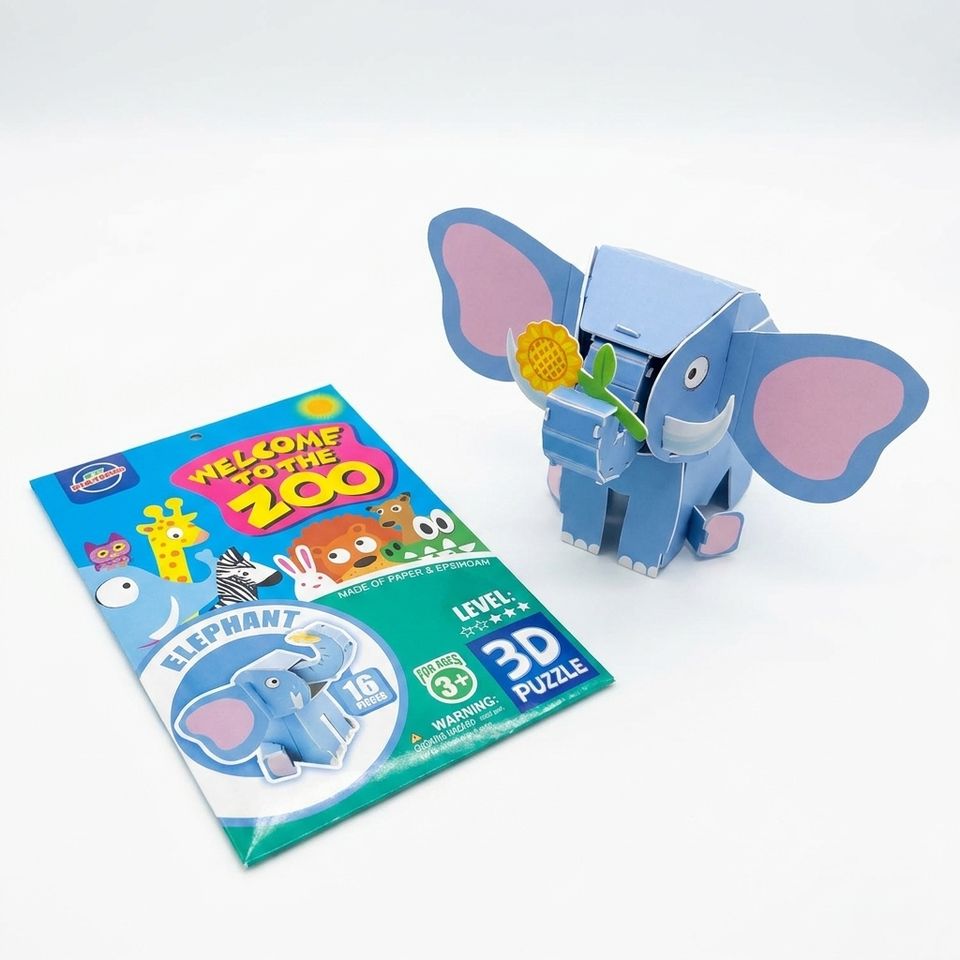
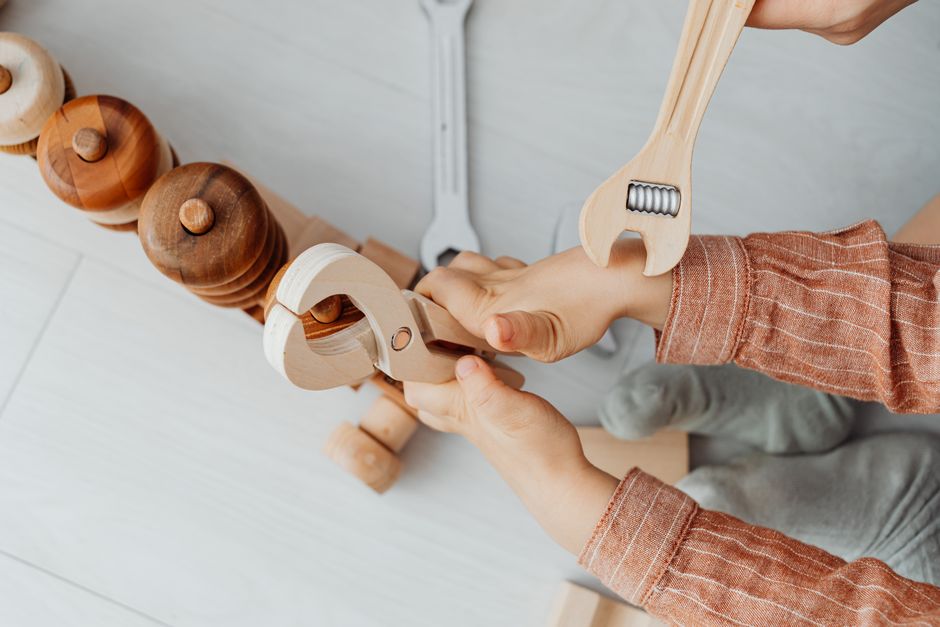
Toys with screws, nuts, bolts, and connectors demand twisting and turning motions that build wrist strength and finger control. These are excellent for children who are ready for a challenge.
- Best for: Ages 3–7
- Skills developed: Wrist rotation, finger strength, tool use
- Examples: Building sets with tools, take-apart toys, gear sets
7. Musical Toys
Pianos, drums, and stringed instruments require precise finger movements. Even simple toys with buttons and switches help children practice finger isolation and control.
- Best for: Ages 1–6
- Skills developed: Finger isolation, rhythm, hand-eye coordination
- Examples: Toy pianos, xylophones, finger drums, lacing tambourines
How to Choose the Right Toy for Your Child
Not all fine motor toys are created equal, and the best choice depends on your child's current abilities and interests. Here are practical guidelines:
| Age | Recommended Toy Type | Key Skill Focus |
|---|---|---|
| 1–2 years | Large knob puzzles, stacking cups, sensory bins | Whole-hand grasp, pincer grasp |
| 2–3 years | Lacing cards, shape sorters, play dough | Bilateral coordination, hand strength |
| 3–5 years | Bead threading, safety scissors, puzzles | Tripod grasp, precision |
| 5–7 years | Construction sets, art supplies, complex puzzles | Refinement, tool use, endurance |
Always follow the manufacturer's age recommendations, and supervise play with small parts. Safety should never be sacrificed for skill-building.
Practical Tips for Maximizing Fine Motor Play
- Make it playful: Children learn best when they're having fun. Turn threading into a necklace-making activity or stacking into a race.
- Offer variety: Rotate toys every week or two to keep interest high and challenge different muscle groups.
- Encourage independence: Let your child struggle a little before helping. That struggle is where learning happens.
- Use everyday items: Clothespins, tongs, sponges, and coins are excellent fine motor tools that cost nothing.
- Model the motion: Show your child how to pinch, twist, or thread, then let them try.
- Celebrate effort: Praise persistence, not just success. This builds confidence and resilience.
Red Flags and When to Seek Help
While every child develops at their own pace, some signs may indicate a need for extra support. Consult a pediatrician or occupational therapist if your child:
- Still uses a whole-hand grasp for crayons after age 4
- Avoids fine motor activities entirely
- Has difficulty with self-care tasks like buttoning or zipping by age 5
- Shows persistent hand weakness or tremors
- Struggles significantly more than peers with puzzles or drawing
Early intervention can make a huge difference, and many fine motor challenges can be addressed with targeted play.
Final Thoughts
Fine motor skills are the building blocks of independence, academic success, and creative expression. By choosing toys that challenge little hands in fun, age-appropriate ways, you can give your child a head start that will pay off for years to come. Remember that the best toy is one your child is excited to play with — engagement is the secret ingredient in every learning experience.
Stock your playroom with a mix of building, threading, sensory, and art toys, and watch your child's dexterity, confidence, and curiosity grow one small movement at a time.