
Power Tool Batteries: FAQs You Need to Know
Get answers to common FAQs about power tool batteries. Learn about types, voltage, amp-hour, care, and more. Keep your tools running!
What Are the Different Types of Power Tool Batteries?
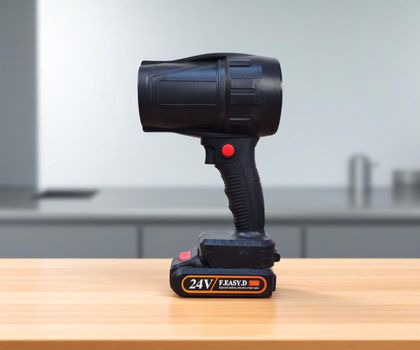
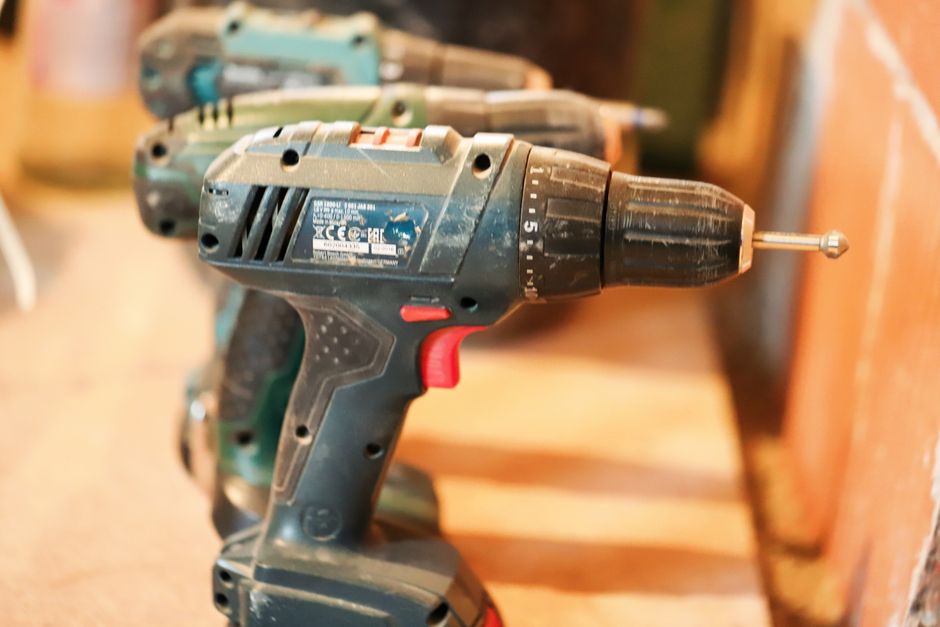
Power tool batteries come in several chemistries, but the most common today are lithium-ion (Li-ion), nickel-cadmium (NiCd), and nickel-metal hydride (NiMH). Lithium-ion batteries dominate the market because they offer high energy density, no memory effect, and a low self-discharge rate. They are lighter and more powerful than older chemistries, making them ideal for cordless drills, saws, and impact drivers.
NiCd batteries were once the standard, known for their durability and ability to deliver high current. However, they suffer from memory effect and contain toxic cadmium, so they are largely phased out. NiMH batteries are a middle ground, offering better capacity than NiCd without the memory effect, but they still self-discharge faster than Li-ion. Understanding these differences helps you choose the right battery for your tools and usage patterns.
What Does Voltage Mean for Power Tool Batteries?
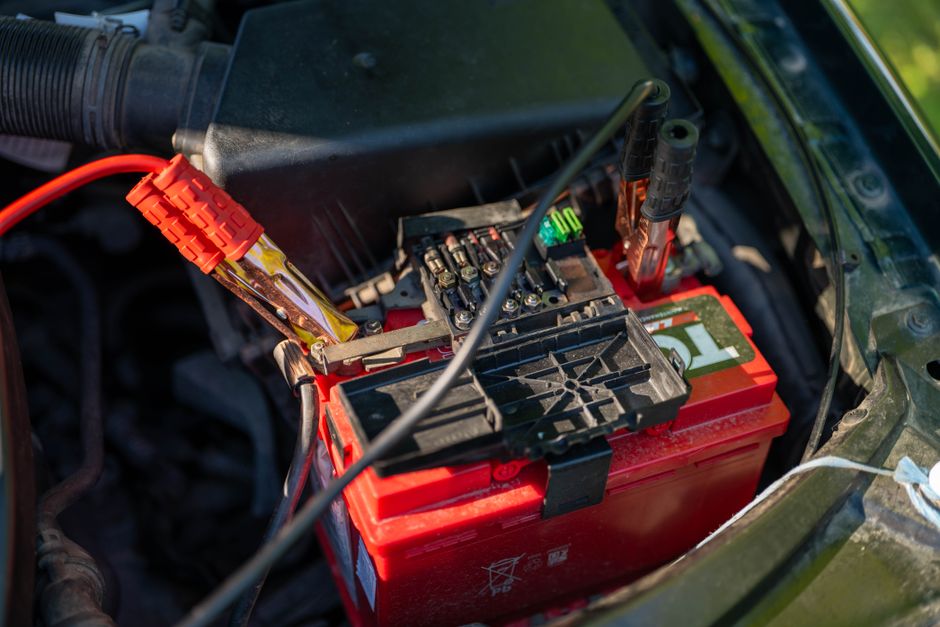
Voltage indicates the electrical potential of a battery and directly affects the power and performance of your tool. Higher voltage generally means more power and faster cutting or drilling, but it also means a heavier and larger battery. Common voltages range from 12V for light-duty tasks to 18V, 20V, and even 60V for heavy-duty applications.
It's important to note that voltage ratings can be misleading. Some manufacturers use peak voltage (e.g., 20V Max) while others use nominal voltage (e.g., 18V). In reality, a 20V Max battery and an 18V battery often deliver similar performance. Always check the nominal voltage and amp-hour rating to compare fairly.
What Is Amp-Hour (Ah) and How Does It Affect Runtime?
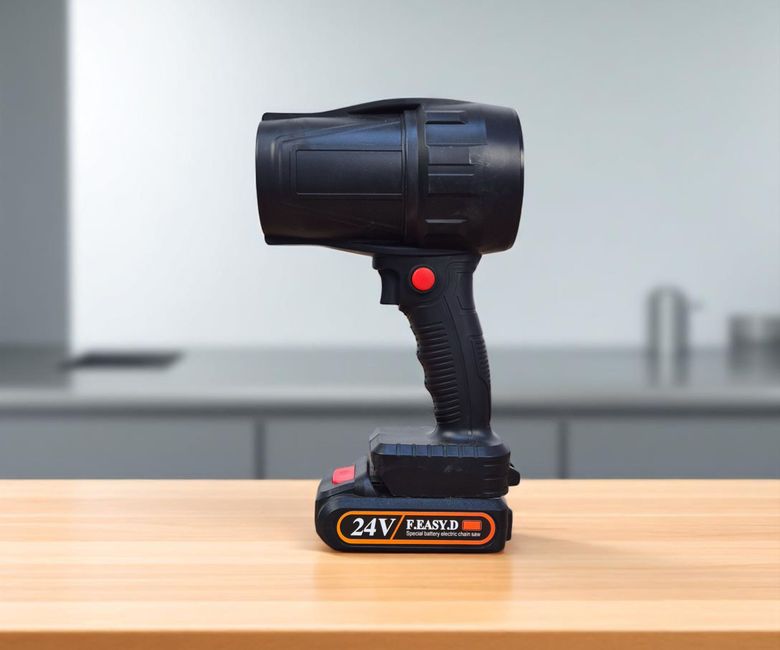
Amp-hour (Ah) measures the battery's capacity, essentially how long it can run before needing a recharge. A higher Ah rating means longer runtime. For example, a 5.0Ah battery will run roughly twice as long as a 2.5Ah battery under the same load. However, higher capacity batteries are also heavier and more expensive.
When choosing a battery, consider the task. For light tasks like drilling small holes, a 2.0Ah battery is sufficient. For heavy tasks like cutting lumber or grinding, a 5.0Ah or higher battery is better. Keep in mind that runtime also depends on the tool's power draw and the workload.
Do Power Tool Batteries Have a Memory Effect?
Memory effect is a phenomenon where a battery loses capacity if it is repeatedly recharged before being fully discharged. This was common with older NiCd batteries. Modern lithium-ion batteries do not have a memory effect, so you can recharge them at any time without worrying about reducing their capacity.
However, lithium-ion batteries do age, and their capacity will gradually decrease over time regardless of how you charge them. To maximize lifespan, avoid deep discharges and keep the battery cool. For NiCd batteries, if you still use them, fully discharge them occasionally to prevent memory effect.
How Should I Store Power Tool Batteries?
Proper storage extends battery life. Store lithium-ion batteries in a cool, dry place at around 50-70% charge. Avoid storing them fully charged or completely empty for long periods, as both can stress the cells. Extreme temperatures, especially heat, accelerate aging, so never leave batteries in a hot car or direct sunlight.
For NiCd and NiMH batteries, store them discharged or partially charged in a cool, dry place. Always keep batteries away from metal objects that could short the terminals. If you have multiple batteries, consider a dedicated storage case to prevent damage and keep them organized.
Can I Use a Higher Ah Battery on My Tool?
Yes, you can generally use a higher Ah battery on your tool as long as the voltage matches. The tool will draw the current it needs, and the higher capacity battery will simply provide longer runtime. It won't damage the tool, but it will add weight. Many users prefer higher Ah batteries for heavy-duty tools to avoid frequent swaps.
However, using a lower Ah battery than recommended might cause the battery to overheat or fail prematurely if the tool draws more current than the battery can deliver. Always check the tool's manual for recommended battery specifications. Also, ensure the battery is compatible with your tool's brand and series; many manufacturers use proprietary connections.
How Long Do Power Tool Batteries Last?
The lifespan of a power tool battery depends on chemistry, usage, and care. Lithium-ion batteries typically last 2-3 years or 500-1000 charge cycles. NiCd batteries can last longer, up to 1000-2000 cycles, but they are less common now. Heavy use and frequent deep discharges shorten lifespan.
To maximize longevity, avoid completely draining lithium-ion batteries, keep them cool, and use the correct charger. If you notice a significant drop in runtime or the battery takes longer to charge, it may be time to replace it. Proper maintenance can extend battery life well beyond the average.
What Should I Look for in a Battery Charger?
A good charger is essential for battery health. Look for a charger that is compatible with your battery chemistry and voltage. Smart chargers with temperature sensors and automatic shut-off prevent overcharging and overheating. Some chargers offer fast-charging, but frequent fast charging can reduce battery lifespan.
Consider a charger that can charge multiple batteries simultaneously if you use many tools. Also, check for diagnostic features that indicate battery health. Always use the charger recommended by your tool's manufacturer to ensure safety and optimal performance.
Are Off-Brand Batteries Safe to Use?
Off-brand batteries are cheaper, but they can be risky. They may not have the same safety features, such as overcharge protection, and could damage your tool or pose a fire hazard. Some off-brand batteries also have exaggerated capacity ratings, leading to disappointing performance.
If you choose off-brand, buy from reputable sellers and read reviews. However, for critical tools and safety, it's best to stick with OEM batteries. They are designed to work seamlessly with your tools and meet safety standards. The extra cost is often worth the peace of mind.
How Can I Extend the Life of My Power Tool Batteries?
To extend battery life, follow these tips: avoid extreme temperatures, don't leave batteries fully charged for long periods, and use the correct charger. For lithium-ion, partial discharges are better than full discharges. Store batteries at 50% charge if not used for months.
Also, avoid dropping or physically damaging batteries. Clean the terminals with a dry cloth to ensure good contact. Rotate your batteries if you have multiple to balance usage. By following these practices, you can get the most out of your investment and keep your tools running efficiently.
Want this program for your channel?
Send your volumes and target market. We quote with samples and lead time.