 English
 简体中文
简体中文 Русский
 Español
 Deutsch

Supply programme
Electronic Component Supply Chain News and Trends 2025
Stay updated on electronic component supply chain news and trends. Learn practical tips for resilience, sourcing, and inventory management. Read now!
Electronic Component Supply Chain News and Trends: A Comprehensive Guide
The electronic component supply chain is the backbone of modern technology. From smartphones and electric vehicles to industrial automation and medical devices, every electronic product depends on a complex global network of manufacturers, distributors, and logistics providers. In recent years, this supply chain has experienced unprecedented disruption, transformation, and innovation. Understanding the latest news and trends is essential for engineers, procurement specialists, business leaders, and anyone involved in electronics manufacturing.
This guide explores the current state of the electronic component supply chain, emerging trends, practical strategies for resilience, and what the future holds. Whether you are a small startup or a large OEM, these insights will help you navigate the challenges and opportunities ahead.
Why the Electronic Component Supply Chain Matters More Than Ever
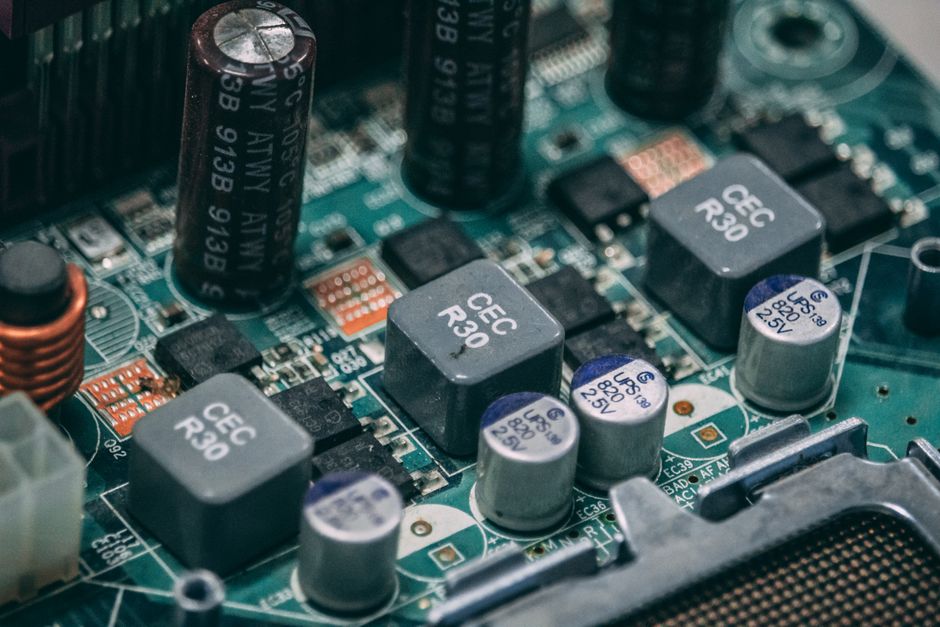
Electronic components—semiconductors, passive components, connectors, sensors, and power management ICs—are the building blocks of virtually all electronic systems. A single missing component can halt an entire production line. The COVID-19 pandemic exposed the fragility of just-in-time (JIT) inventory models, leading to widespread shortages of microcontrollers, capacitors, and other critical parts. Since then, the industry has been forced to rethink sourcing strategies, inventory management, and supplier relationships.
Today, the supply chain is influenced by geopolitical tensions, trade policies, natural disasters, and rapid technological shifts. Staying informed about news and trends is not just a competitive advantage—it is a necessity for survival.

Key Trends Shaping the Electronic Component Supply Chain in 2024–2025
1. Regionalization and Nearshoring
To reduce dependence on any single region, many companies are diversifying their manufacturing footprint. The CHIPS Act in the United States and the European Chips Act are incentivizing domestic semiconductor production. Meanwhile, companies are moving assembly closer to end markets—a trend known as nearshoring. Mexico, Eastern Europe, and Southeast Asia are emerging as popular alternatives to China for PCB assembly and component sourcing.
2. Inventory Buffering and Strategic Stockpiling
The era of lean inventories is giving way to a more balanced approach. Many OEMs now hold 60–90 days of critical components, especially those with long lead times. However, overstocking can tie up capital and lead to obsolescence. The key is to use data analytics to identify which parts truly need buffer stock.
3. Digitalization and Supply Chain Visibility
Real-time tracking, AI-driven demand forecasting, and blockchain for provenance are becoming mainstream. Platforms like SiliconExpert, Z2Data, and Supplyframe provide alerts on lead times, price changes, and risk events. Digital twins of supply chains allow companies to simulate disruptions and plan responses.
4. The Rise of Alternative Component Sources
When primary sources dry up, engineers are increasingly designing in alternative parts. This requires robust component engineering and approval processes. Some companies are also turning to open-source hardware and second-source agreements to mitigate risk.
5. Sustainability and Compliance
Environmental regulations such as RoHS, REACH, and conflict minerals reporting are pushing supply chains toward greater transparency. Consumers and investors are demanding ethical sourcing, and companies that fail to comply risk fines and reputational damage.
Current News Highlights: What’s Happening Now
- Semiconductor Demand Rebounds: After a downturn in 2023, demand for semiconductors is recovering, driven by AI, automotive electronics, and industrial IoT. Foundries like TSMC and Samsung are investing in advanced nodes.
- Lead Times Stabilize but Remain Volatile: While lead times for many components have shortened from their 2022 peaks, certain high-end MCUs and power discretes still have 30+ week lead times.
- Geopolitical Tensions: Export controls on advanced chips to China and the ongoing Russia-Ukraine conflict continue to disrupt raw material supplies, particularly neon and palladium.
- Logistics Challenges: Red Sea shipping disruptions have increased freight costs and transit times between Asia and Europe, forcing companies to reroute or air-freight critical components.
- Consolidation in Distribution: Major distributors are acquiring smaller players to offer broader inventories and value-added services, changing the landscape for buyers.
Practical Tips for Building a Resilient Supply Chain
Navigating today’s complex supply chain requires proactive strategies. Here are actionable tips for procurement and engineering teams:
- Multi-Source Critical Components: Identify single-source parts and qualify at least one alternative supplier. Use cross-reference tools to find pin-compatible replacements.
- Leverage Distributor Partnerships: Establish strategic relationships with authorized distributors who can provide priority allocation during shortages.
- Invest in Demand Forecasting: Use AI and machine learning to predict demand more accurately, reducing both excess and shortage risks.
- Monitor Risk Continuously: Subscribe to supply chain risk platforms and set up alerts for your bill of materials (BOM).
- Design for Flexibility: Where possible, design PCBs that accept multiple component footprints or values, making it easier to swap parts.
- Consider Consignment and VMI: Vendor-managed inventory (VMI) and consignment agreements can shift inventory carrying costs to suppliers while ensuring availability.
Table: Common Electronic Components and Their Supply Chain Risk Levels
| Component Type | Typical Lead Time | Risk Level | Primary Sourcing Regions |
|---|---|---|---|
| Microcontrollers (MCUs) | 20–52 weeks | High | Taiwan, USA, Japan |
| Multilayer Ceramic Capacitors (MLCCs) | 8–20 weeks | Medium | Japan, South Korea, China |
| Power MOSFETs | 12–30 weeks | Medium-High | USA, Europe, China |
| Connectors | 6–16 weeks | Low-Medium | USA, Europe, Asia |
| Analog ICs | 16–40 weeks | High | USA, Europe |
| Passive Components (Resistors, Inductors) | 4–12 weeks | Low | China, Taiwan, Southeast Asia |
The Role of Technology in Supply Chain Management
Technology is transforming how companies manage their electronic component supply chains. Cloud-based ERP systems integrate with supplier portals to provide real-time visibility. AI algorithms predict shortages before they happen. Blockchain ensures traceability from raw material to finished product. Additionally, advanced analytics can identify cost-saving opportunities and optimize inventory levels.
For smaller companies, affordable tools like Octopart, Findchips, and TrustedParts offer price and availability comparisons. Larger enterprises may invest in custom dashboards that aggregate data from multiple distributors and internal systems.
Future Outlook: What to Expect in the Next 5 Years
The electronic component supply chain will continue to evolve. We can expect:
- Greater Regional Self-Sufficiency: More semiconductor fabs and assembly plants in the US and Europe.
- AI-Driven Automation: From procurement to logistics, AI will handle more decision-making.
- Circular Economy: Increased recycling and reuse of components to reduce waste and mitigate shortages.
- Standardization of Component Data: Initiatives like the Electronic Component Information Exchange (ECIX) will improve data sharing.
- Cybersecurity Focus: As supply chains become more digital, protecting against cyber threats will be paramount.
Conclusion
The electronic component supply chain is dynamic and challenging, but also full of opportunities for those who stay informed and adaptable. By understanding current trends, leveraging technology, and adopting resilient strategies, businesses can navigate disruptions and secure a competitive edge. Keep a close eye on news, cultivate strong supplier relationships, and design for flexibility. The future belongs to those who can anticipate change and respond swiftly.
Parts in scope
Browse all Parts frequently quoted with this programme

Keep reading
Other supply programmes
Electronic Components Trade Show News and Highlights Discover the top electronic components trade show news and highlights, from AI demand and wide-bandgap semiconductors to supply chain and automotive trends. View solution Electronic Component Earnings Reports Explained Learn how to read electronic component company earnings reports. Understand book-to-bill, margins, inventory, and guidance to make smarter decisions. View solution Electronic Components M&A News: Latest Deals Guide Track the latest electronic components M&A deals, learn what drives semiconductor and passive component consolidation, and protect your supply chain. Read the guide. View solution Electronic Components Price Changes: Latest News 2025 Latest electronic components price changes explained: MLCC, memory, MCU trends plus practical tips to protect your BOM. Stay ahead—read the full guide now. View solution
Start a programme like this
Send the channel you sell into, the parts you already use and your annual volume.