Introduction: Why Electronic Components Company Acquisition News Matters
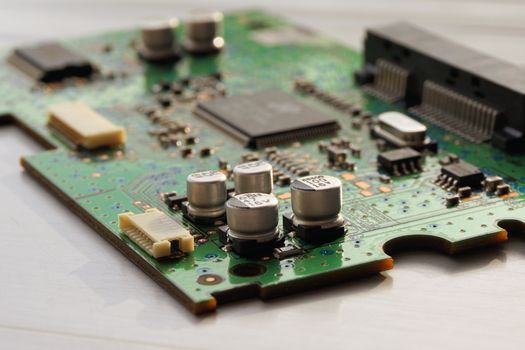
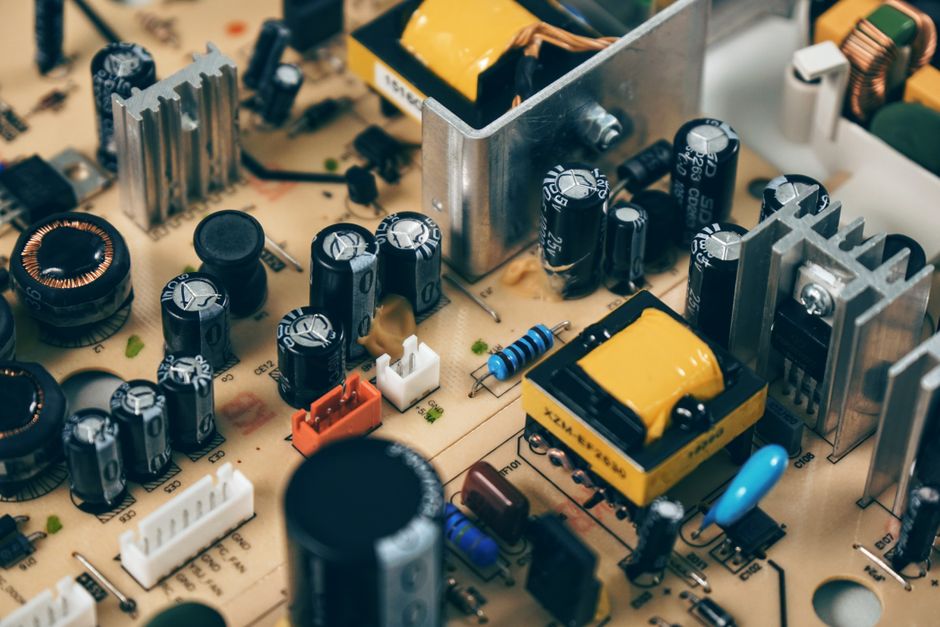
The electronic components industry is the backbone of modern technology. From smartphones and electric vehicles to industrial automation and medical devices, nearly every electronic system depends on a complex global supply chain of semiconductors, passive components, connectors, sensors, and electromechanical parts. When a major electronic components company announces an acquisition, the ripple effects can be felt across the entire supply chain—affecting pricing, availability, design cycles, and long-term sourcing strategies.
This comprehensive guide covers the latest electronic components company acquisition news, explains why these deals happen, and provides practical tips for engineers, procurement managers, and business leaders who need to navigate the changing landscape. Whether you are a design engineer selecting a microcontroller supplier or a purchasing manager negotiating volume contracts, understanding acquisition activity helps you make smarter decisions.
Latest Electronic Components Acquisition News and Trends
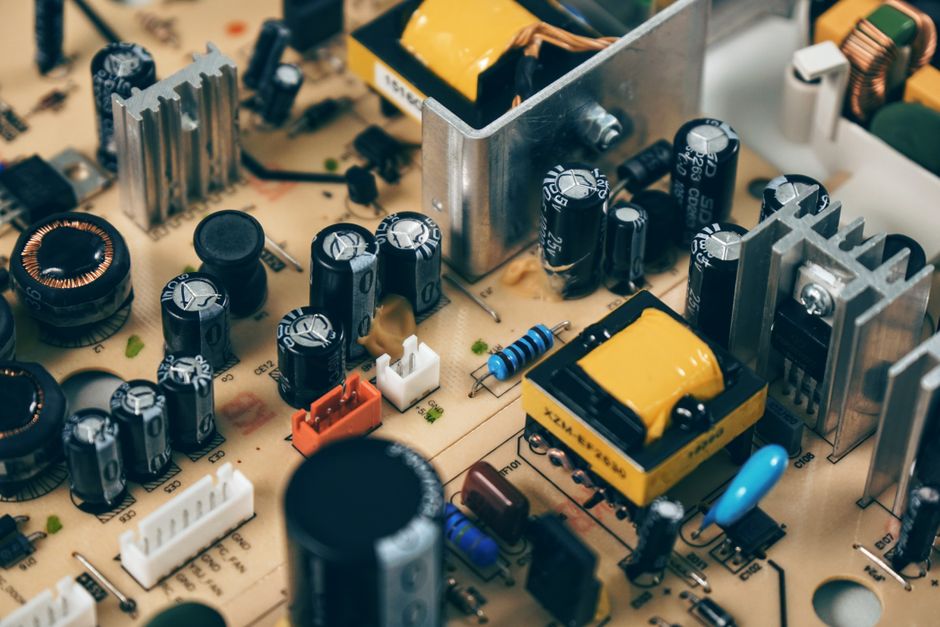
The past few years have seen an unprecedented wave of consolidation in the electronic components sector. Large distributors and manufacturers are acquiring smaller, specialized players to broaden their portfolios, secure intellectual property, and gain access to niche technologies such as wide-bandgap semiconductors, high-frequency RF components, and advanced sensor fusion.
Key Drivers Behind Recent Deals
- Supply chain resilience: Companies are acquiring suppliers to reduce dependence on single sources and mitigate geopolitical risk.
- Technology expansion: Buying a company with expertise in GaN, SiC, or MEMS sensors is faster than developing it in-house.
- Market access: Acquisitions often provide immediate entry into automotive, industrial, or medical markets with established customer relationships.
- Economies of scale: Larger entities can negotiate better wafer pricing and logistics contracts.
Recent notable activity includes distributor consolidation, where top-tier catalog distributors have acquired regional specialists to expand their inventory depth and local support. Meanwhile, semiconductor manufacturers continue to vertically integrate by acquiring packaging and testing facilities.

How Acquisitions Affect the Electronic Components Supply Chain
When one electronic components company acquires another, the supply chain implications are significant. Understanding these effects helps you anticipate disruptions and plan accordingly.
Short-Term Effects
- Part number changes: Acquired companies often rebrand or consolidate part numbers, which can cause confusion in BOMs and ERP systems.
- Lead time fluctuations: Integration activities may temporarily slow production or logistics.
- Pricing adjustments: New ownership may revise pricing structures, especially for low-volume customers.
- Contract reviews: Existing supply agreements may be renegotiated, affecting long-term pricing and delivery terms.
Long-Term Effects
- Portfolio rationalization: Some legacy components may be discontinued, forcing redesigns.
- Improved availability: Combined entities often have stronger inventory positions and better global distribution.
- Innovation acceleration: R&D resources may be consolidated, leading to faster product roadmaps.
- Reduced competition: In some niches, consolidation can limit choices and increase prices.
Practical Tips for Engineers and Procurement Teams
Acquisition news can be disruptive, but with the right approach, you can turn it into an advantage. Here are actionable tips.
1. Monitor Acquisition Announcements Regularly
Subscribe to industry news outlets, distributor newsletters, and manufacturer press releases. Set up Google Alerts for your key suppliers. Early awareness gives you time to assess impact before parts become scarce.
2. Audit Your BOM for Single-Source Components
Identify components sourced from a single manufacturer, especially those from companies involved in M&A activity. For each critical part, evaluate second-source options or pin-compatible alternatives.
3. Engage with Distributors Early
Ask your distributors about the acquisition and how it affects inventory, pricing, and lead times. Distributors often receive advance notice and can provide guidance on lifecycle status.
4. Plan for Part Number Changes
Maintain a cross-reference database that maps old part numbers to new ones. Update your ERP and PLM systems promptly to avoid ordering errors.
5. Consider Strategic Stockpiling
For high-risk components, consider building a buffer inventory. Balance this against carrying costs and obsolescence risk. Focus on parts with long lead times or unique specifications.
6. Evaluate Alternative Technologies
Acquisitions sometimes signal a shift in technology direction. For example, if a supplier is acquired by a company focused on SiC, their legacy silicon products may be phased out. Stay informed about roadmap changes.
Case Study: Impact of a Major Distributor Acquisition
Consider a hypothetical scenario based on real industry patterns: A large global distributor acquires a regional specialist known for high-reliability connectors used in aerospace. In the first six months, customers see part number consolidation, with some connectors moved to the parent company's catalog under new SKUs. Lead times initially increase by 20% as inventory is integrated. However, within a year, the combined entity offers improved global logistics, better pricing for volume orders, and access to a wider range of interconnect solutions.
For engineers, the key lesson is to maintain flexibility. Design with standard footprints where possible and avoid over-reliance on a single supplier's proprietary ecosystem.
Table: Common Acquisition Scenarios and Recommended Actions
| Scenario | Potential Impact | Recommended Action |
|---|
| Distributor acquires regional competitor | Part number changes, temporary lead time increases | Update cross-reference, confirm pricing, monitor stock |
| Semiconductor firm acquires fab | Improved capacity, possible process changes | Validate new process design kits (PDKs), check qualification status |
| Passive component maker acquires sensor company | Portfolio expansion, cross-selling | Explore bundling opportunities, review technical support |
| Private equity buys component manufacturer | Cost-cutting, possible divestitures | Assess long-term commitment, identify alternative sources |
What to Watch in Future Electronic Components M&A
Several trends will shape acquisition activity in the coming years. First, the push for electric vehicles and renewable energy will drive demand for power semiconductors, leading to more deals in SiC and GaN. Second, the Internet of Things (IoT) will spur acquisitions in low-power wireless and sensor technologies. Third, geopolitical tensions will encourage regional consolidation, particularly in North America and Europe, to secure domestic supply chains.
Additionally, we may see more vertical integration, with OEMs acquiring component makers to secure critical parts. This could change the competitive dynamics, making it harder for smaller customers to get priority allocation.
Conclusion: Stay Informed and Agile
Electronic components company acquisition news is more than just business headlines—it directly affects your ability to design, build, and deliver products. By staying informed, auditing your supply chain, and maintaining flexible design practices, you can navigate the changing landscape successfully. Remember to leverage distributors, monitor part lifecycles, and always have a backup plan for critical components. In an industry defined by rapid innovation and global interdependence, agility is your greatest asset.
 English
 简体中文
简体中文 Русский
 Español
 Deutsch