Compare analog vs digital multimeters: accuracy, features, pros & cons. Find out which multimeter is best for your needs. Read our guide!
Sep 30, 2026 83
Share
Analog vs Digital Multimeter: Key Differences Explained
Choosing the right multimeter is essential for anyone working with electrical systems, from hobbyists to professional electricians. The two main types—analog and digital—each have distinct strengths and weaknesses. This article breaks down the key differences, compares features, and provides a clear recommendation to help you decide which multimeter suits your needs.
What is an Analog Multimeter?
An analog multimeter, also known as a VOM (Volt-Ohm-Milliammeter), displays measurements using a moving pointer over a calibrated scale. It typically uses a microammeter with a needle that deflects proportionally to the current being measured. Analog meters are known for their simplicity, durability, and ability to show gradual changes in readings.
Key Features of Analog Multimeters
Display: Moving needle and scale
Accuracy: Typically ±2-5% of full scale
Resolution: Limited by scale markings
Input Impedance: Lower (e.g., 20kΩ/V), which can load circuits
Power Source: Usually no battery needed for voltage/current measurements
Durability: Robust, can withstand rough handling
Price: Generally lower cost
Best For: Quick checks, trending, and educational purposes
What is a Digital Multimeter?
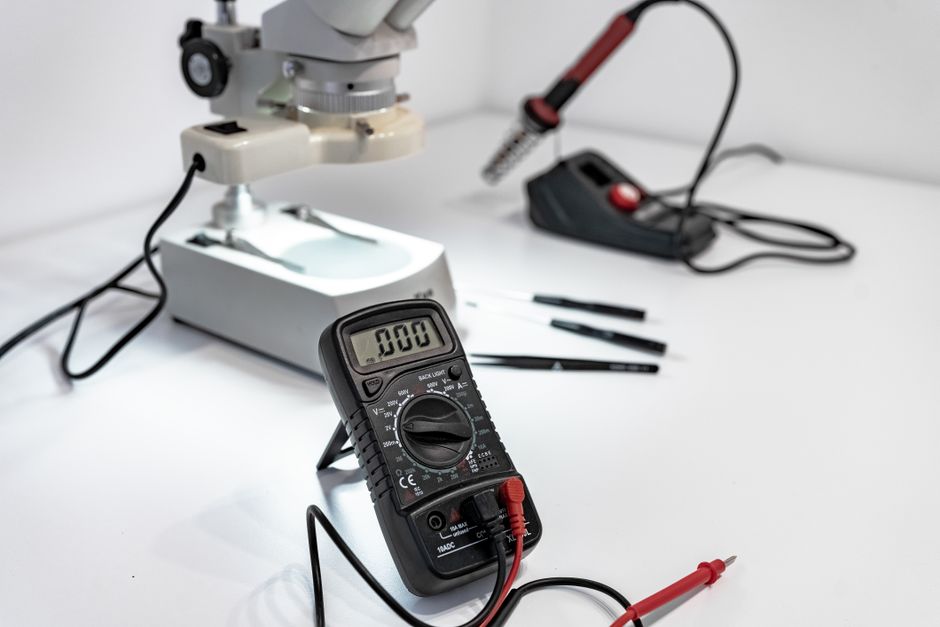
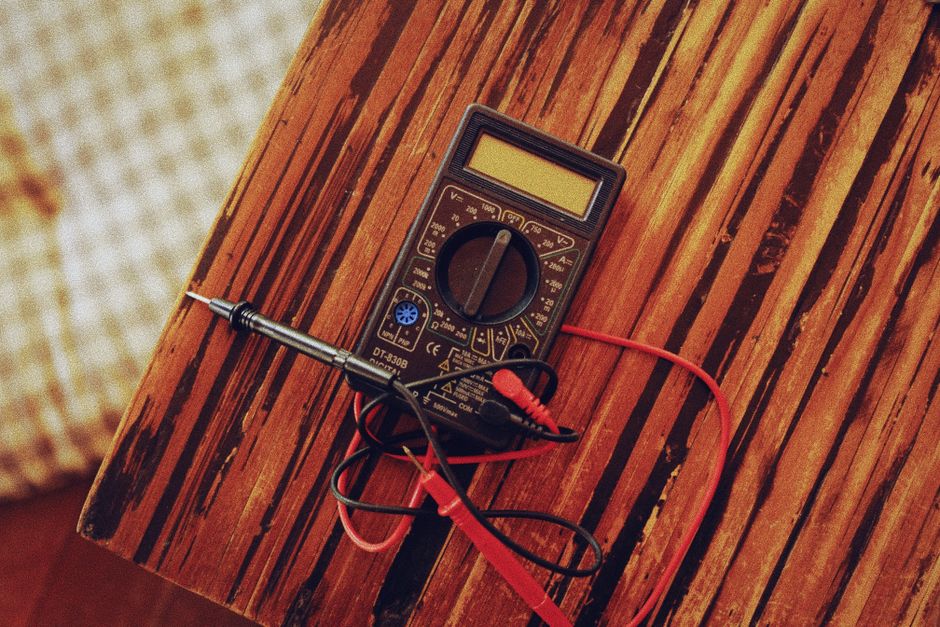
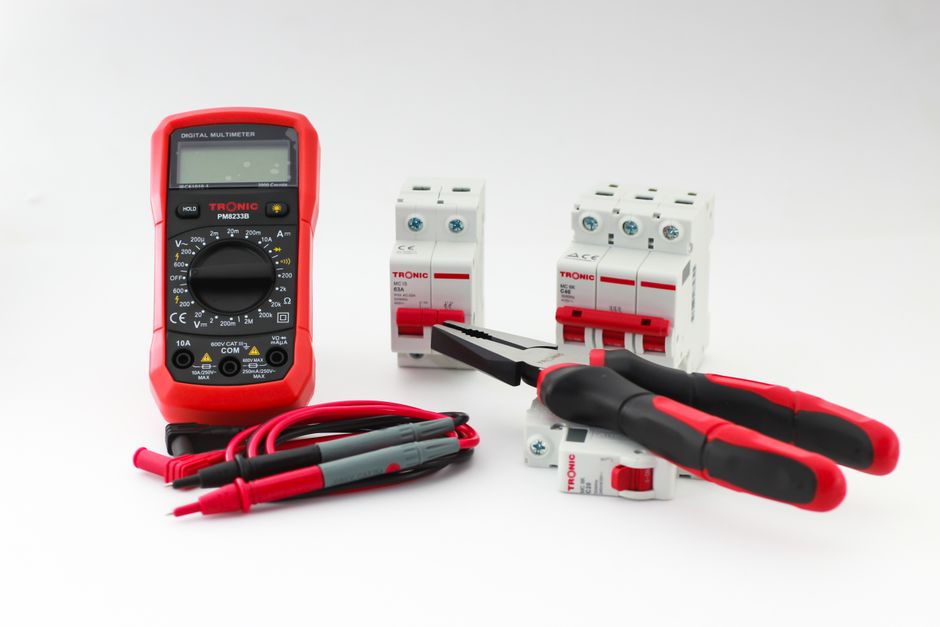
A digital multimeter (DMM) displays measurements as numerical values on an LCD or LED screen. It uses an analog-to-digital converter to process the input signal and provides precise, easy-to-read results. Digital multimeters have become the standard for most professional and DIY applications due to their accuracy and additional features.
Key Features of Digital Multimeters
Display: Digital numeric display
Accuracy: High, typically ±0.5% or better
Resolution: High, often 3.5 to 4.5 digits
Input Impedance: High (10MΩ or more), minimizing circuit loading
Power Source: Requires battery
Durability: Less rugged but often with protective casing
Price: Ranges from budget to high-end
Best For: Precise measurements, troubleshooting, and advanced diagnostics
Comparison Table: Analog vs Digital Multimeter
Feature
Analog Multimeter
Digital Multimeter
Display
Moving needle and scale
Digital LCD/LED
Accuracy
±2-5% full scale
±0.5% or better
Resolution
Limited by scale
High (3.5-4.5 digits)
Input Impedance
Low (e.g., 20kΩ/V)
High (10MΩ+)
Power Source
Often none for V/A
Battery required
Durability
High
Moderate
Price
Low
Varies (budget to high)
Best Use
Quick checks, education
Precision work, troubleshooting
Pros and Cons
Analog Multimeter
Pros: Simple, durable, no battery for basic measurements, good for observing trends, inexpensive.
Cons: Lower accuracy, harder to read, susceptible to parallax errors, lower input impedance can affect circuits.
Digital Multimeter
Pros: High accuracy, easy to read, high input impedance, additional features (auto-ranging, capacitance, frequency, etc.), data hold, backlight.
Cons: Requires battery, less rugged, can be more expensive, may have ghost voltage issues.
Which One Should You Choose?
The choice between analog and digital multimeters depends on your specific needs:
For professionals and serious hobbyists: A digital multimeter is the clear winner. Its accuracy, resolution, and advanced features make it indispensable for troubleshooting, design, and repair work. Models with True RMS, auto-ranging, and safety ratings (CAT III/IV) are recommended.
For beginners and students: An analog multimeter can be a cost-effective learning tool. It helps understand the fundamentals of voltage, current, and resistance without the complexity of digital features.
For field work where durability is key: Analog meters may survive drops better, but rugged digital models with protective holsters are available.
For precision measurements: Always choose digital. Analog meters simply cannot match the accuracy required for modern electronics.
Ultimately, many professionals keep both types in their toolkit. An analog meter can be handy for quick continuity checks or peaking signals, while a digital meter handles the precise tasks.
Conclusion
Analog and digital multimeters serve different purposes. Analog meters offer simplicity and durability at a low cost, while digital meters provide superior accuracy and features. For most users today, a digital multimeter is the best investment. However, understanding both types can make you a more versatile technician. Assess your measurement needs, budget, and working environment to make the right choice.
Discover the best digital multimeters under $100. Our top picks include Fluke, Klein Tools, AstroAI, and more. Find your perfect budget multimeter today!
Discover what a megohmmeter is used for, how insulation resistance testing works, and why it matters. Read our simple guide and test with confidence today!
Message Online
Tell us what has to be measured
Share the measurement job, the model or measurement range, the accuracy grade you need and the destination market — we reply with suitable models, calibration options, evaluation units and pricing.

 English
 简体中文
简体中文 Русский
 Español
 Deutsch