
 English
 简体中文
简体中文 Русский
 Español
 Deutsch
Supply programme
How Often Should Multimeters Be Calibrated?
How often should multimeters be calibrated? Experts recommend annual calibration for most DMMs. Learn the factors, costs, and best practices. Read the full guide!
How Often Should Multimeters Be Calibrated? Expert Answers
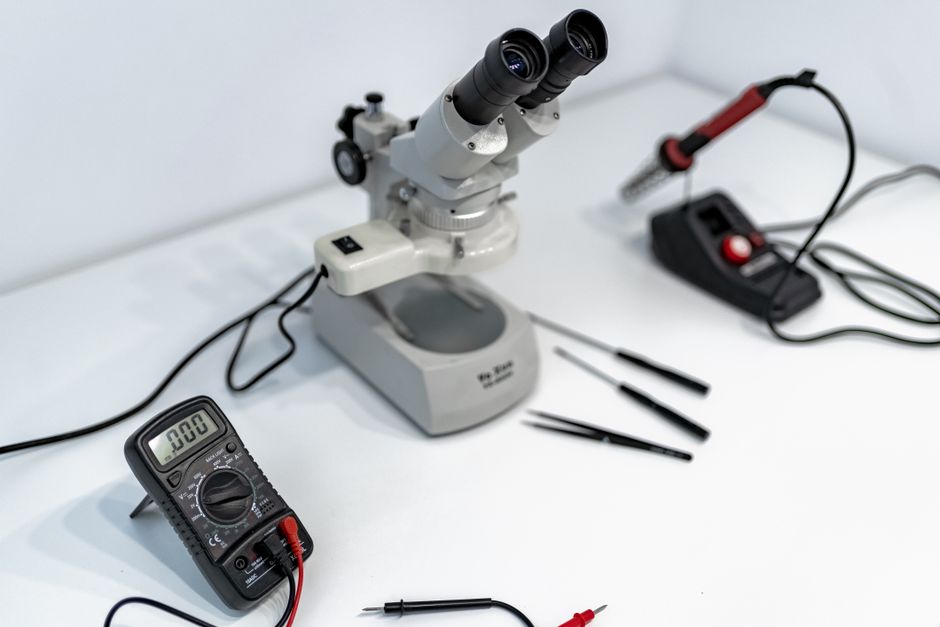
Multimeters are among the most trusted tools in any electrical or electronics workspace, but their readings are only as reliable as their calibration. Whether you use a handheld DMM for field service or a benchtop unit in a lab, regular calibration is what keeps your measurements accurate and your results defensible. Below, our experts answer the most common questions about multimeter calibration frequency, methods, and best practices.
What Is Multimeter Calibration and Why Does It Matter?
Calibration is the process of comparing your multimeter's readings against a known reference standard, then documenting any deviation. If the meter drifts outside acceptable tolerances, it is adjusted so its displayed values match the true value within a specified uncertainty. This is not the same as "calibration adjustment" alone — a proper calibration includes measurement, documentation, and a traceable certificate.
Calibration matters because inaccurate readings can lead to misdiagnosed faults, unsafe electrical work, failed audits, and even product recalls. In regulated industries such as aerospace, medical devices, and power generation, uncalibrated instruments can invalidate entire test records. Even in general maintenance work, a meter that reads 2% low could cause you to miss an overloaded circuit or pass a component that is actually out of spec.
How Often Should a Multimeter Be Calibrated?
The short answer: most multimeters should be calibrated annually. A 12-month interval is the industry default recommended by manufacturers such as Fluke, Keysight, and Hioki, and it satisfies the requirements of ISO 9001, ISO/IEC 17025, and most military and safety standards. For meters used in critical applications or harsh environments, a 6-month interval may be required.
However, the "right" interval depends on several factors. A meter that sits on a bench in a climate-controlled lab may safely go 24 months between calibrations, while a unit carried daily into industrial sites, exposed to vibration, temperature swings, and dropping, may need calibration every 6 months or after any suspected shock event. The best approach is to start with the manufacturer's recommendation, then adjust based on your own calibration history and drift data.
What Factors Determine Calibration Frequency?
Several variables should shape your calibration schedule. Understanding them helps you move from a generic annual cycle to a risk-based plan that balances cost and confidence.
- Manufacturer recommendations: Always the starting point; some high-precision bench meters specify 12 months, others 24.
- Usage intensity: Daily field use wears components faster than occasional bench use.
- Environmental conditions: Temperature, humidity, dust, and vibration accelerate drift.
- Criticality of measurements: Safety-related or regulatory testing demands tighter intervals.
- Historical drift: If your meter consistently drifts, shorten the interval; if it never drifts, you may extend it.
- Quality system requirements: ISO/IEC 17025 labs, ISO 9001 manufacturers, and FDA-regulated facilities often mandate specific intervals.
Does a New Multimeter Need Calibration Before Use?
New multimeters typically ship with a manufacturer's calibration certificate, and many arrive already within specification. That said, a brand-new meter is not automatically immune to shipping damage or storage drift. For regulated work, best practice is to verify the meter upon receipt — either by checking it against a known reference or by sending it for an initial calibration with a traceable certificate.
If the meter comes with a dated calibration certificate from the factory, you can usually begin using it immediately, but you should log the certificate and start your calibration clock from the certificate date, not the purchase date. For non-critical hobby or general use, a quick sanity check against a fresh battery or a known resistor is often sufficient before first use.
Can I Calibrate a Multimeter Myself?
You can perform a basic verification at home using a voltage reference, precision resistors, or a calibrated source, and this is a good practice for catching gross errors between professional calibrations. However, true calibration that produces a traceable certificate requires equipment and expertise most users do not have.
Professional calibration involves a calibrated multifunction calibrator, controlled environmental conditions, and documented uncertainty budgets. If your work is subject to audits or safety standards, self-calibration will not satisfy the requirement. Even for general use, we recommend professional calibration at least annually, with periodic in-house checks in between to monitor drift.
What Happens If You Skip Calibration?
Skipping calibration allows drift to accumulate unnoticed. A meter that was accurate to ±0.5% last year may now be off by 2% or more, and you will have no way of knowing without a reference. The consequences range from inconvenient to dangerous: misdiagnosed equipment, wasted troubleshooting time, failed compliance audits, and in the worst case, unsafe electrical work that puts people at risk.
There is also a financial cost. Uncalibrated instruments can void warranties, invalidate test reports, and force costly rework when a client or regulator rejects your data. In regulated industries, using an out-of-calibration meter can result in fines, lost certifications, or product recalls.
How Much Does Multimeter Calibration Cost?
Calibration costs vary widely by meter type and required accuracy. A basic handheld DMM calibration typically ranges from $40 to $120, while high-precision benchtop multimeters with 6.5-digit resolution can cost $200 to $500 or more, especially if a full uncertainty analysis and ISO/IEC 17025 accredited certificate are required.
Many calibration labs offer volume discounts, multi-year contracts, and on-site service. When budgeting, remember that the cost of calibration is almost always lower than the cost of an inaccurate measurement — especially in safety-critical or regulated environments. Some manufacturers also offer calibration plans that include reminders, shipping, and loaner units.
How Do I Know When My Multimeter Needs Recalibration?
Beyond the calendar, several warning signs suggest your meter may need attention sooner than planned. Watch for readings that seem inconsistent with expectations, a meter that fails a routine verification check, physical damage from a drop, exposure to extreme temperatures, or a display that flickers or behaves erratically.
You should also recalibrate after any repair, after replacing internal components such as fuses or batteries in precision circuits, and whenever a regulatory or customer requirement demands it. Keeping a simple log of verification checks and environmental exposure helps you spot drift trends and justify interval changes to auditors.
What Is the Difference Between Calibration and Adjustment?
These terms are often confused. Calibration is the measurement and documentation of a meter's performance against a standard — it tells you how far off the meter is. Adjustment is the physical or electronic process of bringing the meter back into specification. A calibration can be performed without any adjustment, and many certificates simply report "as found" and "as left" data.
Understanding the distinction matters when reviewing certificates. An "as found" reading that is out of tolerance tells you the meter was inaccurate during use, which may require reviewing past measurements. An "as left" reading confirms the meter is now within spec. Always check both values to fully understand your instrument's history.
Quick Reference: Recommended Calibration Intervals
| Application | Typical Interval | Notes |
|---|---|---|
| General hobby / home use | 24 months | Verification checks recommended |
| Field service (handheld DMM) | 12 months | 6 months in harsh environments |
| Lab / benchtop precision | 12 months | Follow manufacturer spec |
| Regulated / safety-critical | 6–12 months | Per ISO/IEC 17025 or customer requirement |
| After repair or drop | Immediate | Recalibrate before returning to service |
Final Thoughts
For most users, an annual calibration is the right default, adjusted up or down based on usage, environment, and regulatory needs. Pair scheduled professional calibration with periodic in-house verification, keep good records, and treat every drop or repair as a trigger for recalibration. Done consistently, this approach keeps your multimeter accurate, your data trustworthy, and your work compliant.
Instruments in scope
Browse all Models frequently quoted with this programme
Keep reading
Other supply programmes
Latest Testing Instruments Company News & Product Updates Stay updated with the latest testing instruments company news and product launches. Discover new multimeters, oscilloscopes, and more. Read now! View solution How to Use an Oscilloscope: Beginner's Complete Guide Learn how to use an oscilloscope with this beginner‘s guide. Master controls, probes, triggering, and measurements. Start measuring like a pro today! View solution Power Quality Analyzer Buying Guide: Key Features Choose the right power quality analyzer. Learn which features matter: accuracy class, sampling rate, harmonics, recording, and software. Read our buying guide now. View solution Insulation Resistance Tester: How It Works & FAQ Discover what an insulation resistance tester is and how it works. Learn about applications, safety, and result interpretation. Ensure electrical safety today! View solution
Start a programme like this
Send the channel you sell into, the measurement jobs you cover and your annual volume.