
 English
 简体中文
简体中文 Русский
 Español
 Deutsch
Supply programme
Insulation Resistance Tester: How It Works & FAQ
Discover what an insulation resistance tester is and how it works. Learn about applications, safety, and result interpretation. Ensure electrical safety today!
What is an insulation resistance tester?
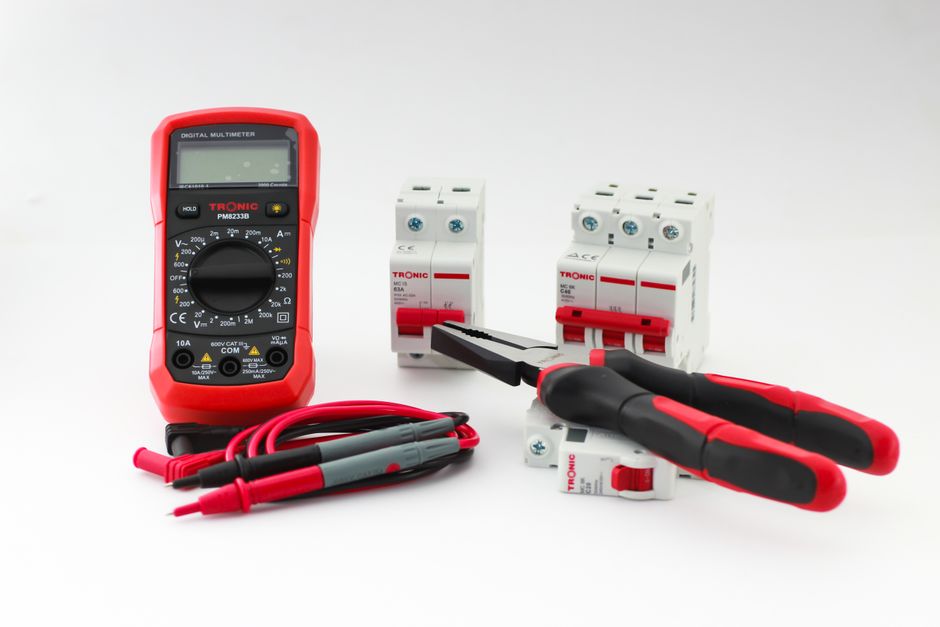
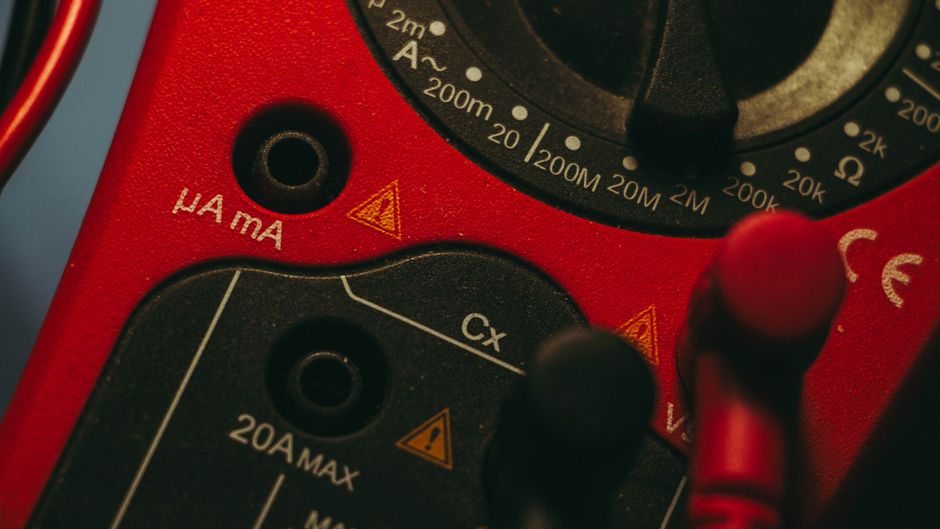
An insulation resistance tester is a specialized electrical test instrument used to measure the resistance of insulation materials in cables, motors, transformers, and other electrical equipment. It applies a high DC voltage (typically 500V, 1000V, or 2500V) across the insulation and measures the resulting current to calculate resistance in megohms (MΩ) or gigohms (GΩ). This measurement indicates the quality of the insulation and its ability to prevent current leakage.
Unlike a standard multimeter, which uses a low voltage and cannot accurately measure high resistances, an insulation resistance tester is designed to detect small leakage currents and provide reliable readings even at very high resistance values. It is an essential tool for preventive maintenance, commissioning, and troubleshooting of electrical systems.
How does an insulation resistance tester work?
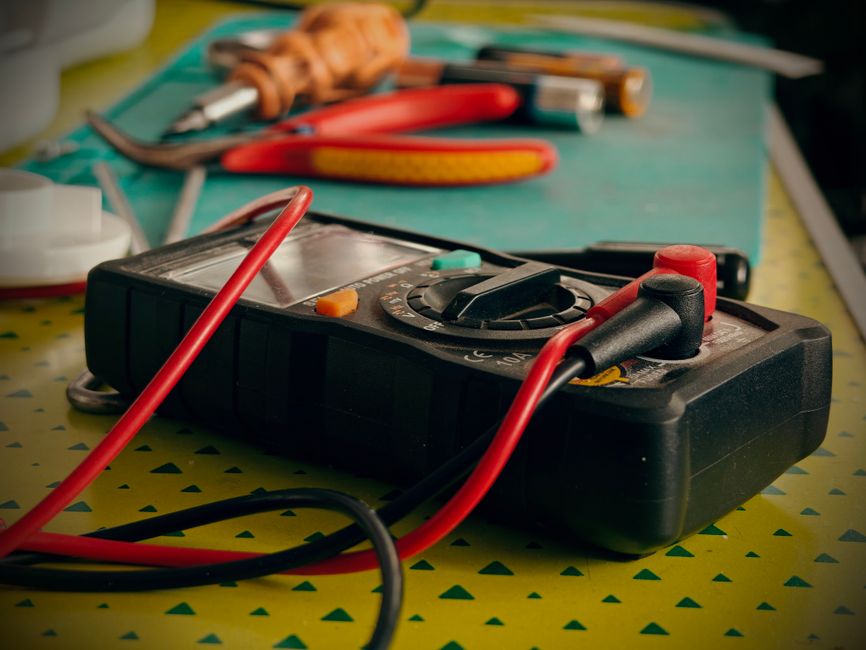
The tester works by generating a stable high-voltage DC output, which is applied between the conductor and the ground (or between two conductors). According to Ohm's law (R = V/I), the instrument measures the very small current that flows through the insulation and calculates the resistance. The higher the resistance, the better the insulation quality.
Modern testers often include features like automatic discharge, timer functions, and multiple test voltages. Some advanced models can perform polarization index (PI) and dielectric absorption ratio (DAR) tests, which involve taking readings at different time intervals to assess insulation condition more thoroughly.
What are the typical applications of an insulation resistance tester?
Insulation resistance testers are widely used in various industries and applications, including:
- Testing cables, wires, and busbars before installation or after repair.
- Checking motors, generators, and transformers for winding insulation integrity.
- Verifying the insulation of switchgear, panelboards, and distribution systems.
- Maintenance of industrial machinery and equipment.
- Inspecting appliances and tools for electrical safety.
- Commissioning and periodic testing of renewable energy systems (solar, wind).
In essence, any situation where electrical insulation is critical to safe operation benefits from insulation resistance testing.
What is the difference between insulation resistance tester and megohmmeter?
In practice, the terms "insulation resistance tester" and "megohmmeter" are often used interchangeably. Both refer to instruments that measure high resistance values in the megohm range. However, "megohmmeter" is a broader term that historically describes any instrument measuring resistance in megohms, while "insulation resistance tester" specifically emphasizes testing insulation.
Modern insulation resistance testers are essentially advanced megohmmeters with additional features like multiple test voltages, PI/DAR calculations, and data storage. So, while all insulation resistance testers are megohmmeters, not all megohmmeters are specifically designed for insulation testing.
How to choose the right insulation resistance tester?
Selecting the appropriate tester depends on several factors:
- Test voltage: Choose based on the equipment's rated voltage. Common test voltages are 500V, 1000V, 2500V, and 5000V. For low-voltage systems (up to 1000V), a 500V or 1000V tester is sufficient. For medium-voltage equipment, higher voltages are needed.
- Resistance range: Ensure the tester can measure up to the expected resistance values (e.g., up to 1 TΩ for sensitive equipment).
- Features: Look for features like PI/DAR, timer, memory, PC connectivity, and safety ratings (CAT III/CAT IV).
- Environment: Consider portability, battery life, and ruggedness for field use.
- Budget: Prices vary widely; balance features with cost.
It's also important to check that the tester meets relevant safety standards, such as IEC 61010.
What are the safety precautions when using an insulation resistance tester?
Safety is paramount when performing insulation resistance tests because of the high voltages involved. Always follow these precautions:
- De-energize and lock out the equipment before testing.
- Discharge any stored energy in capacitors or long cables after testing.
- Use personal protective equipment (PPE) like insulated gloves and safety glasses.
- Ensure the tester is properly grounded and leads are in good condition.
- Never touch the test leads or the equipment under test during the test.
- Follow the manufacturer's instructions and your company's safety procedures.
Additionally, after testing, the tester itself may retain a charge; use the built-in discharge function and verify with a voltage detector before handling.
How to interpret insulation resistance test results?
Interpretation depends on the equipment type, test voltage, and historical data. Generally, a higher resistance indicates better insulation. Common guidelines:
| Resistance (MΩ) | Interpretation |
|---|---|
| > 1000 | Excellent insulation |
| 100 - 1000 | Good insulation |
| 10 - 100 | Fair, may require attention |
| 1 - 10 | Poor, likely needs repair |
| < 1 | Bad, insulation failure |
However, these values are not absolute; always refer to industry standards (e.g., IEEE 43, IEC 60085) and manufacturer recommendations. Trending results over time is more valuable than a single reading. A sudden drop in resistance indicates a problem.
What is polarization index (PI) and dielectric absorption ratio (DAR)?
PI and DAR are advanced diagnostic tests that assess insulation condition by comparing resistance readings taken at different times during a continuous test. DAR is the ratio of resistance at 60 seconds to that at 30 seconds (DAR = R60/R30). PI is the ratio of resistance at 10 minutes to that at 1 minute (PI = R10min/R1min).
These ratios indicate how well the insulation absorbs moisture and contaminants. For dry, clean insulation, the resistance increases with time, resulting in PI > 2 and DAR > 1.4. Lower values suggest moisture, dirt, or degradation. PI and DAR are particularly useful for assessing large motors and generators.
How often should insulation resistance testing be performed?
The frequency depends on the equipment's criticality, environment, and maintenance schedule. Typical recommendations include:
- Annually for most industrial equipment.
- After any repair, rewinding, or exposure to moisture.
- Before commissioning new installations.
- More frequently (e.g., quarterly) for critical equipment in harsh environments.
Always follow manufacturer guidelines and local regulations. Regular testing helps detect deterioration early, preventing costly downtime and safety hazards.
Can insulation resistance testing detect all insulation problems?
No, insulation resistance testing is not a catch-all. It is effective at detecting moisture, contamination, and gross insulation failures, but it may not detect localized defects like small cracks or voids that could lead to failure under high voltage. For comprehensive assessment, combine insulation resistance testing with other tests such as dielectric loss (tan delta), partial discharge, and visual inspections.
Additionally, insulation resistance varies with temperature and humidity, so corrections may be needed for accurate comparison. Always interpret results in context with other diagnostic data.
What are the latest trends in insulation resistance testers?
Modern insulation resistance testers are evolving with technology. Key trends include:
- Wireless connectivity: Bluetooth and Wi-Fi for data transfer to apps and cloud platforms.
- Automatic diagnostics: Built-in PI/DAR, step voltage, and ramp tests.
- Enhanced safety: Higher CAT ratings and automatic discharge.
- Compact and rugged designs: For field use in harsh conditions.
- Integration with asset management software: For trend analysis and predictive maintenance.
These advancements make testing faster, safer, and more informative, supporting the shift toward predictive maintenance strategies.
Instruments in scope
Browse all Models frequently quoted with this programme
Keep reading
Other supply programmes
Power Quality Analyzer Buying Guide: Key Features Choose the right power quality analyzer. Learn which features matter: accuracy class, sampling rate, harmonics, recording, and software. Read our buying guide now. View solution Cheap vs Expensive Multimeters: Accuracy Compared Does multimeter accuracy really differ by price? Compare cheap vs expensive multimeters, see specs side by side, and get a clear buying recommendation. View solution Latest Testing Instruments Company News & Product Updates Stay updated with the latest testing instruments company news and product launches. Discover new multimeters, oscilloscopes, and more. Read now! View solution How to Use an Oscilloscope: Beginner's Complete Guide Learn how to use an oscilloscope with this beginner‘s guide. Master controls, probes, triggering, and measurements. Start measuring like a pro today! View solution
Start a programme like this
Send the channel you sell into, the measurement jobs you cover and your annual volume.