
 English
 简体中文
简体中文 Русский
 Español
 Deutsch
Supply programme
Types of Electrical Test Meters: Buyer's Guide
Discover the different types of electrical test meters and how to choose the right one. Complete buyer‘s guide with features, tips, and comparisons.
Introduction to Electrical Test Meters
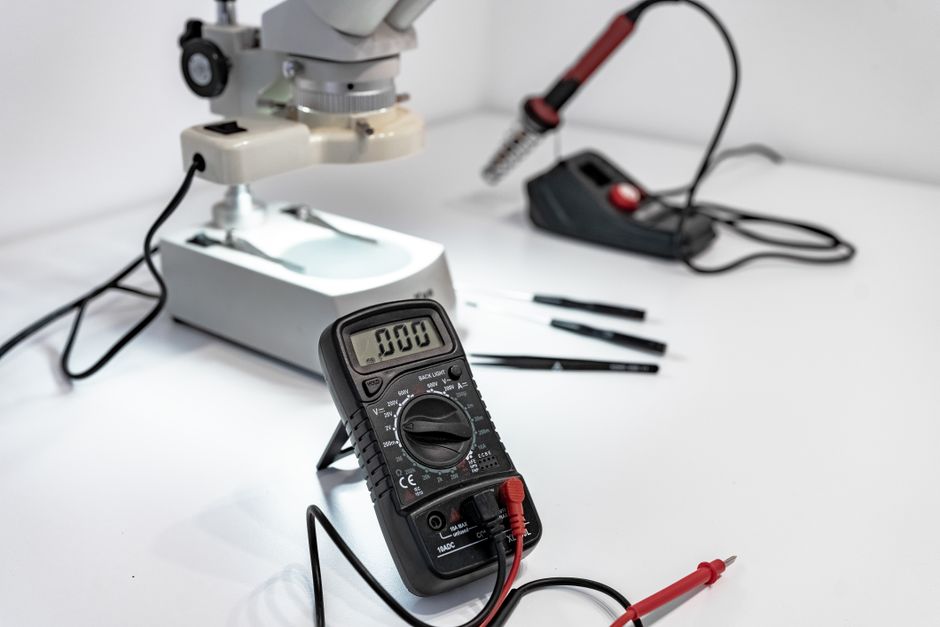
Electrical test meters are indispensable tools for anyone working with electricity, from professional electricians to DIY enthusiasts. They help diagnose issues, ensure safety, and verify that electrical systems are functioning correctly. With so many types available, choosing the right one can be overwhelming. This buyer's guide will walk you through the most common types of electrical test meters, their applications, and key features to consider, so you can make an informed decision.
Why You Need an Electrical Test Meter
Electrical test meters are not just for troubleshooting; they are critical for safety. They can detect live wires, measure voltage, current, and resistance, and identify faults before they become hazards. Whether you're a homeowner, an apprentice, or a seasoned professional, having the right meter can save time, money, and potentially your life.
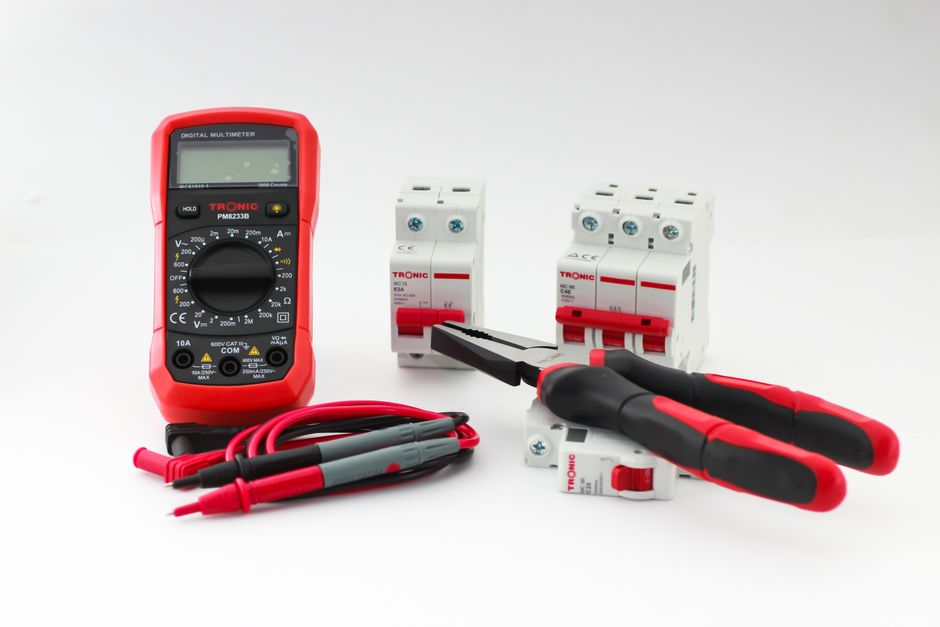
Types of Electrical Test Meters
1. Digital Multimeters (DMMs)
Digital multimeters are the most versatile and widely used electrical test meters. They measure voltage (AC and DC), current, resistance, and often continuity, capacitance, frequency, and temperature. Modern DMMs come with features like auto-ranging, data hold, and backlit displays.
- Best for: General electrical testing, troubleshooting, and DIY projects.
- Key specs: Accuracy, resolution, safety rating (CAT III/IV), true RMS.
- Price range: $20 to $500+ depending on features and brand.
2. Clamp Meters
Clamp meters measure current without breaking the circuit. They have a jaw that clamps around a conductor and senses the magnetic field. Many clamp meters also include multimeter functions. They are ideal for measuring high currents safely.
- Best for: Electrical maintenance, HVAC, industrial applications.
- Key specs: AC/DC current, jaw size, true RMS, CAT rating.
- Price range: $50 to $400.
3. Voltage Testers
Voltage testers are simple devices that indicate the presence of voltage. They come in two main types: non-contact voltage testers (NCVT) and contact testers. NCVTs are pen-shaped and beep or light up when near live wires, making them excellent for quick safety checks.
- Best for: Safety checks, identifying live wires.
- Key specs: Voltage range, CAT rating, IP rating.
- Price range: $10 to $100.
4. Insulation Resistance Testers (Megohmmeters)
These meters apply a high DC voltage to measure insulation resistance, helping detect degradation, moisture, or damage in cables and motors. They are essential for preventive maintenance.
- Best for: Motor testing, cable insulation, transformers.
- Key specs: Test voltage (500V, 1000V, etc.), resistance range, PI/DAR ratios.
- Price range: $200 to $2000+.
5. Earth Ground Resistance Testers
These testers measure the resistance of grounding systems, which is crucial for safety and proper operation of electrical equipment. They use fall-of-potential or clamp-on methods.
- Best for: Grounding system installation and maintenance.
- Key specs: Resistance range, test current, accuracy.
- Price range: $300 to $3000.
6. Power Quality Analyzers
Power quality analyzers monitor and record various parameters like voltage, current, harmonics, and transients. They help diagnose issues that affect equipment performance and energy efficiency.
- Best for: Industrial troubleshooting, energy audits.
- Key specs: Harmonics analysis, logging, CAT rating.
- Price range: $500 to $5000+.
7. Multifunction Testers
Also known as installation testers, these are designed for verifying electrical installations. They perform continuity, insulation resistance, loop impedance, RCD trip time, and more. They are essential for compliance with electrical codes.
- Best for: Electricians, installation verification.
- Key specs: Test functions, memory, Bluetooth.
- Price range: $500 to $2000.
Key Factors to Consider When Buying
| Factor | Considerations |
|---|---|
| Safety Rating | CAT III or CAT IV for industrial work; CAT II for household. |
| Accuracy | Look for true RMS and basic DC accuracy (e.g., ±0.5%). |
| Durability | IP rating, drop protection, and build quality. |
| Ease of Use | Auto-ranging, backlit display, intuitive controls. |
| Additional Features | Data logging, Bluetooth, temperature, capacitance. |
| Budget | Balance features with price; don't compromise on safety. |
Practical Tips for Using Electrical Test Meters
- Always check the CAT rating: Ensure the meter is rated for the environment you'll be working in.
- Inspect test leads: Damaged leads can give false readings and pose a shock hazard.
- Start with the highest range: If using a manual-ranging meter, start high and work down to avoid damage.
- Verify the meter on a known source: Before and after testing, check the meter on a known live circuit to ensure it's working.
- Follow lockout/tagout procedures: Never work on live circuits unless absolutely necessary and you're properly trained.
Conclusion
Choosing the right electrical test meter depends on your specific needs, whether you're a homeowner fixing a light switch or a professional maintaining industrial equipment. Digital multimeters are a great starting point for most users, while specialized meters like clamp meters, insulation testers, and power quality analyzers serve niche applications. Always prioritize safety, accuracy, and durability. With this guide, you're now equipped to select the best meter for your toolbox.
Instruments in scope
Browse all Models frequently quoted with this programme
Keep reading
Other supply programmes
Types of Electrical Test Meters: Buyer's Guide Discover the different types of electrical test meters and how to choose the right one. Complete buyer‘s guide with features, tips, and comparisons. View solution How to Use an Oscilloscope: Beginner's Complete Guide Learn how to use an oscilloscope with this beginner‘s guide. Master controls, probes, triggering, and measurements. Start measuring like a pro today! View solution 10 Best Testing Instruments for Electrical Engineers 2025 Discover the 10 best testing instruments for electrical engineers in 2025. Compare multimeters, insulation testers, thermal cameras, and more. Upgrade your toolkit today! View solution How to Calibrate a Digital Multimeter: Step-by-Step Learn how to calibrate a digital multimeter step by step. Covers equipment, DC/AC voltage, resistance, current, tolerance checks, and documentation. Start now! View solution
Start a programme like this
Send the channel you sell into, the measurement jobs you cover and your annual volume.