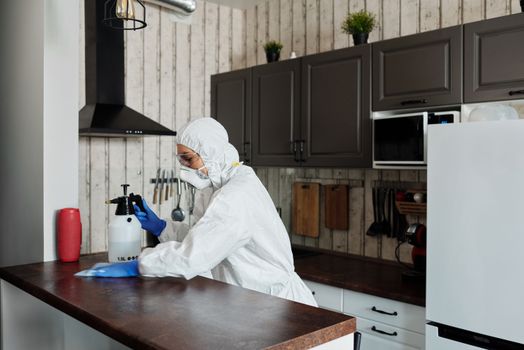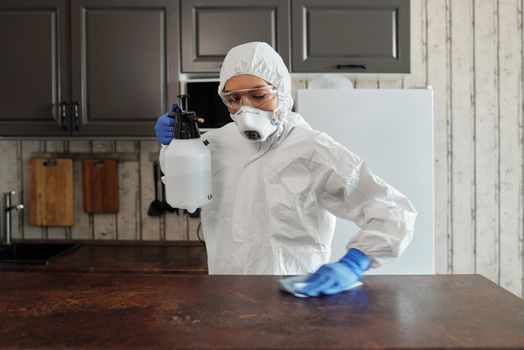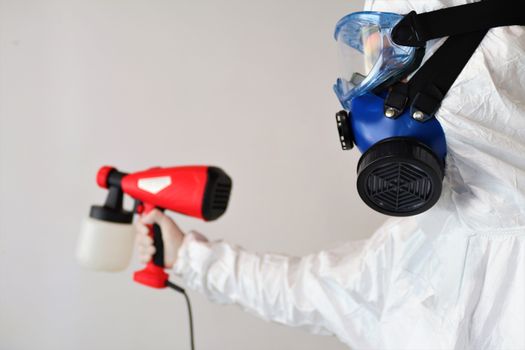
In the competitive world of disinfection, real-world results speak louder than promises. Across industries—from healthcare to food processing—companies are achieving remarkable outcomes by implementing advanced disinfectant solutions. These case studies reveal how strategic disinfection can reduce infections, improve compliance, and boost operational efficiency. Below, we explore seven success stories that demonstrate the transformative power of effective disinfection protocols.
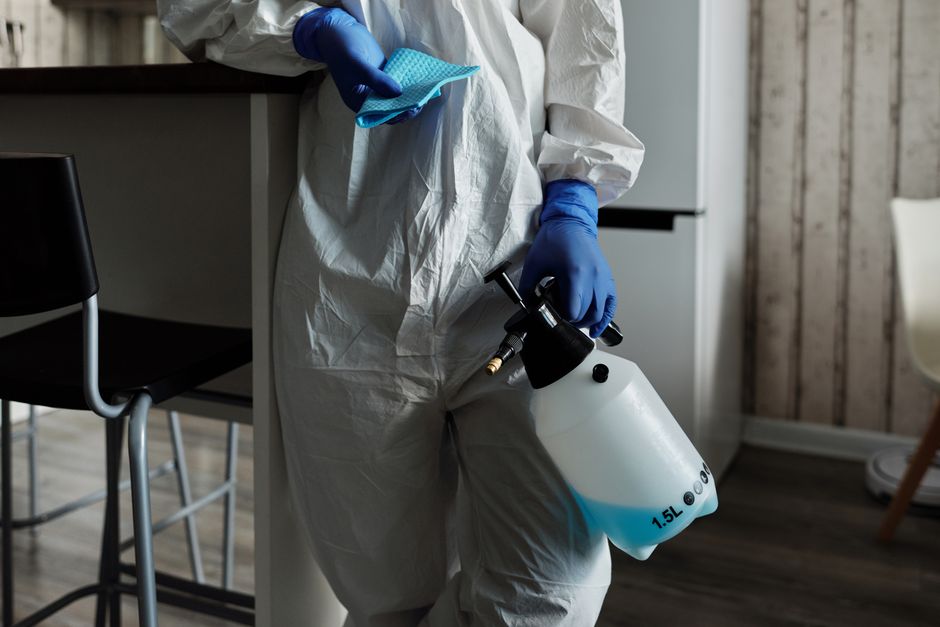
1. Healthcare: Reducing Hospital-Acquired Infections by 45%
St. Mary's Regional Medical Center faced a persistent problem: high rates of hospital-acquired infections (HAIs), particularly MRSA and C. difficile. After implementing a comprehensive disinfection program using EPA-registered hydrogen peroxide-based disinfectants, they achieved a 45% reduction in HAIs within 12 months.
The key was a multi-pronged approach: enhanced terminal cleaning, UV-C disinfection for high-touch surfaces, and staff training on dwell times. The hospital also switched to disposable wipes for critical equipment, eliminating cross-contamination. The result? Not only fewer infections but also significant cost savings—an estimated $1.2 million annually in avoided treatment costs.
This case highlights how choosing the right disinfectant and ensuring proper application can directly impact patient safety and the bottom line.
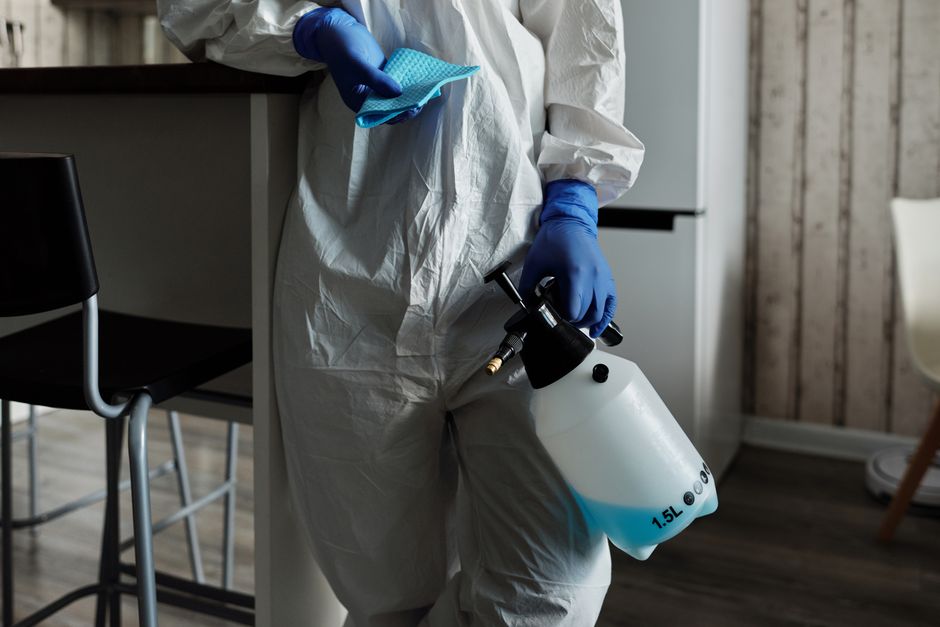
2. Food Processing: Eliminating Listeria Outbreaks with Fogging
A large ready-to-eat meat processing plant struggled with recurrent Listeria monocytogenes contamination, leading to product recalls and regulatory scrutiny. Traditional spray-and-wipe methods left hidden niches untreated. The company adopted a fogging system using a quaternary ammonium disinfectant, which penetrates hard-to-reach areas like conveyor belts and drains.
After three months, environmental monitoring showed zero Listeria positives for 12 consecutive weeks. The fogging protocol, combined with rigorous sanitation standard operating procedures (SSOPs), not only resolved the contamination but also improved overall plant hygiene. The company avoided potential recall costs exceeding $5 million and restored consumer trust.
This success story underscores the importance of matching disinfection technology to the specific challenges of food processing environments.
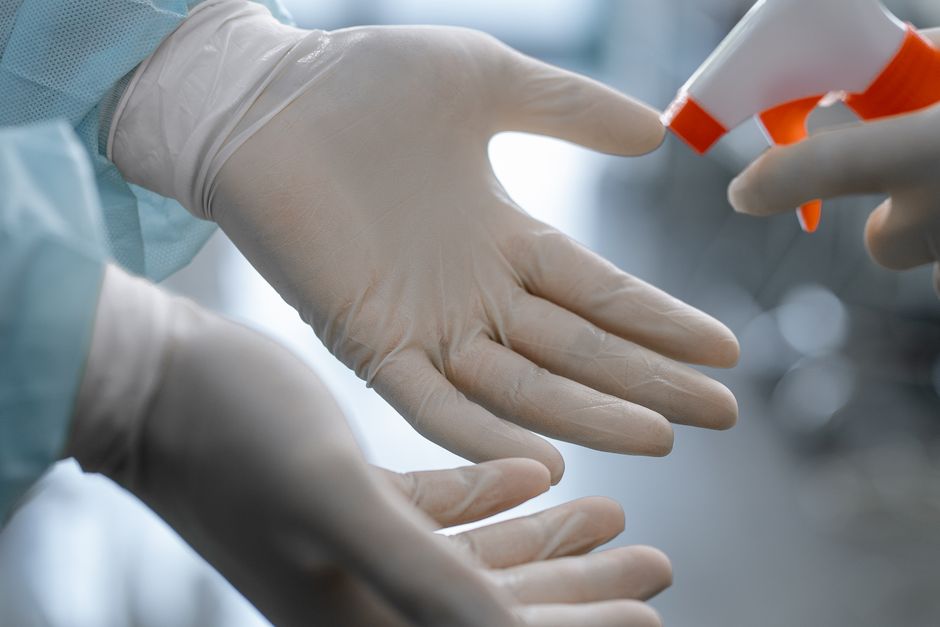
3. Hospitality: Boosting Guest Confidence Post-Pandemic
The Grand Vista Hotel chain saw occupancy plummet during the pandemic. To win back guests, they partnered with a commercial disinfection company to implement a 360-degree cleanliness program. They used electrostatic sprayers with a hospital-grade disinfectant that kills 99.9% of viruses and bacteria in 60 seconds.
Each room received a visible seal indicating it had been disinfected, and high-touch areas were treated twice daily. Guest surveys showed a 30% increase in satisfaction scores related to cleanliness, and occupancy rebounded to 85% within six months—outperforming competitors by 20%.
The hotel's investment in disinfection not only protected health but also became a marketing asset, proving that visible cleanliness drives revenue.
4. Education: Safeguarding Schools with Daily Disinfection
An urban school district with 50,000 students faced high absenteeism due to influenza and norovirus outbreaks. They implemented a daily disinfection routine using EPA List N disinfectants, focusing on classrooms, cafeterias, and restrooms. Custodial staff were trained on proper dilution and contact time.
Within one flu season, absenteeism dropped by 25%, and norovirus outbreaks decreased by 60%. The district saved over $500,000 in substitute teacher costs and lost state funding due to improved attendance.
This case demonstrates that consistent disinfection in schools is not just a health measure but an educational investment.
5. Transportation: Keeping Buses and Trains Clean and Safe
Metro Transit Authority in a major city needed to protect millions of daily riders. They deployed a fleet-wide disinfection program using long-lasting antimicrobial coatings combined with nightly electrostatic spraying. The coating provided continuous protection between cleanings, reducing labor costs by 30%.
Air quality sensors and surface swab tests confirmed a 99% reduction in microbial load. Rider surveys indicated a 40% increase in perceived safety, and ridership recovered faster than in peer cities.
By integrating innovative disinfectants with smart technology, the transit authority set a new standard for public transportation hygiene.
6. Office Spaces: Enhancing Employee Health and Productivity
A tech company with 2,000 employees in an open-plan office struggled with frequent sick days and low morale. They introduced a comprehensive disinfection protocol: touchless hand sanitizer stations, daily disinfection of shared equipment, and weekly fogging of common areas using a skin-safe, food-grade disinfectant.
Within six months, sick days decreased by 35%, and employee satisfaction scores rose by 22%. The company also saw a 15% increase in productivity, attributing it to a healthier workforce.
This case proves that investing in office disinfection yields tangible returns in human capital.
7. Retail: Protecting Customers and Staff During Peak Seasons
A national retail chain with 500 stores faced challenges during holiday seasons when crowds surged. They implemented a rapid-response disinfection team that used portable electrostatic sprayers to disinfect high-touch areas every two hours. They also installed air purification systems with HEPA filters and UV-C light.
Customer complaints about cleanliness dropped by 70%, and employee absenteeism fell by 20%. The chain reported a 10% increase in sales during the peak season compared to the previous year, as shoppers felt safer.
This success story highlights how proactive disinfection can be a competitive differentiator in retail.
Key Takeaways from These Case Studies
Across all these examples, several common threads emerge: the importance of selecting the right disinfectant for the target pathogens, proper training on application and contact time, and the use of technology to enhance efficacy. Moreover, these organizations didn't just improve health outcomes—they realized financial benefits through reduced absenteeism, avoided recalls, and increased customer loyalty.
Whether you're in healthcare, food service, education, or any other industry, the lesson is clear: investing in a robust disinfection strategy is not an expense but an investment in resilience and reputation.
| Industry | Key Disinfectant Used | Result |
|---|---|---|
| Healthcare | Hydrogen peroxide | 45% reduction in HAIs |
| Food Processing | Quaternary ammonium | Zero Listeria positives |
| Hospitality | Electrostatic spray | 30% increase in guest satisfaction |
| Education | EPA List N | 25% drop in absenteeism |
| Transportation | Antimicrobial coating | 99% microbial reduction |
These real-world success stories demonstrate that with the right disinfectant and protocol, any organization can achieve a safer, healthier environment. Is your company ready to write its own success story?