What is the difference between a disinfectant and a sanitizer?
The main difference lies in their intended use and the level of microbial reduction they achieve. Disinfectants are chemicals that destroy or irreversibly inactivate many or all pathogenic microorganisms on inanimate objects and surfaces, except bacterial spores. Sanitizers, on the other hand, are substances that reduce the number of bacteria on surfaces or objects to a safe level, as judged by public health requirements, but they do not necessarily eliminate all pathogens.
In practical terms, disinfectants are typically used in healthcare settings, laboratories, and other environments where the risk of infection is high. Sanitizers are more commonly used in food service, childcare, and residential settings where the goal is to maintain hygiene and prevent the spread of germs, but not to achieve sterility. The EPA regulates both as antimicrobial pesticides, but they are tested and registered under different protocols.
Understanding this distinction is crucial for choosing the right product for your needs. Using a sanitizer where a disinfectant is required may not provide adequate protection against harmful pathogens, while using a disinfectant where a sanitizer suffices may be unnecessary and potentially harsh on surfaces.
When should I use a disinfectant instead of a sanitizer?
You should use a disinfectant when you need to eliminate a wide range of pathogens, especially in situations where there is a known or suspected outbreak of infectious disease. For example, after someone in your household has been sick with a virus like norovirus or influenza, disinfecting high-touch surfaces is recommended to prevent others from getting infected. Disinfectants are also essential in healthcare facilities, where they are used to clean operating rooms, patient rooms, and medical equipment.
In contrast, sanitizers are sufficient for routine cleaning in settings like kitchens, bathrooms, and schools, where the goal is to reduce the overall microbial load to a safe level. The CDC recommends sanitizing food contact surfaces after cleaning, but disinfecting them if there has been a foodborne illness outbreak. Always follow the product label instructions for contact time and appropriate use.
Another consideration is the surface material. Some disinfectants can be corrosive or damaging to certain materials, so you may need to use a sanitizer instead. Always test on a small area first and read the label for compatibility.
Are disinfectants and sanitizers regulated differently?
Yes, in the United States, both disinfectants and sanitizers are regulated by the Environmental Protection Agency (EPA) under the Federal Insecticide, Fungicide, and Rodenticide Act (FIFRA). However, they are classified differently based on the claims they can make and the testing required for registration. Disinfectants must pass efficacy tests against specific microorganisms, such as Salmonella, Staphylococcus, and Pseudomonas, and often require a higher level of proof for their claims.
Sanitizers, on the other hand, are tested for their ability to reduce bacteria by a certain percentage (typically 99.9% or 99.999%) within a specified contact time. They are not required to demonstrate elimination of all pathogens. The EPA also regulates sanitizers used on food contact surfaces under a separate category, requiring them to be safe for such use.
It's important to note that some products can be both a disinfectant and a sanitizer, depending on the dilution and contact time. For example, a concentrated bleach solution can be used as a disinfectant at a higher concentration and as a sanitizer at a lower concentration. Always check the product label for specific instructions.
Can I use a sanitizer as a disinfectant?
No, you should not use a sanitizer as a disinfectant. Sanitizers are not designed to kill all pathogens; they only reduce the number of bacteria to a level considered safe by public health standards. If you use a sanitizer in a situation that requires disinfection, you may leave harmful viruses, fungi, or other bacteria on the surface, putting yourself and others at risk.
For example, if you are cleaning up after a sick person, using a sanitizer may not be enough to kill norovirus or Clostridium difficile, which are resistant to many sanitizers. In such cases, you need a disinfectant that is proven effective against those specific pathogens. Always follow the instructions on the product label and use the product only for its intended purpose.
If you are unsure whether a situation requires disinfection or sanitization, err on the side of caution and use a disinfectant, provided it is safe for the surface. Remember that disinfectants often require a longer contact time (dwell time) to be effective, so you must keep the surface wet for the specified duration.
What are the different types of disinfectants and sanitizers?
There are many types of disinfectants and sanitizers, each with its own active ingredients, spectrum of activity, and safety profile. Common disinfectants include:
- Chlorine-based disinfectants (e.g., bleach): Effective against a wide range of pathogens, but can be corrosive and irritating.
- Quaternary ammonium compounds (quats): Often used in sanitizers and some disinfectants; effective against bacteria and some viruses, but not spores.
- Hydrogen peroxide: A broad-spectrum disinfectant that breaks down into water and oxygen, making it environmentally friendly.
- Alcohols (e.g., ethanol, isopropanol): Effective against many bacteria and viruses, but not spores; commonly used in hand sanitizers and surface wipes.
- Phenolics: Effective against a wide range of pathogens, but can be toxic to some surfaces and have a strong odor.
Sanitizers often use quats, alcohol, or chlorine at lower concentrations. Some sanitizers are designed for food contact surfaces and must be rinsed or allowed to air dry. Always read the label to understand the active ingredients and their intended use.
When choosing a product, consider the target pathogens, surface compatibility, contact time, and safety for the user and the environment. No single product is best for all situations.
How do contact time and concentration affect effectiveness?
Contact time, also known as dwell time, is the amount of time the disinfectant or sanitizer must remain wet on the surface to achieve the desired kill. This is critical: if you wipe the surface dry immediately, you may not achieve disinfection or sanitization. Most disinfectants require a contact time of 1 to 10 minutes, while sanitizers may require 30 seconds to 1 minute.
Concentration is equally important. Using a product at a lower concentration than recommended can render it ineffective, while using it at a higher concentration can be wasteful, corrosive, or toxic. Always measure and dilute according to the label instructions. For example, bleach is often diluted to 1:10 for disinfection and 1:100 for sanitization.
Factors such as temperature, pH, and the presence of organic matter (e.g., dirt, blood) can also affect efficacy. Pre-cleaning surfaces is essential because organic matter can inactivate many disinfectants. The EPA provides a list of registered products and their specific contact times and concentrations.
Are there any health or environmental concerns with disinfectants and sanitizers?
Yes, both disinfectants and sanitizers can pose health and environmental risks if not used properly. Disinfectants are generally more potent and can cause skin irritation, respiratory issues, and eye damage. They can also be harmful if ingested or inhaled. Sanitizers are typically milder but can still cause irritation with repeated exposure.
From an environmental perspective, many disinfectants contain chemicals that can persist in water and harm aquatic life. For example, quaternary ammonium compounds are known to be toxic to fish and other organisms. Chlorine-based disinfectants can form harmful byproducts like trihalomethanes when they react with organic matter.
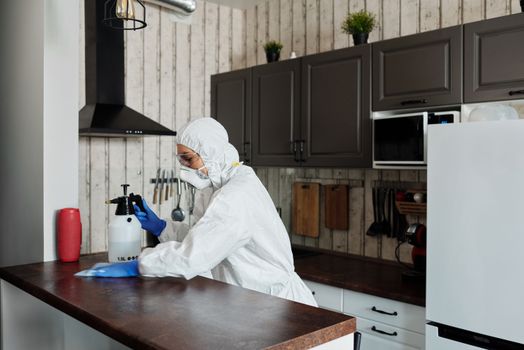
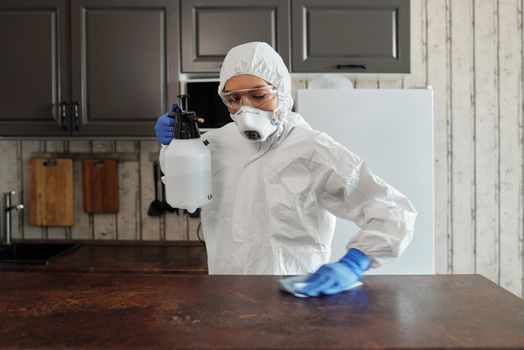
To minimize risks, use the least hazardous product that is effective for your needs, follow the label instructions, wear appropriate personal protective equipment (PPE), and ensure proper ventilation. Never mix chemicals, as this can produce toxic gases. Store products safely out of reach of children and pets.
What does the future hold for disinfectants and sanitizers?
The demand for effective and safe disinfectants and sanitizers has surged due to the COVID-19 pandemic. This has spurred innovation in formulations that are both effective and environmentally friendly, such as those based on hydrogen peroxide, citric acid, and other biodegradable ingredients. There is also growing interest in persistent antimicrobial coatings that can continuously kill pathogens on surfaces.
Regulatory agencies are also evolving their guidelines to keep pace with new science. For instance, the EPA has been expediting reviews of products that claim to be effective against SARS-CoV-2. Consumers are becoming more informed and demanding transparency about ingredients and efficacy.
In the future, we may see more targeted products that are tailored to specific pathogens or settings, as well as smarter delivery systems like electrostatic sprayers. However, the fundamental difference between disinfectants and sanitizers will remain: disinfectants kill a broader range of pathogens, while sanitizers reduce microbial load to a safe level.
Frequently Asked Questions (FAQs)
Can I make my own disinfectant or sanitizer at home?
Yes, you can make your own using household ingredients like bleach or alcohol, but you must follow reliable recipes and safety guidelines. For disinfection, a solution of 1/3 cup of bleach per gallon of water is effective for many surfaces. For sanitizing, a weaker solution (1 tablespoon per gallon) can be used. However, homemade solutions may not be as stable or effective as commercial products, and incorrect dilution can be dangerous. Always check with authoritative sources like the CDC or EPA.
Are natural or "green" disinfectants as effective?
Some natural ingredients, such as hydrogen peroxide, citric acid, and certain essential oils, have antimicrobial properties. However, their efficacy can vary, and they may not be registered with the EPA for specific claims. If you choose a natural product, ensure it has been tested and proven effective against the pathogens you are targeting. Look for products with EPA registration numbers to ensure they meet efficacy standards.
How should I store disinfectants and sanitizers?
Store them in their original containers, tightly closed, in a cool, dry place away from direct sunlight and heat sources. Keep them out of reach of children and pets. Never transfer them to food or beverage containers, as this can lead to accidental poisoning. Check expiration dates and dispose of expired products properly.
What should I do if I accidentally mix disinfectants?
If you accidentally mix bleach with ammonia or vinegar, you can produce toxic gases. If this happens, leave the area immediately, ventilate the space by opening windows and doors, and seek fresh air. If you experience symptoms like coughing, wheezing, or shortness of breath, seek medical attention. Always read labels to avoid dangerous combinations.
Do I need to rinse after using a disinfectant or sanitizer?
It depends on the product and its intended use. Some disinfectants and sanitizers are designed to be no-rinse, especially those used on food contact surfaces. Others may require rinsing with potable water after the contact time, especially if they are used on surfaces where food is prepared. Always follow the label instructions to ensure safety and efficacy.