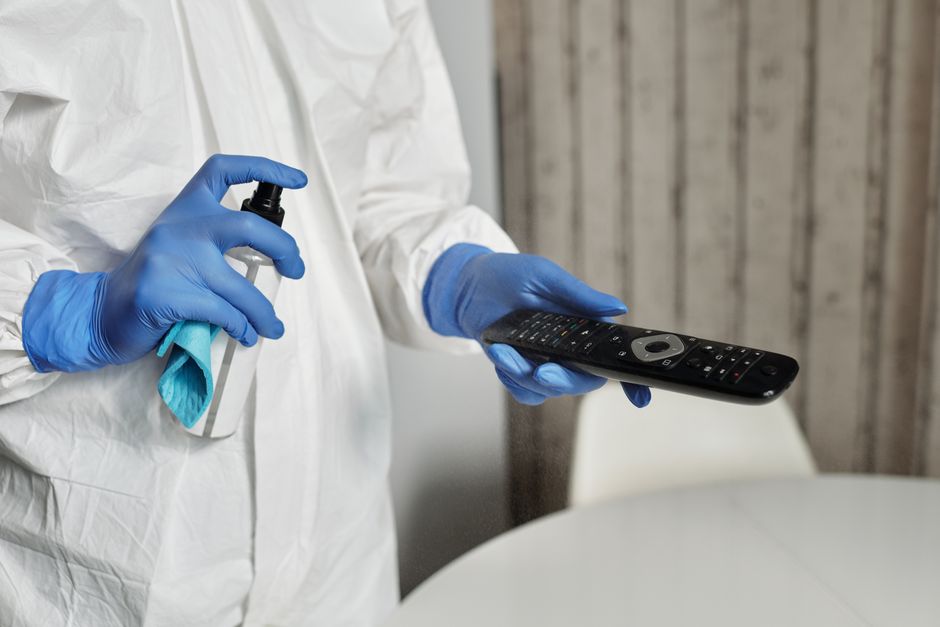
Disinfectant Cost Comparison for Businesses: Save Money
Disinfecting your facility isn't optional anymore—customers, employees, and regulators all expect it. But the cost of disinfectants can quietly eat into your operating budget if you don't compare your options. This guide breaks down the real costs of the most common disinfectant categories, from ready-to-use sprays to concentrated chemicals and professional services, so you can make a data-driven decision and keep more money in your business.
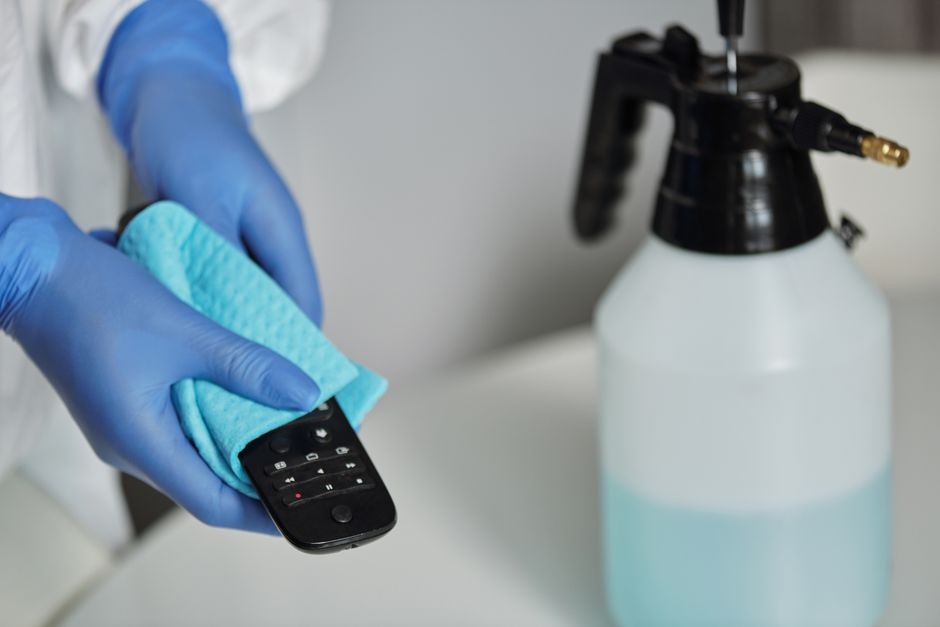
Why Disinfectant Costs Vary So Much
Two businesses can spend wildly different amounts on disinfection while achieving similar results. The gap usually comes down to four factors:
- Form: Ready-to-use (RTU) products cost more per use than concentrates you dilute yourself.
- Volume: Bulk purchasing and refill programs lower unit costs significantly.
- Labor: The time employees spend mixing, applying, and waiting for dwell time is a real expense.
- Equipment: Sprayers, foggers, and electrostatic applicators add upfront costs but can cut chemical and labor use.
When you compare disinfectants, look at cost per disinfected square foot, not just the sticker price per bottle. That single metric levels the playing field.
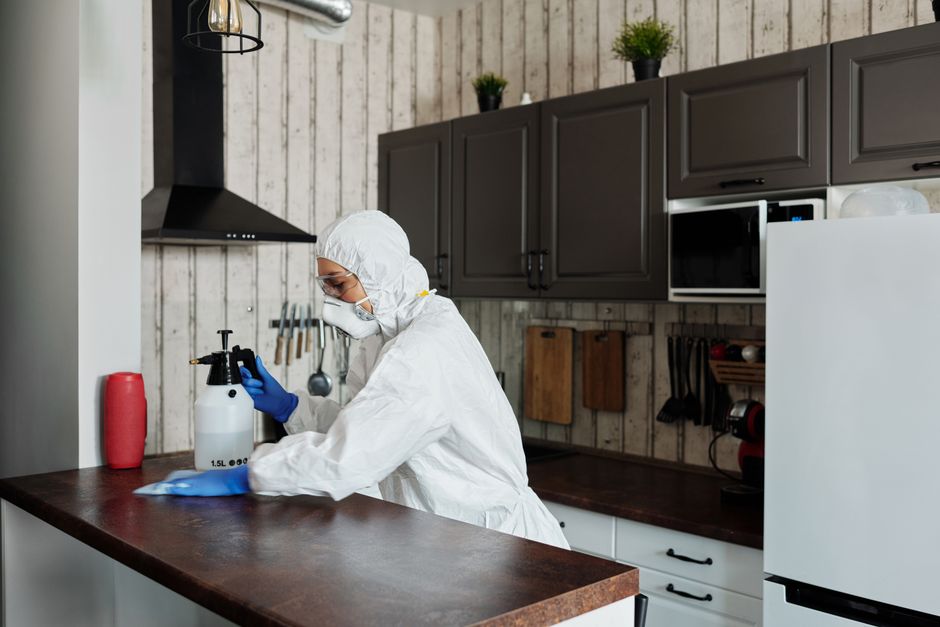
Disinfectant Options Compared
Below is a side-by-side comparison of the most popular disinfectant formats for commercial use. Prices are typical U.S. ranges as of 2024 and will vary by supplier and region.
| Option | Typical Upfront Cost | Cost per Use | Labor Required | Best For |
|---|---|---|---|---|
| Ready-to-Use (RTU) Spray | $4–$10 per 32 oz bottle | High ($0.12–$0.30 per oz) | Low | Small offices, quick touch-ups |
| Concentrated Liquid | $20–$60 per gallon | Low ($0.01–$0.05 per oz diluted) | Medium (mixing required) | Schools, gyms, warehouses |
| Disinfectant Wipes | $8–$20 per canister | Very High | Low | High-touch points, clinics |
| Electrostatic Sprayer + Solution | $300–$1,500 for equipment | Low–Medium | Low–Medium | Large open spaces, transit |
| Professional Disinfection Service | $0 equipment | $0.10–$0.50 per sq ft per visit | None (outsourced) | Post-outbreak, compliance-driven sites |
| UV-C Disinfection Devices | $200–$2,000+ per unit | Very Low after purchase | Low | Repeatable, chemical-free areas |
Breaking Down the Real Numbers
Ready-to-Use vs. Concentrates
RTU products are convenient, but you're paying to ship water. A gallon of concentrate diluted at 1:64 makes 65 gallons of usable solution. If a gallon of concentrate costs $40 and a gallon of RTU costs $15, the concentrate delivers the same result for roughly $0.62 per gallon—about 96% cheaper per gallon. For a 10,000 sq ft facility disinfected daily, that difference can exceed $5,000 per year.
Wipes: Convenient but Costly
Wipes are excellent for keyboards, door handles, and shared equipment. But at $0.05–$0.10 per wipe, a busy office can burn through hundreds per week. Reserve wipes for high-touch items and use sprays or concentrates for broad surfaces.
Equipment Investments Pay Off
An electrostatic sprayer costs $300–$1,500 upfront, but it applies disinfectant up to 70% faster than manual wiping and uses less solution because of better coverage. Most facilities recoup the cost within 6–12 months through labor and chemical savings.
When to Outsource
Professional services eliminate equipment and training costs but charge per square foot, per visit. For a 20,000 sq ft facility at $0.20 per sq ft weekly, that's $4,000 per week—far more than an in-house program. Outsourcing makes sense for one-time deep cleans or specialized outbreaks, not routine daily disinfection.
Hidden Costs to Watch
- Dwell time: Many disinfectants need 5–10 minutes of wet contact. Faster-acting products reduce labor.
- PPE and training: Concentrates and foggers require safety gear and staff training.
- Surface damage: Harsh chemicals can degrade equipment, adding replacement costs.
- Storage and shelf life: Bulk concentrates expire; buy only what you'll use within the shelf life.
Our Recommendation
For most small and mid-sized businesses, the sweet spot is a concentrated disinfectant paired with an electrostatic or pump sprayer. You get the lowest cost per square foot, faster application, and full control over your schedule. Keep RTU sprays and wipes on hand only for spot treatments and high-touch items.
If you operate a healthcare, food service, or childcare facility with strict compliance requirements, consider a hybrid approach: in-house daily disinfection with concentrates, plus a quarterly professional deep clean for documentation and peace of mind.
Quick action plan:
- Calculate your current cost per disinfected square foot.
- Request bulk pricing quotes from at least three concentrate suppliers.
- Pilot a concentrate + sprayer program in one zone for 30 days.
- Compare labor hours and chemical spend before scaling up.
Switching from RTU to concentrates is the single fastest way most businesses cut disinfectant spending by 50–90% without sacrificing effectiveness. Run the numbers for your facility—your budget will thank you.