How Often Should You Disinfect Your Workplace? Expert Advice
Keeping a workplace clean is no longer just about appearances — it is a core part of protecting employee health, reducing sick days, and maintaining business continuity. But how often should you actually disinfect your workplace? The answer depends on your industry, occupancy, and the surfaces in question. This FAQ-style guide distills expert advice into practical answers you can apply today.
1. What is the difference between cleaning and disinfecting?
Cleaning removes dirt, dust, and organic matter from surfaces using soap or detergent and water. Disinfecting kills or inactivates pathogens such as bacteria and viruses on those surfaces. Cleaning first matters because disinfectants work poorly when grime, grease, or biofilm are present — they cannot reach the microbes underneath.
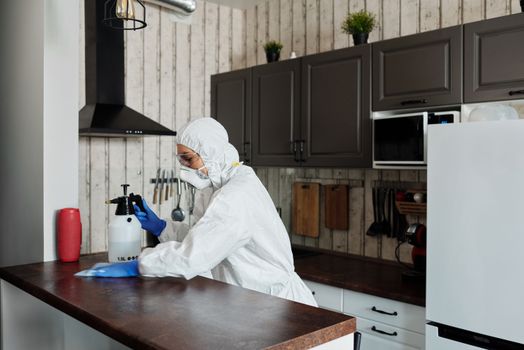
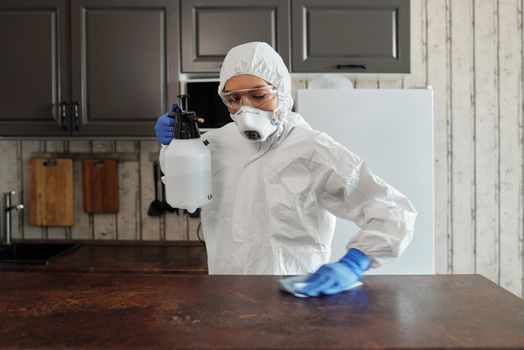
Experts recommend a two-step approach: clean the surface, then apply an EPA- or EN-registered disinfectant and allow it to remain wet for the product's stated contact time. Skipping the cleaning step or wiping the disinfectant away too quickly is one of the most common mistakes in workplace hygiene programs.
2. How often should high-touch surfaces be disinfected?
High-touch surfaces should be disinfected at least once or twice per day in a standard office, and more often in high-traffic settings. These include door handles, light switches, elevator buttons, shared keyboards, printers, handrails, and kitchen appliances.
In healthcare facilities, schools, gyms, and call centers, experts often recommend disinfecting high-touch points every two to four hours during operating hours. During cold and flu season or a known outbreak, increase frequency and consider assigning a staff member to a documented disinfection schedule.
3. How often should low-touch surfaces and floors be disinfected?
Low-touch surfaces such as walls, ceilings, and window ledges generally need routine cleaning rather than frequent disinfection. Floors should be cleaned daily in most workplaces, with disinfection reserved for areas where bodily fluids, spills, or confirmed contamination occur.
Over-disinfecting low-risk surfaces wastes money and can contribute to antimicrobial resistance and surface damage. A risk-based approach — focusing effort where transmission actually happens — is more effective and more sustainable.
4. Does workplace size and occupancy change the disinfection schedule?
Yes. Occupancy is one of the strongest predictors of how quickly surfaces become contaminated. A small office with five people may need only daily high-touch disinfection, while an open-plan floor with 200 employees, hot-desking, and shared meeting rooms may need multiple daily rounds.
Experts also consider foot traffic, shift patterns, and whether the public enters the space. Retail stores, clinics, and reception areas usually require more frequent disinfection than private back-office areas with limited access.
5. Should you disinfect more often during flu season or an outbreak?
During respiratory virus season, many public health agencies advise increasing disinfection frequency, especially for shared equipment and restrooms. If a confirmed case of influenza, COVID-19, or norovirus occurs in your workplace, disinfect the affected area immediately and again after 24 hours.
Use a product with the correct efficacy claims for the pathogen in question, and follow the contact time precisely. Increasing frequency without improving technique — such as not pre-cleaning — will not deliver the protection you expect.
6. What is the right disinfection routine for shared equipment?
Shared tools, keyboards, mice, phones, and scanners should be disinfected at least once per shift, or between users when possible. Provide disinfecting wipes and hand sanitizer at shared stations so employees can act immediately.
- Turn off and unplug electronics before applying liquid disinfectant.
- Use manufacturer-approved wipes for screens and sensitive devices.
- Allow surfaces to air-dry for the full contact time.
- Log the task if your industry requires compliance records.
For tools that cannot tolerate liquids, consider UV-C cabinets or dedicated wipe-down protocols recommended by the equipment maker.
7. Are there surfaces that should never be disinfected?
Some materials can be damaged by harsh disinfectants. Porous surfaces like untreated wood, fabric chairs, and certain specialty finishes may degrade with repeated chemical exposure. In these cases, cleaning with soap and water or using a manufacturer-approved method is safer.
Food-contact surfaces also require food-safe products and a potable-water rinse where directed by the label. Always check the disinfectant's compatibility statement before using it broadly across a facility.
8. How do you know if your disinfection frequency is working?
Experts recommend measuring outcomes, not just effort. Track sick leave trends, conduct ATP swab tests on high-touch surfaces, or use fluorescent marker audits to confirm that cleaning staff reach the surfaces they claim to treat.
Review your schedule quarterly and after any outbreak. If illness rates or contamination readings rise, increase frequency or retrain staff on contact time and technique. A documented, risk-based plan is the most reliable way to protect your workplace.
| Area Type | Recommended Frequency |
|---|---|
| High-touch surfaces (handles, buttons) | 1–2 times daily; every 2–4 hours in high-traffic sites |
| Shared equipment | Per shift or between users |
| Restrooms | At least daily; more in peak use |
| Floors | Daily cleaning; disinfect on contamination |
| Low-touch surfaces | Routine cleaning, disinfection as needed |
Final Expert Takeaway
There is no single universal schedule. The expert consensus is to disinfect high-touch surfaces at least daily, increase to multiple times per day in busy or high-risk environments, and always clean before disinfecting. Match frequency to risk, document your routine, and verify results — that is how you build a workplace that stays healthy and productive.