 English
 简体中文
 Русский
 Español
 Deutsch
Introduction
When it comes to choosing curtains for your home, the options can feel overwhelming. Two of the most popular choices are linen curtains and blackout curtains. Each offers distinct benefits, and the right choice depends on your priorities: natural beauty and breathability versus light control and energy efficiency. In this article, we compare linen and blackout curtains across key factors like material, light blocking, insulation, maintenance, and cost. By the end, you'll have a clear recommendation to guide your decision.
What Are Linen Curtains?
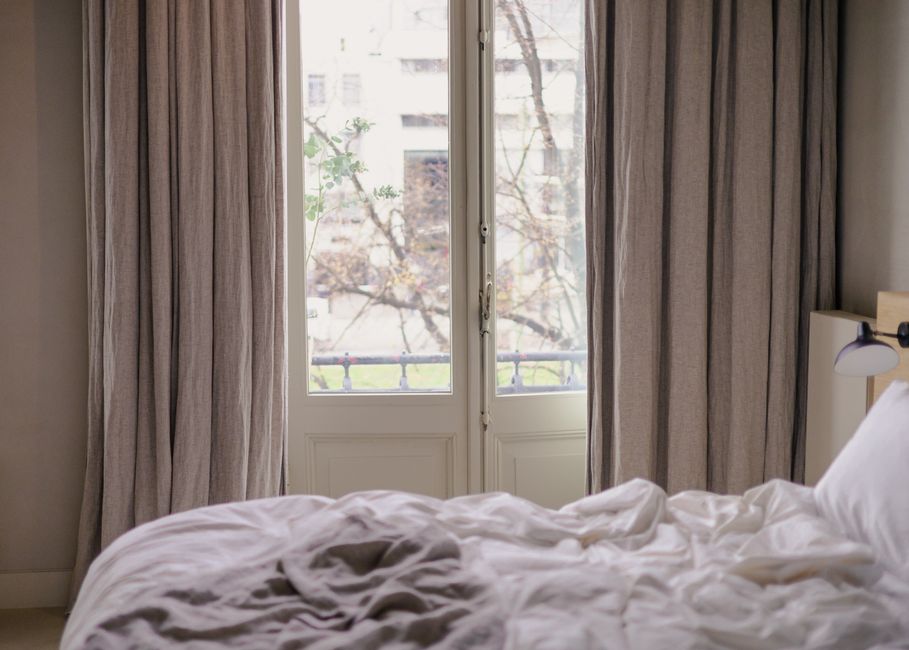
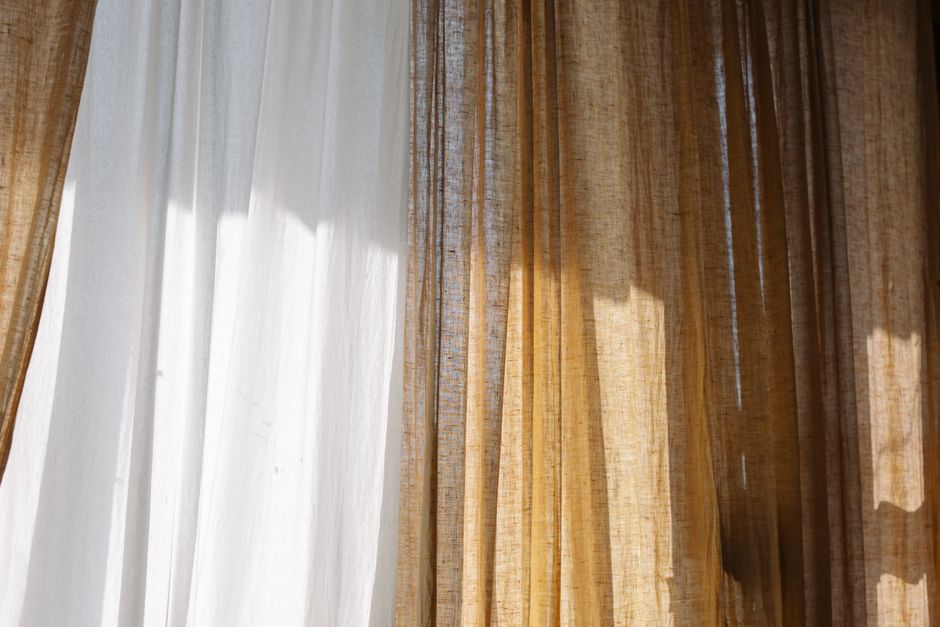
Linen curtains are made from the fibers of the flax plant, making them a natural, sustainable option. They are known for their textured, organic look and soft, casual drape. Linen is breathable and lightweight, allowing air to circulate while filtering light gently. Over time, linen softens with each wash, adding to its relaxed charm. However, linen is prone to wrinkling and may fade in direct sunlight, so it's often blended with synthetic fibers for durability.
What Are Blackout Curtains?
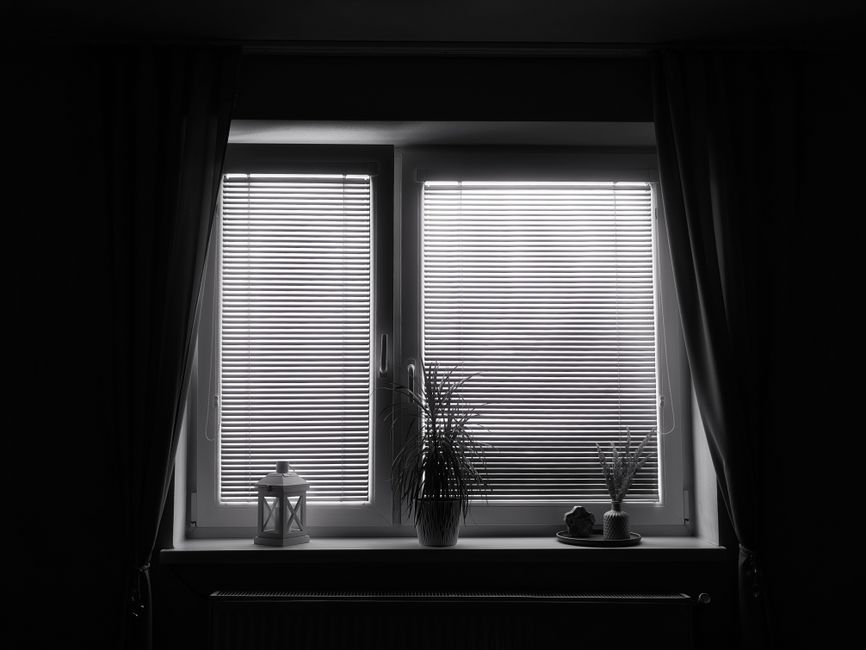
Blackout curtains are designed to block out nearly all light. They are typically made from tightly woven fabrics, often with a special lining or coating, such as acrylic foam or a blackout liner. These curtains are ideal for bedrooms, home theaters, and nurseries where darkness is essential. Beyond light blocking, blackout curtains also offer thermal insulation, helping to keep rooms cooler in summer and warmer in winter. They are usually made from synthetic materials like polyester, which makes them durable and easy to care for.
Comparison Table: Linen vs Blackout Curtains
| Feature | Linen Curtains | Blackout Curtains |
|---|---|---|
| Material | Natural flax fibers (often blended) | Synthetic polyester with blackout lining/coating |
| Light Blocking | Light filtering; semi-sheer to room darkening | Blocks 99%+ of light |
| Insulation | Minimal | Excellent thermal insulation |
| Energy Efficiency | Low | High; reduces heating/cooling costs |
| Noise Reduction | Minimal | Moderate to high |
| Aesthetic | Natural, textured, relaxed elegance | Sleek, uniform, modern |
| Maintenance | Dry clean or gentle wash; wrinkles easily | Machine washable; wrinkle-resistant |
| Durability | Good, but can fade | Excellent; resistant to fading |
| Cost | Moderate to high (pure linen) | Low to moderate |
| Best For | Living rooms, dining rooms, coastal or farmhouse styles | Bedrooms, nurseries, home theaters, shift workers |
Light Control and Privacy
Light control is the most significant difference. Linen curtains are typically semi-sheer or light-filtering, meaning they allow natural light to enter while providing privacy during the day. They create a soft, diffused glow. However, at night, they may not offer complete privacy. Blackout curtains, on the other hand, block virtually all external light, making them perfect for sleeping in or watching movies. They also provide excellent privacy at all hours.
Insulation and Energy Efficiency
If energy efficiency is a priority, blackout curtains win. Their thick, tightly woven fabric and lining act as a barrier against drafts and heat transfer. In summer, they keep rooms cooler by blocking solar heat; in winter, they trap warmth inside. This can lead to noticeable savings on energy bills. Linen curtains offer minimal insulation, though they do allow some airflow, which can be beneficial in mild climates.
Aesthetics and Style
Linen curtains are celebrated for their natural, organic look. They add warmth, texture, and a relaxed elegance to any space. They work beautifully in living rooms, dining areas, and bedrooms with a coastal, farmhouse, or minimalist aesthetic. Blackout curtains tend to have a more uniform, synthetic appearance, but they come in a wide range of colors and patterns. They can be styled to look elegant, especially with a double-layer design (sheer linen on top, blackout lining behind).
Maintenance and Durability
Linen curtains require a bit more care. They wrinkle easily and may need ironing or steaming. Most linen curtains should be dry cleaned or washed gently and hung to dry. They can fade in prolonged direct sunlight. Blackout curtains are generally low-maintenance: most are machine washable and wrinkle-resistant. However, the blackout coating can degrade over time with repeated washing, so always follow care instructions. Blackout curtains are also more resistant to fading.
Cost Considerations
Pure linen curtains can be expensive, especially for large windows. Blended linen options are more affordable. Blackout curtains are generally more budget-friendly, though high-end designer versions can be costly. When comparing costs, consider the long-term savings from energy efficiency that blackout curtains may provide.
Recommendation: Which Should You Choose?
There is no one-size-fits-all answer. Your choice should depend on the room and your lifestyle.
- Choose linen curtains if: You want a natural, airy look, you don't need total darkness, and you value breathability and aesthetic charm. They are ideal for living rooms, dining rooms, and spaces where you want to enjoy natural light.
- Choose blackout curtains if: You need complete light blocking, thermal insulation, and privacy. They are perfect for bedrooms, nurseries, home theaters, and for shift workers who sleep during the day.
For the best of both worlds, consider layering: use linen curtains as a decorative outer layer and blackout curtains as a functional inner layer. This combination gives you style and practicality. Ultimately, assess your needs for light control, energy efficiency, and maintenance, and choose accordingly. Both options can enhance your home when chosen wisely.