
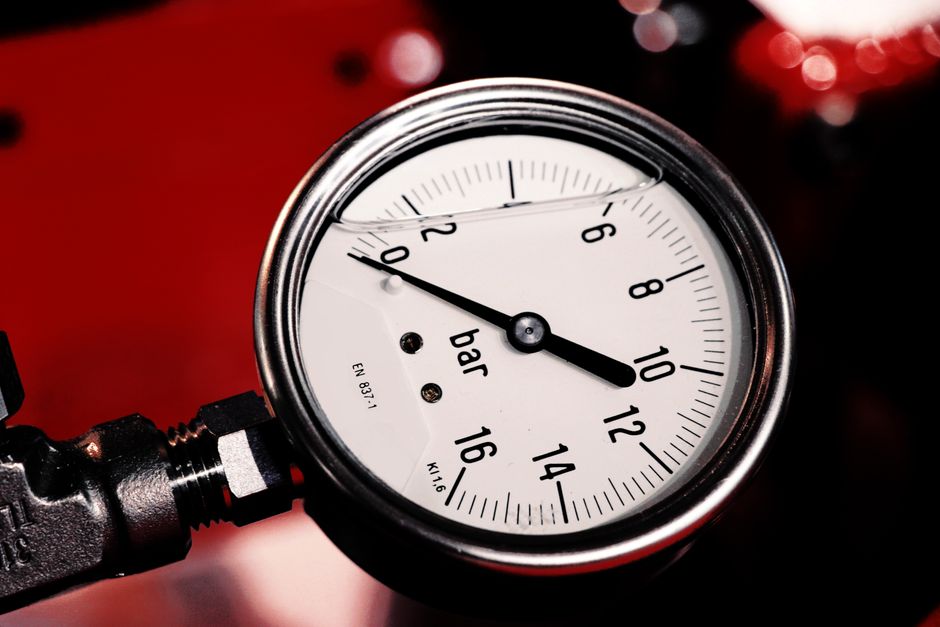
1. Why Is Regular Maintenance Crucial for Flowmeter Longevity?
Flowmeters are precision instruments that measure the flow rate of liquids, gases, or steam in industrial processes. Regular maintenance ensures accuracy, prevents unexpected downtime, and extends the operational life of the equipment. Without proper care, sensors can drift, seals can degrade, and internal components may wear prematurely, leading to costly repairs or replacements.
For B2B manufacturers, a single flowmeter failure can halt production lines, causing significant financial losses. By implementing a routine maintenance schedule, you not only protect your investment but also maintain process efficiency and product quality. Think of maintenance as insurance against unplanned outages.
Moreover, many flowmeter warranties require proof of regular servicing. Neglecting maintenance can void warranty claims, leaving you responsible for full replacement costs. A proactive approach saves money in the long run.
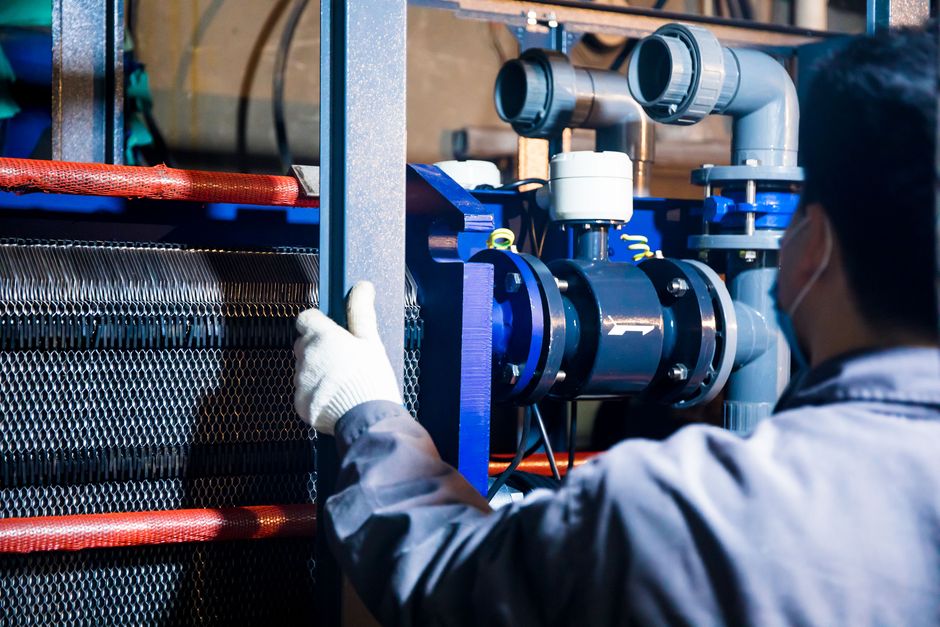
2. How Often Should You Calibrate Your Flowmeter?
Calibration frequency depends on the type of flowmeter, the application criticality, and the manufacturer's recommendations. For general industrial use, an annual calibration is standard. However, if your process involves high temperatures, abrasive fluids, or frequent start-stop cycles, more frequent calibration (e.g., every 6 months) may be necessary.
Some advanced flowmeters have self-diagnostics that alert you when calibration drifts beyond acceptable limits. Use these features to optimize your calibration schedule. Always keep a calibration log to track trends and predict when adjustments will be needed.
Remember, calibration ensures accuracy. Even a 1% error can lead to significant product waste or billing discrepancies in custody transfer applications. Invest in a reliable calibration service or in-house standards to maintain trust with your customers.
3. What Are the Signs That Your Flowmeter Needs Immediate Attention?
Common warning signs include erratic readings, a sudden zero drift, unusual noise or vibration, visible leaks, or error codes on the display. If you notice any of these, stop the process immediately to prevent damage or safety hazards.
Erratic readings often indicate sensor fouling, air bubbles, or electrical interference. A sudden zero drift may point to mechanical wear or contamination. Unusual sounds from a turbine or Coriolis meter suggest bearing failure or internal damage. Leaks around seals or fittings require urgent tightening or replacement.
Don't ignore these signs. Even if the flowmeter still appears to work, underlying issues can worsen over time. Early intervention can often be resolved with cleaning or minor adjustments, avoiding a full replacement.
4. How to Clean Different Types of Flowmeters Safely?
Cleaning methods vary by flowmeter technology. For electromagnetic flowmeters, the liner and electrodes can be gently wiped with a soft cloth and mild detergent, avoiding abrasive materials. For ultrasonic flowmeters, ensure the transducer faces are free of scale or buildup using a non-abrasive cleaner.
Coriolis flowmeters require careful cleaning of the flow tubes; use a compatible solvent that won't attack the tube material. Turbine flowmeters need the rotor and bearings cleaned with a soft brush and approved solvent, then dried thoroughly before reassembly. Always refer to the manufacturer's manual for specific cleaning agents.
Never use high-pressure water or steam directly on the electronics enclosure. After cleaning, verify that all seals are intact and the meter is dry before powering up. A clean flowmeter performs better and lasts longer.
5. How to Protect Flowmeters from Harsh Environmental Conditions?
Flowmeters exposed to extreme temperatures, humidity, dust, or corrosive atmospheres need additional protection. Install weatherproof enclosures or heat tracing for outdoor units. Use desiccants or heaters inside enclosures to prevent condensation, which can damage electronics.
For corrosive environments, choose flowmeters with wetted parts made of Hastelloy, Teflon, or other resistant materials. Regularly inspect coatings and seals for degradation. If the flowmeter is in a washdown area, ensure it has an IP65 or higher rating.
Consider installing flowmeters in a bypass loop so they can be isolated for maintenance without shutting down the main process. This also protects the meter from pressure surges or thermal shocks during system startups.
6. What Are the Common Causes of Flowmeter Failure and How to Prevent Them?
Top causes include improper installation (e.g., insufficient straight pipe runs), over-ranging (operating beyond maximum flow), chemical attack on wetted parts, and electrical surges. Mechanical wear from abrasive fluids or cavitation also shortens life.
Prevent these by following manufacturer guidelines for upstream/downstream pipe lengths, using flow conditioners if needed, and installing surge protectors on power lines. Select materials compatible with your process fluid. For abrasive applications, consider flowmeters with ceramic liners or replaceable wear parts.
Training operators on correct startup and shutdown procedures reduces thermal and pressure shocks. A preventive maintenance checklist should include inspection of gaskets, seals, and grounding integrity.
7. How Does Software and Firmware Updates Help Extend Flowmeter Life?
Modern flowmeters often have embedded software that controls signal processing, diagnostics, and communication. Manufacturers release updates to fix bugs, improve accuracy, or add new features. Keeping firmware current ensures your meter operates with the latest algorithms, which can compensate for wear or drift.
Updates can also enhance diagnostic capabilities, alerting you to developing issues before they cause failure. For example, a firmware update might improve the detection of empty pipe conditions or electrode fouling.
Schedule regular checks with the manufacturer's website or subscribe to notifications. Always back up existing configurations before updating. A few minutes of downtime for an update can save hours of troubleshooting later.
8. What Spare Parts Should You Keep in Stock for Flowmeter Maintenance?
Essential spares include seals/gaskets, O-rings, electrode assemblies (for magmeters), transducer cables (for ultrasonic), bearing kits (for turbine meters), and fuses. For Coriolis meters, keep spare driver and pickoff coils if available.
Also stock a spare display board or communication module if you have multiple identical meters. Having these parts on hand minimizes downtime when a component fails. Label and store them in a clean, dry area.
Consider a criticality analysis: for flowmeters that are single points of failure in your process, keep a full spare meter ready. For less critical ones, basic spares suffice. Rotate stock to avoid aging of elastomers.
9. How to Train Your Team on Proper Flowmeter Maintenance?
Start with manufacturer-provided training materials, including manuals and online tutorials. Conduct hands-on sessions where team members practice calibration, cleaning, and part replacement under supervision. Emphasize safety procedures like lockout/tagout and proper use of tools.
Create a simple maintenance checklist and assign responsibilities. Use a logbook or digital system to track completed tasks and observations. Encourage operators to report any anomalies immediately.
Invest in cross-training so that more than one person knows how to service each flowmeter type. This builds resilience and ensures maintenance is not delayed when a key person is absent.
10. When Is It Better to Replace Rather Than Repair a Flowmeter?
Consider replacement when the cost of repair exceeds 50% of a new unit, or if the meter is obsolete and spare parts are hard to find. Also, if the flowmeter has suffered severe internal corrosion or mechanical damage, replacement is often more reliable.
Newer models may offer better accuracy, lower power consumption, or advanced diagnostics that improve overall process efficiency. Evaluate the total cost of ownership over the next 5 years. Sometimes a new meter pays for itself through reduced downtime and maintenance.
When in doubt, consult with the manufacturer or an independent expert. They can assess the meter's condition and provide a cost-benefit analysis.